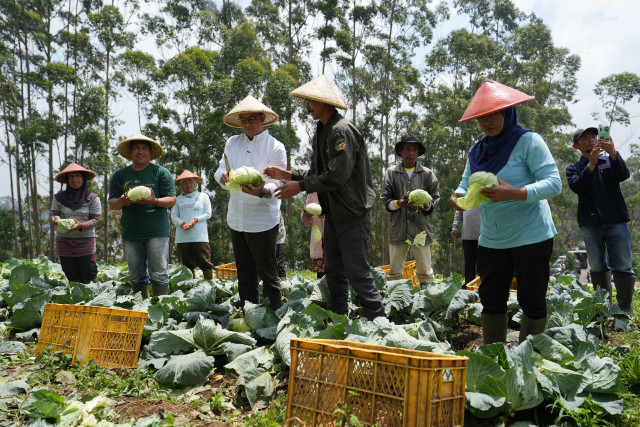
Indonesian Minister of Cooperatives, Ferry Juliantono, expressed his hope for major cooperatives like Indonesian Cooperative Pelabuhan to become the 'big brother' to smaller cooperatives known as Koperasi Desa/Klorahan Mira Buit (KDKMP). His statements were made in Surabaya, where he emphasized the importance of mutual support among cooperatives to boost the local economy.
In his speech, Juliantono pointed out that the development of KDKMP requires collaboration from various parties and sectors, including major cooperatives. He affirmed that large cooperatives possess the assets and expertise necessary to provide essential support to smaller cooperatives.
Event Details
The minister clarified that the assets of Indonesian Cooperative Pelabuhan have seen a significant increase, rising from 712 billion rupiah to 788 billion rupiah. Revenue also increased from 262 billion rupiah to 270 billion rupiah. The remaining profits rose from 19.4 billion rupiah to 20.3 billion rupiah, with membership increasing to 6040 members.
Juliantono noted that there are approximately 8949 KDKMP in East Java, indicating that there are 8494 sales points that require distribution centers in each province and city. He stressed that Indonesian Cooperative Pelabuhan could collaborate with state-owned enterprises and other business partners to become a distribution hub for products.
Background & Context
Cooperatives are a fundamental part of the Indonesian economy, playing a significant role in supporting local communities and promoting economic development. In recent years, Indonesia has witnessed remarkable growth in the number of cooperatives, reflecting the government's interest in strengthening this sector.
Historically, cooperatives have been seen as an effective means to improve living standards in rural communities by providing job opportunities and contributing to sustainable development. However, the challenges faced by smaller cooperatives necessitate greater support from larger cooperatives.
Impact & Consequences
Enhancing cooperation between large and small cooperatives can lead to improved economic performance and increased competitiveness. Large cooperatives, due to their resources and expertise, can offer technical and financial support to smaller cooperatives, contributing to their development and effectiveness.
This initiative could also help create a more sustainable work environment, where smaller cooperatives can benefit from the distribution networks and services provided by larger cooperatives. Consequently, this could lead to improved living standards in local communities and bolster the national economy.
Regional Significance
Indonesia's experience in fostering cooperation between large and small cooperatives could serve as a model for Arab countries. Many Arab nations face similar challenges in developing the cooperative sector and enhancing its role in the local economy.
Strengthening cooperation among cooperatives could contribute to achieving sustainable development in the Arab region, where cooperatives can play a crucial role in providing job opportunities and improving living standards.
In conclusion, this news highlights the importance of collaboration among various sectors in enhancing the local economy and underscores the vital role that cooperatives can play in achieving sustainable development.