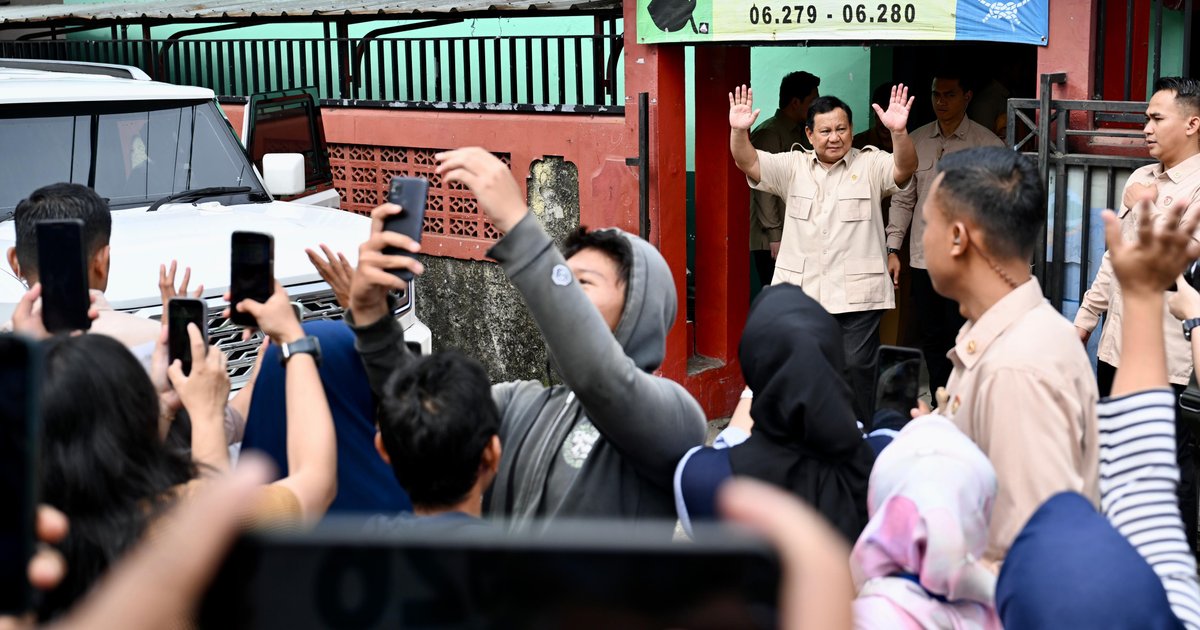
Indonesian President Joko Widodo has issued strict directives aimed at enhancing national nutrition services, specifically ordering the restructuring of Program Nutrisi Gratis (PNG) which provides free nutrition programs. This announcement was made during a government meeting held at the Presidential Palace in Jakarta, where he stressed the necessity of adhering to technical standards and operational procedures.
In statements made by Nanak, Deputy Head of National Nutrition Agency (Badan Gizi Nasional), it was confirmed that the president has ordered the closure of facilities that do not comply with the standards, noting that some of these facilities have caused medical emergencies due to poor service delivery.
Details of the Directive
Nanak clarified that the president expressed concern over certain facilities that unjustifiably inflate food prices, negatively impacting the quality of services provided. She confirmed that measures are underway to suspend or close facilities that do not follow the established standards.
The president also highlighted the importance of directing the free nutrition program towards the most needy populations, emphasizing that children from affluent families do not require this program, as their families can provide healthy food for them.
Background & Context
Indonesia is one of the countries facing significant challenges in the area of nutrition, with reports indicating that a large percentage of children suffer from malnutrition. The free nutrition program was launched as part of the government's efforts to improve nutritional status, but there is an urgent need to ensure that assistance reaches those who genuinely need it.
Historically, Indonesia has witnessed numerous government programs aimed at improving nutritional status, yet ongoing challenges necessitate more effective strategies and precise targeting of aid.
Impact & Consequences
The president's directives come at a critical time as officials strive to address issues of poverty and malnutrition. These measures are expected to contribute to enhancing the quality of services provided, potentially leading to improved health outcomes for children in the country.
Furthermore, these steps reflect the government's commitment to achieving sustainable development goals, particularly the second goal related to eradicating hunger and improving nutrition.
Regional Significance
Nutrition and public health issues are common challenges faced by many countries, including Arab nations. Arab countries can benefit from Indonesia's experience in improving nutrition programs, especially in light of the economic challenges they face.
Many Arab nations are striving to enhance food quality and provide support to the most vulnerable populations, making it essential to exchange successful experiences and practices.
In conclusion, the Indonesian president's directives underscore the importance of focusing on the most needy populations in food support programs, reflecting the government's commitment to improving the quality of life for its citizens.