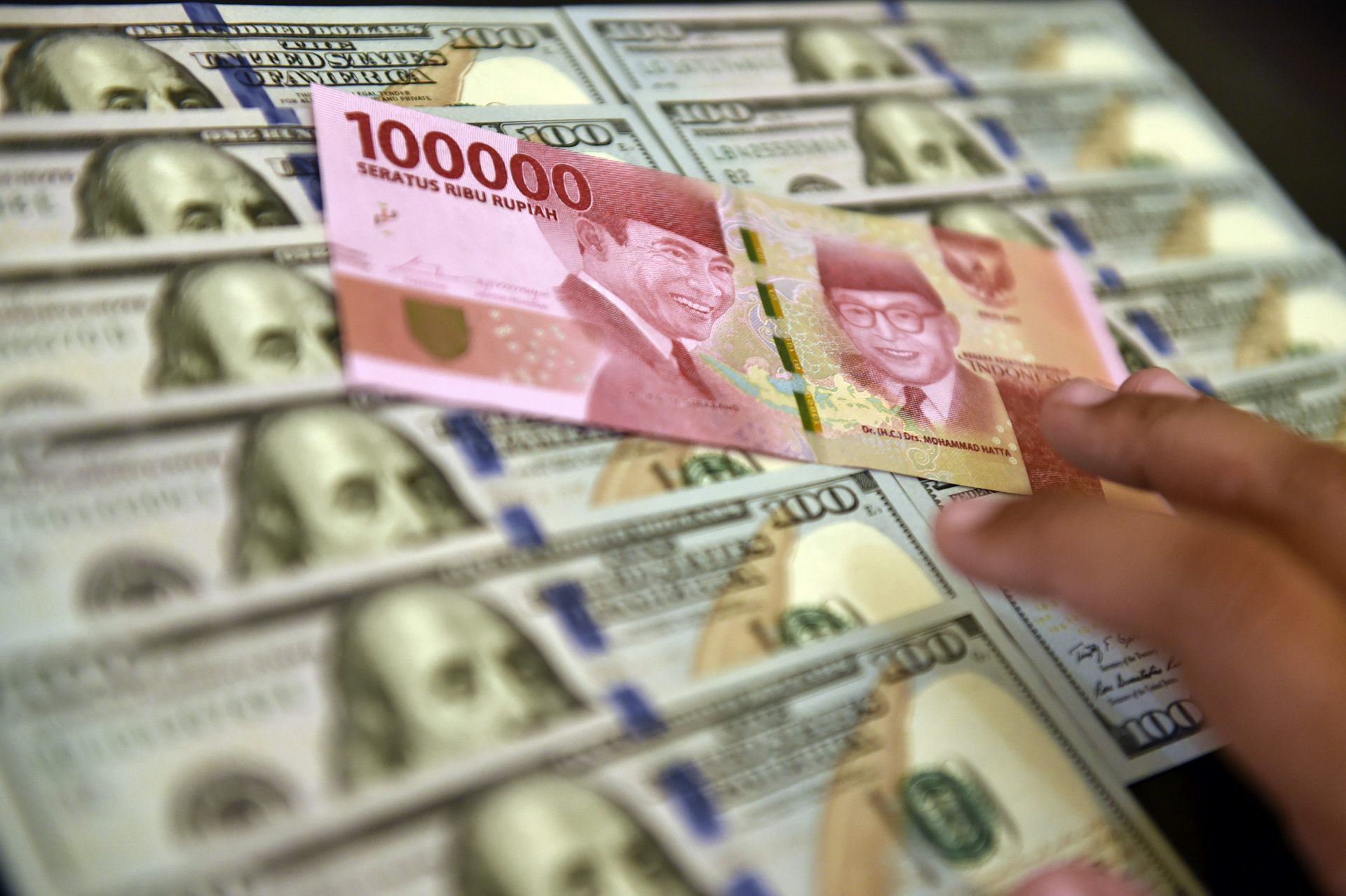
The Indonesian rupiah witnessed a notable rise at the end of trading on Wednesday, increasing by 93 points, or 0.54%, to reach 17,012 rupiah against the US dollar. This increase came after the United States announced its acceptance of a proposal for a temporary ceasefire with Iran, which helped boost confidence in Indonesian financial markets.
Josua Bardi, head of the economics department at Permata Bank, explained that this improvement in the exchange rate reflects the impact of the US announcement regarding a temporary halt to attacks against Iran for two weeks, contingent upon Iran reopening the Strait of Hormuz. This step is considered a positive sign amidst ongoing tensions in the region.
Details of the Event
In related news, reports indicate that the United States has agreed to a proposal consisting of ten points aimed at ending the ongoing conflict. The Iranian Supreme National Security Council confirmed that this proposal would serve as a framework for negotiations towards a comprehensive agreement, although details of all elements of the plan have not been disclosed.
Iranian media also reported that the proposal includes guarantees against aggression towards Iran, continued Iranian control over the Strait of Hormuz, and recognition of Tehran's right to enrich uranium, in addition to lifting all major and secondary US sanctions. The proposal also encompasses the termination of decisions issued by the United Nations Security Council and the International Atomic Energy Agency against Iran.
Background & Context
Historically, relations between the United States and Iran have seen increasing tensions since Washington's withdrawal from the nuclear agreement in 2018. Since then, the United States has imposed strict sanctions on Iran, significantly impacting its economy and exacerbating regional crises. However, this ceasefire may represent an opportunity to rebuild trust between the two parties, potentially contributing to regional stability.
The Strait of Hormuz is a vital strategic point, through which approximately 20% of the world's oil passes. Therefore, any changes in the security situation in this area directly affect oil prices and global markets.
Impact & Consequences
This ceasefire is expected to have positive effects on oil prices, as there was a notable decline in oil prices following the announcement, with West Texas Intermediate crude falling by more than 15% to below $100 per barrel. This decrease may help alleviate inflationary pressures on the global economy.
Additionally, the stability of the Indonesian rupiah could enhance investor confidence in the Indonesian market, potentially leading to an increase in foreign direct investment in the country. These developments may contribute to boosting economic growth in Indonesia, which seeks to achieve greater economic stability.
Regional Significance
Considering the potential impact of these events on the Arab region, any improvement in relations between the United States and Iran could affect regional balances. Arab countries that have ties with the United States may benefit from this stability, while other countries, such as those supporting Iran, may experience negative repercussions.
In conclusion, this development represents an opportunity to rethink regional and international policies, as the ceasefire could lead to improved relations between countries and a reduction in tensions in the region.