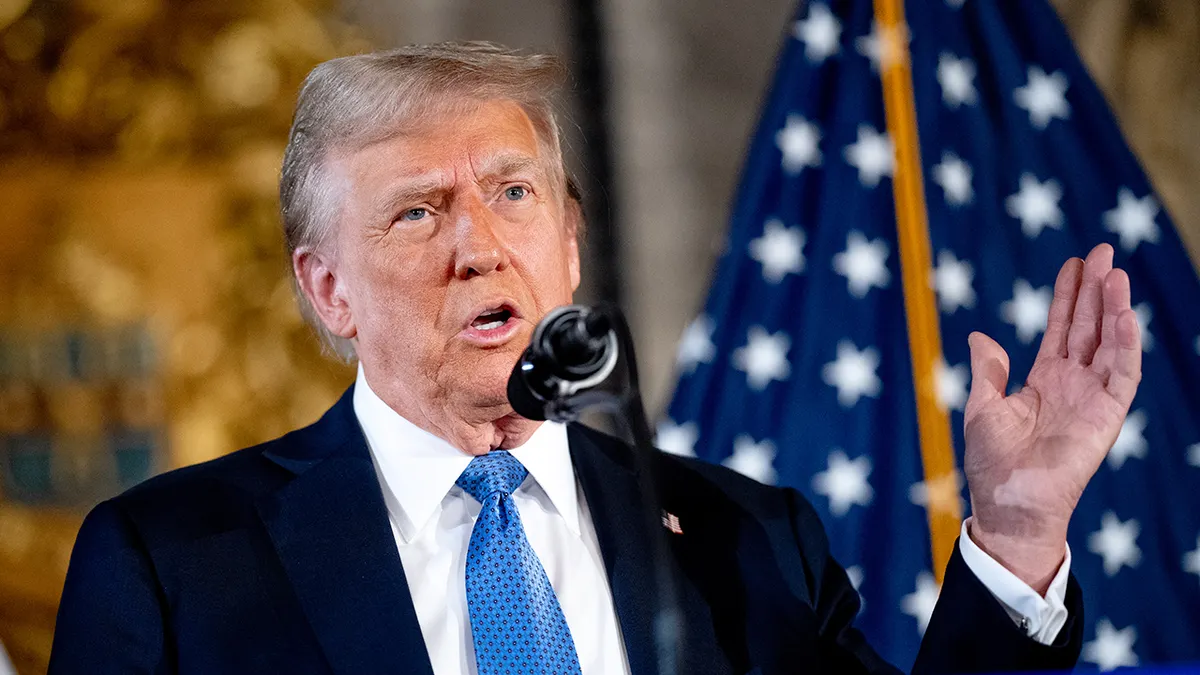
Attention is turning to the pivotal figures who play a role in guiding U.S. President Donald Trump's policies towards Iran, as fears grow over the possibility of military conflict in the region. As tensions escalate between Washington and Tehran, names of advisors and analysts emerge who directly influence strategic decisions.
Reports indicate that a group of figures, including the National Security Advisor and the Secretary of State, are responsible for formulating military and political plans against Iran. These individuals are not only known for their hardline stances but also for their close ties with pro-Israel lobbies in the United States.
Details of the Situation
Recently, hostile statements from the U.S. administration towards Iran have increased, raising concerns within the international community. Trump, who has long criticized the Iranian nuclear deal, appears to be moving towards escalating the situation. Reports suggest that some advisors are promoting the idea of using military force as a means of pressure on Tehran.
The proposed strategies include imposing stringent economic sanctions, alongside enhancing the U.S. military presence in the region. These steps come at a sensitive time, as Iran seeks to bolster its influence in the Middle East, complicating the security situation further.
Background & Context
Historically, U.S.-Iranian relations have seen increasing tensions since the Islamic Revolution in 1979. Since then, there have been several attempts at negotiation, but they have often failed. The nuclear agreement signed in 2015 was a turning point, but it collapsed after Trump's withdrawal in 2018.
Iran is now seeking to enhance its military capabilities, which raises alarms in Washington. Iranian movements in Iraq, Syria, and Lebanon are viewed as direct threats to U.S. and Israeli interests in the region, explaining the escalation in American rhetoric.
Impact & Consequences
If the U.S. administration decides to take military action against Iran, it could lead to significant escalation in the region. Military intervention could drag the United States into a prolonged conflict, impacting the stability of the Middle East as a whole.
Potential consequences include increased attacks on U.S. forces in the region, as well as violent reactions from Iran's allies. Additionally, any escalation could affect global oil prices, which may reflect on the global economy.
Regional Significance
Arab countries are directly affected by any escalation between the United States and Iran. Gulf states, in particular, may find themselves in a precarious position, as any conflict could destabilize them. The dispute could also reshape alliances in the region, creating an unstable environment.
In conclusion, the question remains about how the U.S. administration will handle the Iranian challenges. As pressures mount, the available options may lead to unforeseen consequences on both regional and international levels.