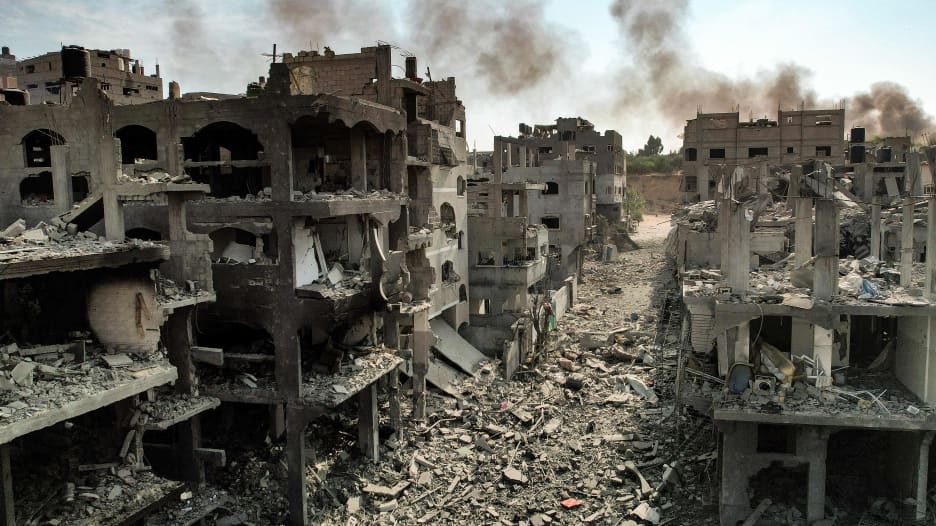
The Iranian attacks on the Israeli cities of Arad and Dibona mark a significant escalation in the ongoing conflict in the region, resulting in at least 59 injuries, including six in critical condition, due to missile strikes that hit residential areas in southern Israel and the country's nuclear research capabilities. The attacks, which occurred on Saturday evening, caused widespread destruction and instilled fear among residents, prompting the Israeli government to implement additional security measures.
These events coincide with the unstable conditions the region is experiencing, where military and security conflicts occur daily, complicating the situation further. Netanyahu commented on the attacks, indicating his government's determination to 'continue the pressure' on Iran, considering that these strikes are part of Iran's attempts to expand its influence in the region.
The historical context of these events reflects the deterioration in relations between Israel and Iran over the past years, with tensions significantly increasing due to military activities conducted by Tehran in the region, including its support for armed groups in Iraq and Syria.
The recent Iranian attacks also suggest a possible shift in Tehran's strategies, which seeks to exert pressure on Israel and achieve its political objectives through direct military operations. Conversely, Israel had launched several military operations against Iranian activities in Syria, eliciting increasing Iranian reactions, indicating heightened concerns on both sides about military escalation.
The repercussions of these attacks could open doors to further military slips, complicating regional security. While Israel emphasizes the need to protect its citizens and thwart any attacks, Iran may find in this escalation justification to continue its expansionist strategies.
Furthermore, the regional scene reflects new interactions that could impact Arab-Israeli relations. The looming war between the two sides may carry new dimensions of concern for neighboring Arab countries, raising questions about security in the Middle East more broadly. Will Arab nations respond to increasing Iranian threats?
As the world appears to focus on new diplomatic opportunities to alleviate tensions, this escalation underscores that peace remains elusive in a region fraught with risks.
Thus, it can be said that the current events will remix the cards in a troubled region and may lead to new alliances or a reevaluation of the policies set in the area. The tense situation in Iran and its increasing conflicts with other countries suggest that disagreements will not be resolved easily, making it a continuous source of tension on the international stage.