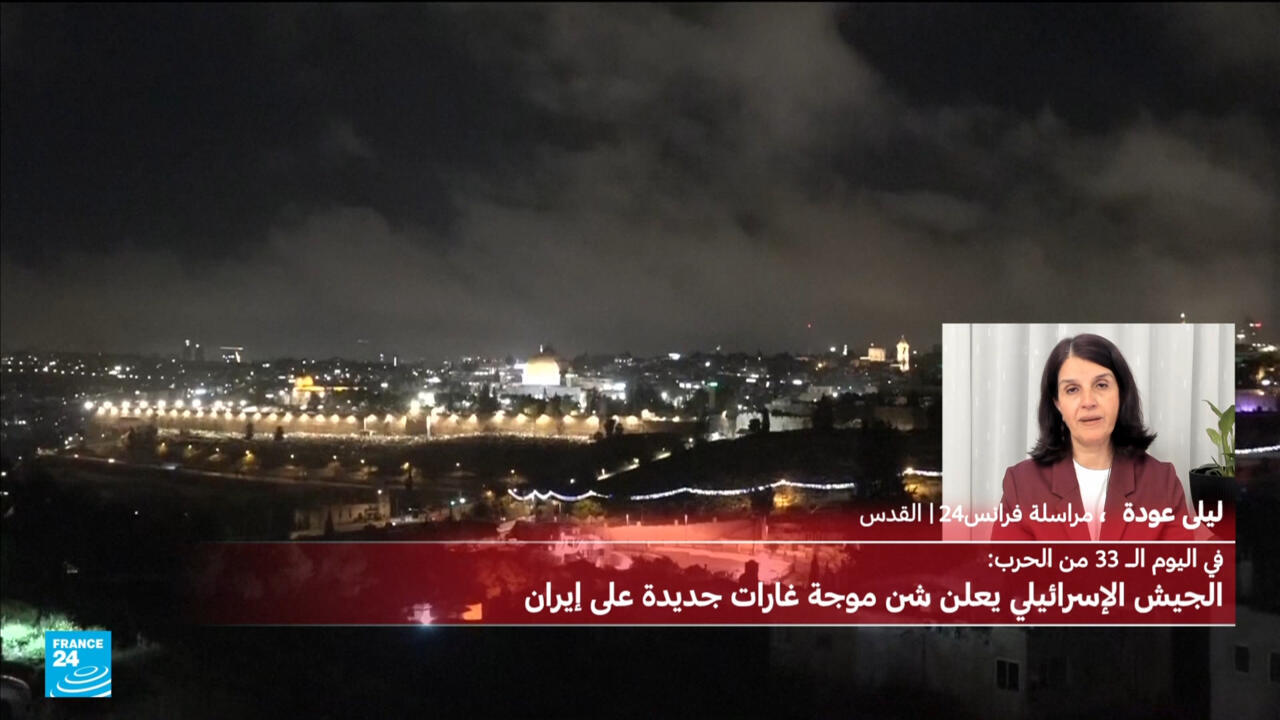
Israeli emergency teams announced on Wednesday that 14 individuals, including an 11-year-old girl, were injured, with some in critical condition, as a result of a missile attack from Iran. The Israeli Red Cross stated in a press release that its medical teams provided necessary treatment and transported the injured to hospitals.
Among the injured, eight individuals were taken to Sheba Hospital in Tel Aviv, where medical staff reported that one child's condition is extremely critical, while six other children are suffering from varying degrees of injuries. This attack comes at a sensitive time, as regional tensions between Iran and Israel escalate.
Details of the Incident
The missile attack that occurred on Wednesday is part of an ongoing escalation in the conflict between Iran and Israel, with both countries exchanging accusations of inciting violence. This incident is one of the latest developments in a series of reciprocal attacks that have been witnessed in the region in recent months.
These attacks come amid rising military tensions, as Iran seeks to bolster its influence in the region, while Israel continues to carry out military operations against what it perceives as threats from Iran-backed groups.
Background & Context
The history of the conflict between Iran and Israel is long and complex, dating back decades. Iran has long supported groups such as Hezbollah in Lebanon and Hamas in Gaza, which exacerbates tensions with Israel. In recent years, Israel has increased its military operations against Iranian sites in Syria, leading to reactions from Tehran.
These attacks are part of a broader strategy aimed at undermining Iranian influence in the Middle East, as Israel seeks to protect its national security from increasing threats. The military escalation between the two sides also reflects the wider geopolitical tensions in the region.
Impact & Consequences
The recent attack could lead to further escalation in the conflict, with Israel likely to respond to the attack with additional military operations. This escalation could threaten stability in the region and increase the suffering of civilians living in conflict zones.
Moreover, the military escalation may impact international relations, as major powers seek to mediate the conflict. This situation could lead to increased pressure on the international community to intervene and contain tensions before they worsen.
Regional Significance
The recent events in Israel and Iran have significant implications for security and stability in the Arab region. Tensions between Iran and Israel could lead to escalated conflicts in neighboring countries such as Iraq, Syria, and Lebanon, threatening the stability of these nations.
The rise in violence may also affect peace efforts in the region, as many Arab countries seek to improve their relations with Israel. Under these circumstances, Arab nations may find themselves in a difficult position, needing to balance their national interests with regional pressures.
In conclusion, events in the region remain volatile, and the international community must closely monitor developments, as any further escalation could have severe consequences for regional and international security.