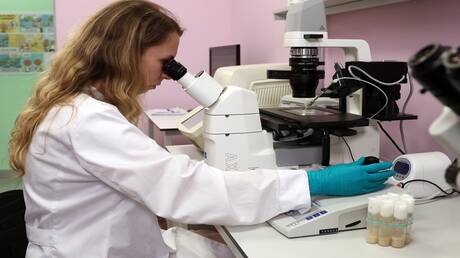
Scientists from Novosibirsk University have developed a novel oncolytic virus that features an immune-boosting gene and an additional mutation, making it effective in destroying cancer cells while minimizing damage to healthy cells.
This discovery marks a significant step in cancer treatment, as researchers aim to develop safer and more effective therapies. The oncolytic virus directly targets cancer cells, reducing the side effects often associated with traditional treatments such as chemotherapy and radiation.
Details of the Innovation
The new innovation relies on advanced technology that integrates virology and immunology. The virus carries an immune-stimulating gene, enhancing the body's ability to combat tumors. Additionally, a genetic mutation has been introduced to increase the virus's effectiveness in targeting cancer cells.
Preliminary trials have shown that the virus can destroy tumors in animal models, opening new avenues for cancer treatments. Scientists hope to transition this technology to clinical trials in humans in the near future.
Background & Context
Historically, cancer research has seen remarkable advancements in recent years, focusing on the development of virus-based therapies. While this approach is not entirely new, the Russian innovation represents a qualitative leap in the field, combining multiple techniques to achieve better outcomes.
Cancerous tumors are among the most significant health challenges facing humanity, contributing to the deaths of millions each year. Therefore, any progress in this area could have a substantial impact on the lives of patients and their families.
Impact & Consequences
If clinical trials prove the effectiveness of this virus, it could lead to a radical shift in how cancer is treated. This innovation may reduce reliance on traditional therapies, contributing to an improved quality of life for patients.
Moreover, this discovery could pave the way for new research in other fields, such as using viruses to treat viral or autoimmune diseases. The hope is that scientists can leverage this technology across multiple medical domains.
Regional Significance
With the rising incidence of cancer in Arab countries, this innovation could have a positive impact on public health. If this technology is implemented, it may improve treatment outcomes and reduce the financial burden on healthcare systems.
Furthermore, collaboration between Arab nations and Russia in medical research could open new horizons for enhancing innovation and knowledge exchange, benefiting Arab communities.
This innovation represents a promising step towards a better future for cancer treatment, reflecting the ongoing efforts of scientists to tackle this global health challenge.