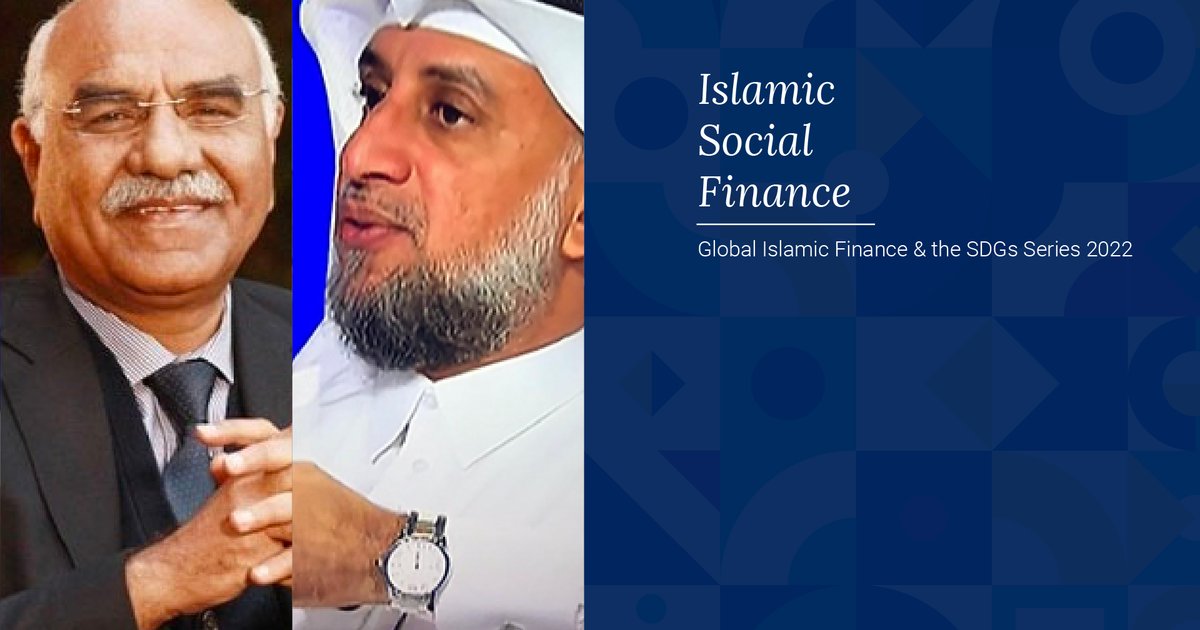
The future of Islamic finance is closely linked to the integration of modern technology with sustainability principles. This integration enhances the sector's ability to address economic and social challenges while contributing to sustainable development goals.
In recent years, the Islamic finance industry has undergone radical transformations due to rapid technological advancements. Reports have shown that the use of financial technology (FinTech) in this sector can bring about a fundamental change in how financial services are delivered, making them more efficient and transparent.
Event Details
Many Islamic financial institutions are moving towards adopting technologies such as artificial intelligence, blockchain, and big data analytics to improve their services. These technologies not only help enhance operational efficiency but also promote transparency and reduce risks associated with financial transactions.
Moreover, integrating sustainability principles into Islamic finance is considered a strategic step. It can contribute to supporting projects that focus on environmental protection and promoting sustainable development, thereby enhancing the reputation of Islamic finance as a socially responsible choice.
Background & Context
Islamic finance is founded on a set of principles that prohibit usury and encourage investment in projects that yield social benefits. With the growing global awareness of the importance of sustainability, it has become essential for this sector to adopt strategies that align with these trends.
Historically, Islamic finance has faced several challenges, including a lack of innovation and technology. However, with the emergence of FinTech startups, the sector has begun to regain its vitality and offer innovative solutions that meet market needs.
Impact & Consequences
The integration of technology into Islamic finance can have a positive impact on the economy as a whole. It can help attract foreign investments and enhance the ability of financial institutions to provide their services more effectively.
This integration also strengthens Islamic finance's ability to compete with traditional financial systems, helping to expand the customer base and increase awareness of the benefits of Islamic finance.
Regional Significance
In the Arab region, Islamic finance is one of the fastest-growing sectors. With the increasing interest in financial technology, this trend can contribute to enhancing economic stability and achieving sustainable development.
Studies show that there are significant opportunities for investment in sustainable projects, which enhances the ability of Arab countries to achieve their developmental goals. Additionally, this trend fosters cooperation among Arab countries in the fields of innovation and sustainability.
In conclusion, the integration of technology and sustainability in Islamic finance is a strategic step that enhances the sector's ability to face future challenges. This requires collaboration among financial institutions, governments, and civil society to achieve common goals.