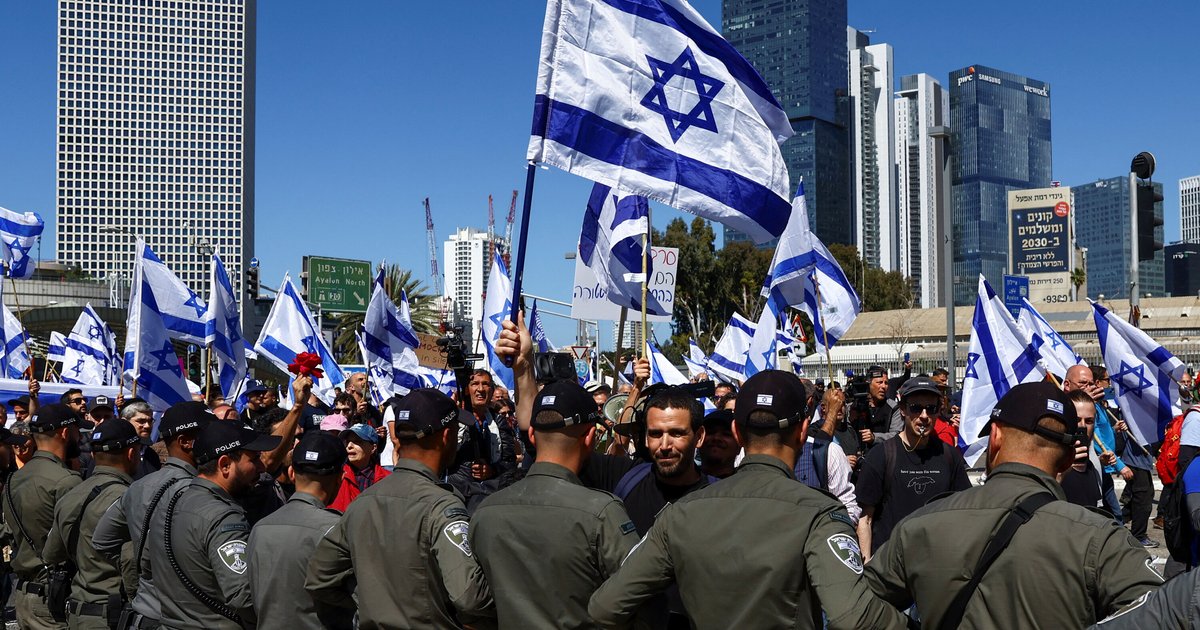
Israel experienced intense protests yesterday from the Haredi community, as demonstrators stormed the courtyard of the military police chief's home in Tel Aviv. These events unfold amid escalating tensions surrounding the mandatory conscription law affecting Haredi youth, which many view as a threat to their religious and social lifestyle.
Hundreds of protesters gathered outside the military police chief's residence, chanting slogans that expressed their rejection of the conscription law. The protests prompted police intervention, which attempted to disperse the demonstrators, leading to confrontations between the two sides.
Details of the Event
These protests occur at a critical juncture for Israel, where there is increasing pressure on the government to enforce conscription laws across all segments of society, including Haredi youth. The protests are seen as a manifestation of growing concern within the Haredi community regarding the potential loss of their cultural and religious identity.
Protesters employed various tactics to express their dissent, including blocking streets and setting tires on fire. Several demonstrators were arrested during the confrontations with police, further heightening tensions in the area.
Background & Context
The roots of these protests trace back many years of tension between the Israeli government and the Haredi community, which clings to its traditions and values. The mandatory conscription law introduced in recent years has sparked widespread controversy, as many consider it a violation of their religious rights.
In past years, there have been multiple attempts to amend conscription laws to include Haredi youth, but these efforts have often been met with rejection from the Haredi community, which prefers to adhere to its religious traditions.
Impact & Consequences
These protests signal a rise in tensions within Israeli society and may exacerbate divisions among different groups. Additionally, these events could affect the Israeli government's image both domestically and internationally, as it is viewed as unable to manage the cultural and religious diversity within the country.
The protests may lead to changes in government policies regarding conscription, as the government might be compelled to reconsider its strategies for engaging with the Haredi community. Furthermore, these events could pave the way for more dialogue between the government and the Haredi community regarding conscription issues and religious rights.
Regional Significance
The repercussions of these protests extend beyond Israeli borders, reflecting the challenges faced by diverse communities in the region. These events may impact relations between Israel and Arab countries, especially amid ongoing tensions regarding minority rights.
Moreover, these protests could inspire other communities in the region to voice their demands and rights, increasing the importance of dialogue on human rights and religious freedom in the Arab world.