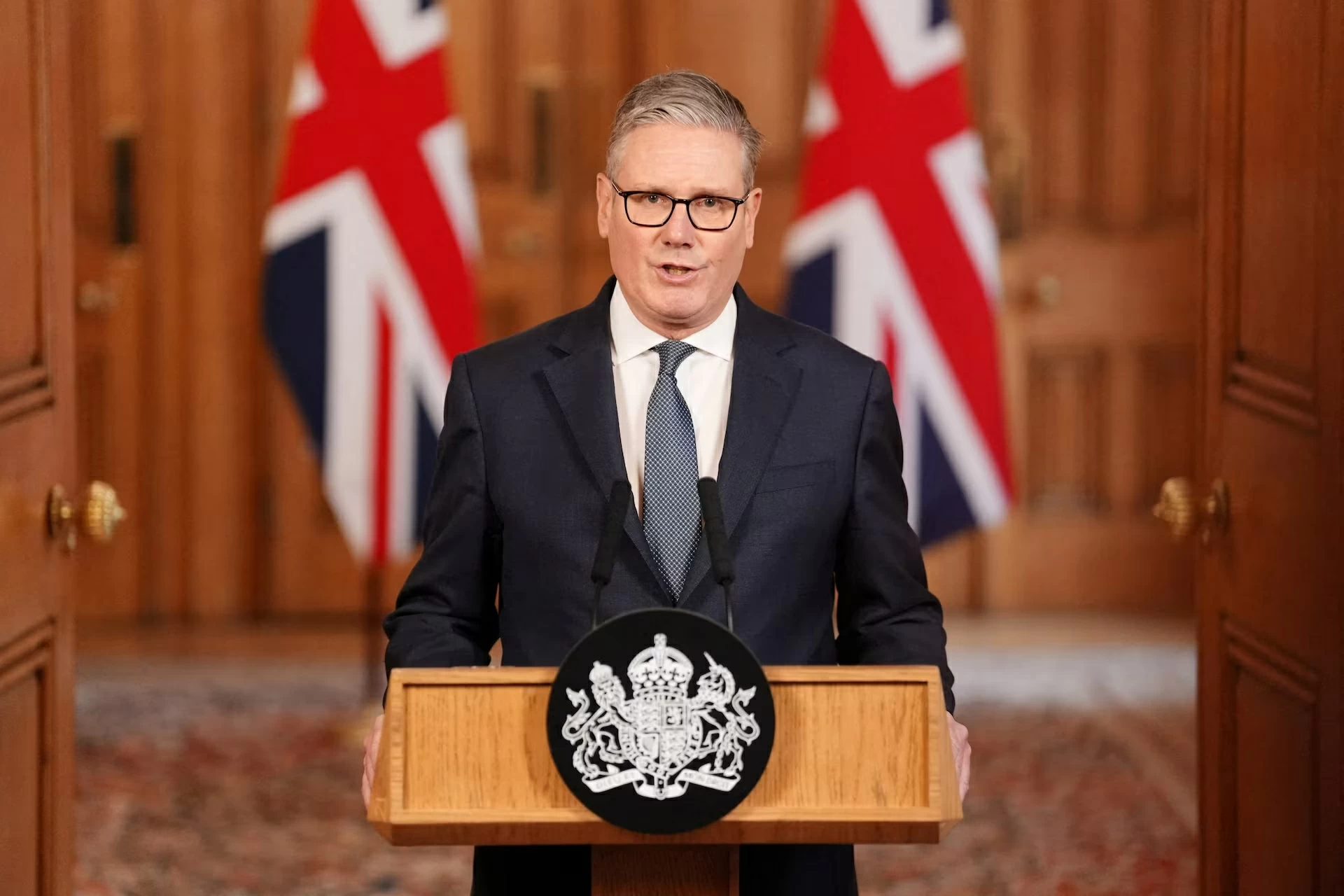
British Prime Minister Keir Starmer announced today (Wednesday) that the UK will host a meeting involving 35 countries later this week as part of efforts to alleviate the crisis in the Strait of Hormuz. The meeting aims to evaluate possible diplomatic and political measures to restore freedom of navigation and ensure the safety of ships and sailors, in addition to resuming the movement of essential goods.
In a statement during a press conference at government headquarters, Starmer emphasized that the meeting will be followed by a gathering of military planners to discuss how to enhance security capabilities in the strait, noting that it will not be an easy task. He explained that he has spoken with prominent leaders in the shipping, finance, insurance, and energy supply sectors, who stressed the importance of ensuring safe passage through this vital maritime corridor.
Details of the Event
Discussions during the meeting will focus on the current challenges facing navigation in the Strait of Hormuz, which is considered one of the most important maritime passages in the world. This meeting comes at a time when tensions in the region are rising, affecting global trade movements.
Starmer also pointed out that Britain's national interest requires closer partnerships with its allies in Europe, and that a new summit with EU partners will be announced in the coming weeks. He confirmed that London seeks to enhance economic cooperation and partnerships that reflect shared values and interests.
Background & Context
Historically, the Strait of Hormuz is a vital point for transporting oil and natural gas, with approximately 20% of the world's total oil passing through it. In recent years, the strait has witnessed an escalation in military tensions, impacting navigation and leading to rising oil prices.
These efforts coincide with increasing international concern regarding crises in the Middle East, as major powers seek to ensure stability in the region and protect their economic interests. Many countries have expressed their willingness to participate in these discussions amid growing challenges.
Impact & Consequences
Political circles expect the meeting to result in tangible steps aimed at enhancing security in the Strait of Hormuz, which could help restore confidence in navigation. At the same time, these efforts may improve relations among participating countries and strengthen cooperation in addressing shared challenges.
On the other hand, the outcomes of the meeting may impact global oil prices, as any positive developments could lead to price stabilization, while ongoing tensions might drive prices higher.
Regional Significance
The situation in the Strait of Hormuz represents a sensitive issue for Arab countries, many of which rely on oil exports through this corridor. Therefore, any improvement in the security situation could positively reflect on Arab economies and enhance regional stability.
In conclusion, hopes are pinned on the outcomes of the upcoming meeting, as restoring freedom of navigation in the Strait of Hormuz is a crucial step towards achieving stability in the region and ensuring the flow of essential goods.