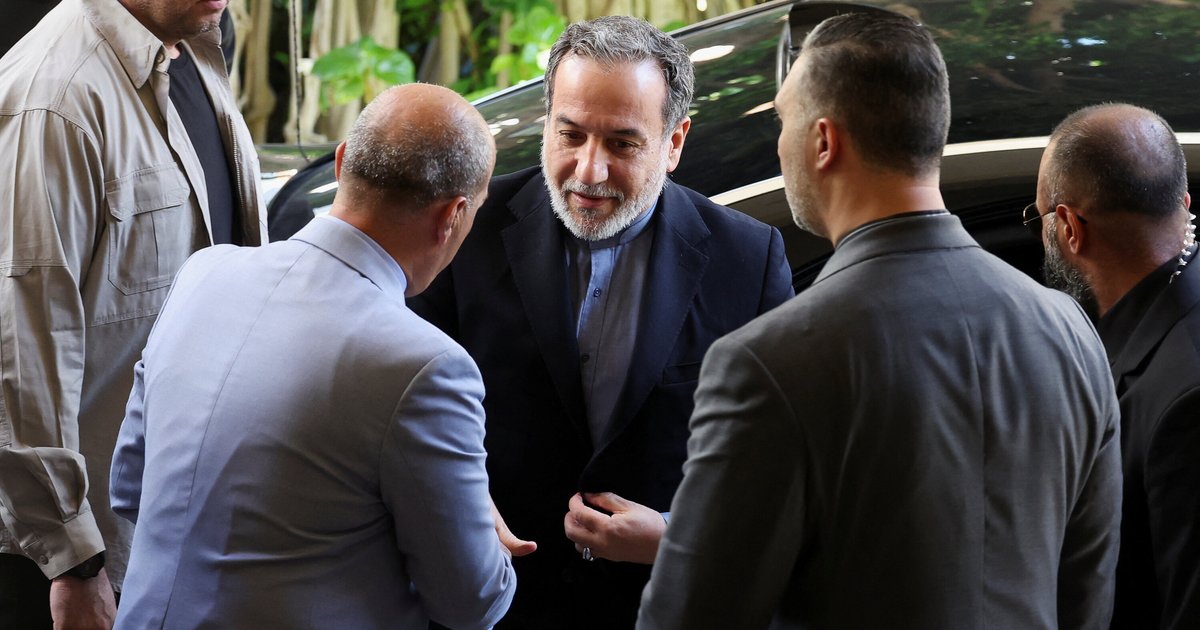
International efforts continue to establish a temporary ceasefire between the United States and Iran, with reports indicating that these negotiations may involve several key players in the region. The primary goal of these discussions is to reduce the escalating tensions that have characterized the relationship between Washington and Tehran recently, which have led to mutual military escalations.
These developments come at a time when the region is experiencing multiple crises, placing pressure on the involved parties to seek diplomatic solutions. Some countries have expressed their willingness to mediate in these negotiations, reflecting the significance of the issue on the international stage.
Details of the Negotiations
The proposed negotiations encompass several aspects, including discussions on security and economic issues affecting US-Iran relations. It is also expected that the talks will address matters related to the Iranian nuclear program, which remains a central point of contention between the two sides. Some European nations have shown interest in participating in these negotiations, highlighting the importance of international cooperation in resolving this crisis.
In this context, information suggests that there are active diplomatic moves by certain Arab nations aiming to play a role in these negotiations. These countries hope that their efforts will lead to greater stability in the region, especially amid ongoing crises in countries like Iraq and Syria.
Background & Context
The roots of tensions between the United States and Iran stretch back several decades, with relations notably escalating since Washington's withdrawal from the Iranian nuclear deal in 2018. Since then, the United States has imposed strict economic sanctions on Iran, significantly impacting the Iranian economy and exacerbating humanitarian crises.
Recent events, such as attacks on oil facilities in the Gulf, have further intensified tensions, making the need for a temporary ceasefire more urgent. These circumstances render the current negotiations a vital opportunity to seek peaceful solutions.
Impact & Consequences
If a temporary ceasefire is reached between the United States and Iran, it could have positive repercussions at both regional and international levels. It is anticipated that this would ease military tensions, potentially contributing to the stability of oil markets and global financial systems.
Moreover, this ceasefire could pave the way for broader dialogue among the involved nations, potentially improving relations between Iran and the Gulf Arab states. Such developments could positively influence peace efforts in the region and enhance opportunities for regional cooperation.
Regional Significance
The Arab nations neighboring Iran and the United States are among the most affected by the tensions between the two powers. Therefore, achieving a ceasefire could help alleviate security and economic pressures on these countries. Additionally, stabilizing relations between the United States and Iran may open avenues for enhancing Arab cooperation across various fields.
In conclusion, the ongoing negotiations between the United States and Iran remain a focal point for the world, with many countries hoping that these efforts will lead to peace and stability in a region plagued by multiple crises.