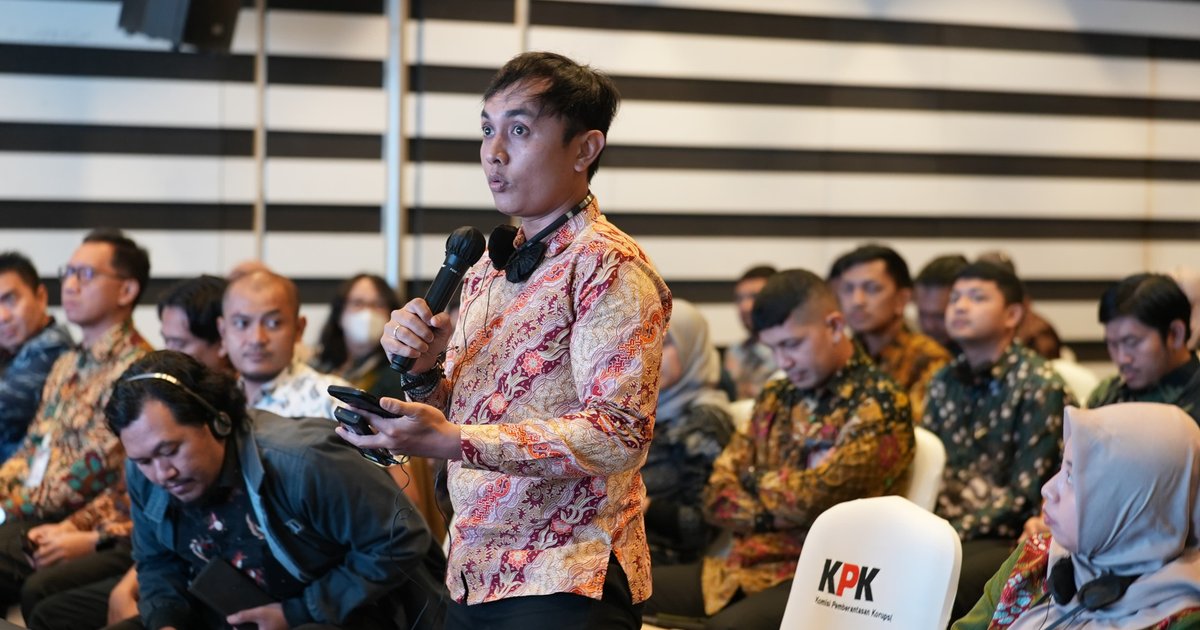
The Indonesian Corruption Eradication Commission (KPK) has unveiled investigations indicating that the Hajj institution PT Makassar Toraja, known as Makator, made illicit profits of up to 27.8 trillion Indonesian rupiah in 2024 through corruption related to Hajj shares. The KPK's Deputy Chairman, Asep Guntur Rahayu, reported during a press conference at the commission's headquarters in Jakarta that these profits resulted from complex corruption operations involving bribery payments to several officials in the Ministry of Religious Affairs.
Rahayu explained that these profits represent part of the financial losses incurred by the state, which were identified through auditor reports. It was revealed that Ismail Adham, the executive director of Makator, played a significant role in these operations, transferring funds amounting to 35,000 USD and 16,000 SAR to several officials, including Ishfah Ubaid Al-Aziz, who served as a personal employee to the former Minister of Religious Affairs Yaqut Sholil Qoumas.
Details of the Investigation
On August 9, 2025, the KPK began investigating a corruption case related to the Hajj shares for the years 2023-2024. On January 9, 2026, the commission announced charges against Yaqut Sholil Qoumas, the former Minister of Religious Affairs, and Ishfah Ubaid Al-Aziz, as the main defendants in this case. However, charges were not brought against Fouad Hassan Mashhoor, the owner of Makator, although he was temporarily banned from leaving the country.
On February 27, 2026, the KPK announced that it had received a report from the Financial Audit Bank regarding the financial losses resulting from the Hajj shares case, estimated at approximately 622 billion Indonesian rupiah. On March 12, 2026, Yaqut Sholil was arrested at the KPK detention center, while Ishfah Ubaid Al-Aziz was arrested on March 17.
Background & Context
The Hajj shares corruption case in Indonesia is considered one of the largest scandals the country has witnessed in recent years. Indonesia, being the largest Muslim-majority country by population, regards Hajj as one of the most important religious rituals. However, rampant corruption in the Hajj system has significantly affected citizens' ability to perform this duty, causing widespread discontent in society.
Historically, Indonesia has experienced numerous corruption cases across various sectors, leading to a loss of trust in government institutions. These issues have reinforced the role of the KPK as a key anti-corruption entity, striving to restore public confidence by holding corrupt officials accountable.
Impact & Consequences
This case serves as a wake-up call for the Indonesian government, highlighting the urgent need for comprehensive reforms in the Hajj system. With increasing complaints from citizens about corruption, the government must take effective steps to ensure transparency and integrity in Hajj management. Additionally, this case could impact Indonesia's reputation in the Islamic world, where it is viewed as a leading country in providing Hajj services.
Moreover, ongoing investigations may lead to changes in laws and policies related to Hajj, contributing to an overall improvement of the system. Enhancing transparency in Hajj management could restore trust between the government and citizens, thereby contributing to social and political stability in the country.
Regional Significance
The Hajj shares corruption case in Indonesia has implications that extend beyond its borders, raising questions about how religious rituals are managed in other Islamic countries. With the increasing number of pilgrims from Arab countries to Indonesia, any corruption scandal could influence pilgrims' decisions regarding the destinations they choose to perform their rituals.
Ultimately, it requires Islamic countries to cooperate in combating corruption in Hajj management, enhancing transparency and integrity to ensure that all Muslims can perform the Hajj without obstacles or fears of corruption.