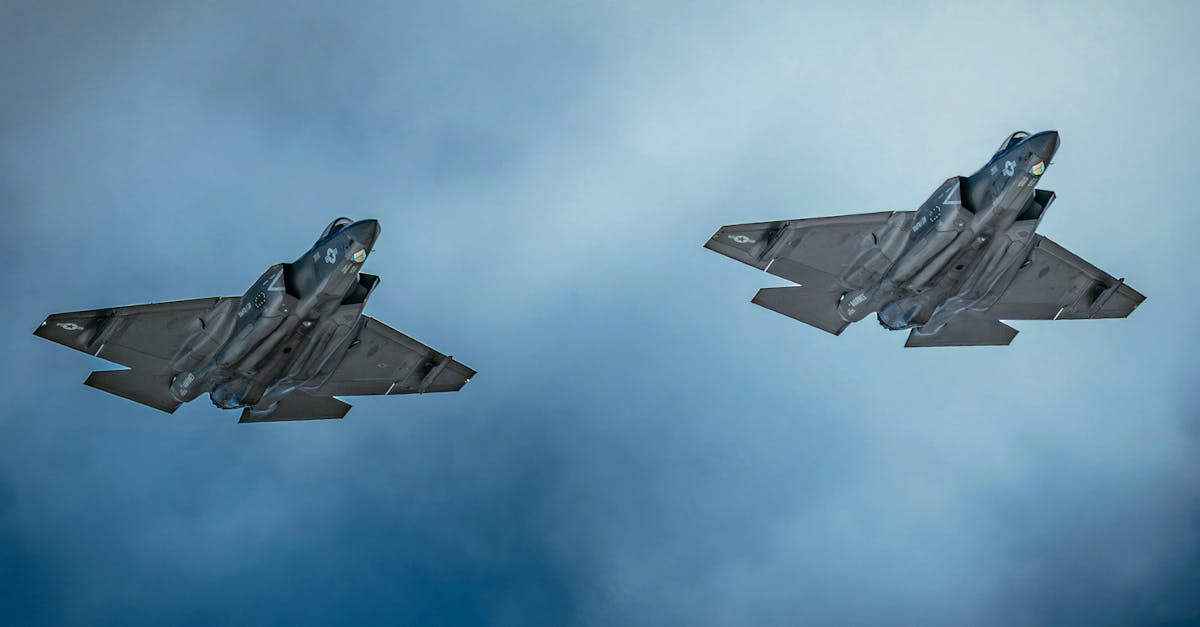
In a serious development that threatens to escalate the ongoing conflict, Iran has accused the United States of preparing for a ground operation against it, indicating that it will respond firmly to any aggression. This statement comes as diplomatic efforts, including Pakistani mediation, continue to seek an end to the war that has entered its second month.
The Iranian Revolutionary Guard has announced attacks on industrial facilities in Bahrain and the UAE, further increasing tensions in the region. These statements reflect growing concerns over the escalation of hostilities between Tehran and Washington, at a time when the parties involved are seeking peaceful solutions to the conflict.
Details of the Allegations
The Iranian accusations come at a sensitive time, as international calls to end the conflict, which has resulted in significant human and material losses, have increased. The Iranian Revolutionary Guard, considered one of the military arms of the Iranian regime, stated in a press release that it would not hesitate to respond to any potential American attack, indicating that any ground operation would be met with a strong and direct response.
In contrast, the United States has not issued any official comment on these allegations, but American military sources have confirmed that U.S. forces in the region are prepared for any developments. This comes as fears of a military escalation that could lead to a broader conflict in the region are on the rise.
Background & Context
Historically, Iranian-American relations have seen increasing tensions since the Iranian Revolution in 1979. These tensions escalated after the United States withdrew from the Iranian nuclear deal in 2018, leading to harsh economic sanctions on Iran. Since then, Tehran has taken escalating steps in its nuclear program, raising concerns in the international community.
In recent years, the region has witnessed an increase in armed conflicts, including the wars in Syria and Yemen, where Iran supports armed groups that the United States considers a threat to regional security. These dynamics complicate the achievement of peace and stability in the region, where regional and international interests intertwine in complex ways.
Impact & Consequences
If the scenario described by Iran materializes, it could lead to unprecedented military escalation in the region, threatening both regional and global security. Military escalation could affect oil prices and increase instability in financial markets, negatively impacting the global economy.
Moreover, any potential American attack could provoke strong reactions from Iran's allies in the region, further complicating the security situation. These dynamics could lead to escalations in other conflict zones, such as Iraq and Syria, where both American and Iranian forces are present.
Regional Significance
These developments directly impact Arab countries, especially those sharing borders with Iran or affected by regional conflicts. Military escalation could lead to a flow of refugees and increased sectarian tensions, threatening stability in countries like Iraq and Lebanon.
Additionally, Arab countries that rely on oil may be adversely affected by any escalation, as disruptions could lead to rising oil prices, impacting their economies. Under these circumstances, the need for dialogue and mediation remains critical, as the international community seeks to avoid any escalation that could lead to a comprehensive conflict.
In light of these tense conditions, hope remains pinned on diplomatic mediation efforts, as the parties involved strive to find peaceful solutions to the conflict. However, with mutual accusations continuing, the question remains: Will these efforts succeed in avoiding military escalation?