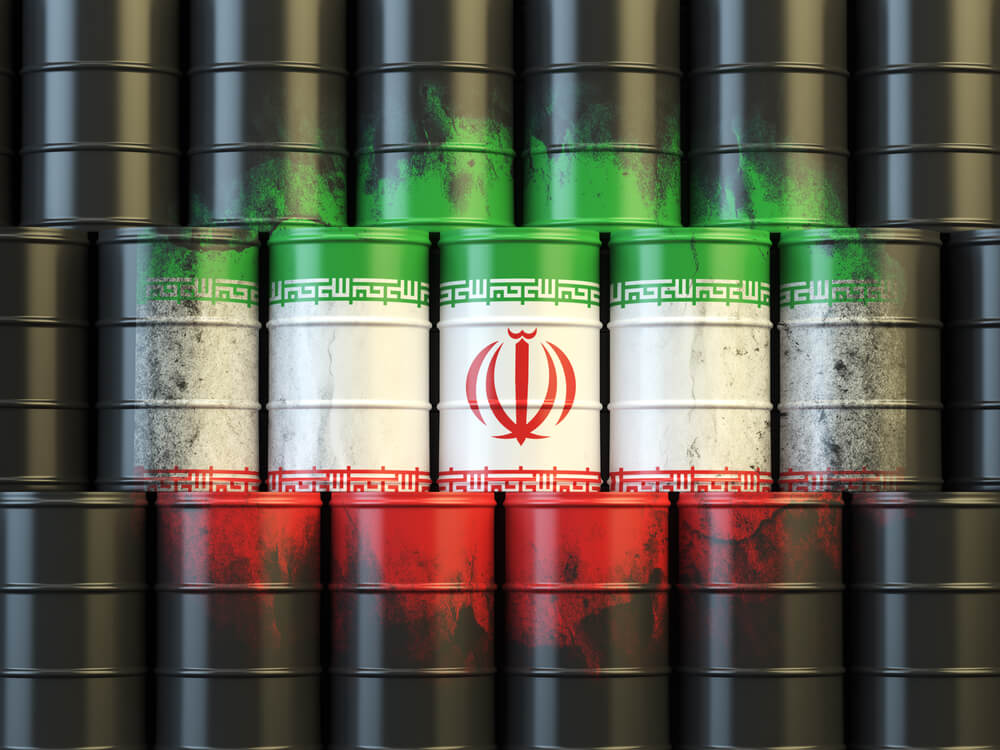
Iran is adapting its oil storage strategies to cope with the pressures from US sanctions, as its tanks have filled up due to declining exports. According to reports from the "Wall Street Journal," Tehran has resorted to using dilapidated containers and storage facilities in its oil centers, particularly in Ahvaz and Asaluyeh, to accommodate the surplus of crude oil.
In this context, the spokesperson for the Iranian Oil Exporters Union confirmed that Tehran is seeking new options for oil export, including the use of railways to transport crude to China. Although this option is considered less efficient and profitable compared to maritime transport, it represents an attempt to overcome the imposed restrictions.
Details of the Situation
Pressure is mounting on the Iranian energy sector, as data from the "Tanker Trackers" platform indicated that Iran loaded approximately 4.6 million barrels of oil, while an additional 4 million barrels managed to bypass US sanctions. The data also revealed that shipments worth $1.05 billion returned to Iran after being intercepted by the US Navy, while the United States seized other shipments valued at around $380 million.
Despite these challenges, Reuters reported that around 10.7 million barrels of Iranian oil passed through the Strait of Hormuz between April 13 and 21, using tankers that had turned off their tracking systems. The company recorded 35 crossings of vessels linked to Iran during the same period, reflecting continued maritime activity despite the imposed restrictions.
Background & Context
The history of US sanctions on Iran dates back several years, as the United States imposed strict sanctions on Iranian oil exports following its withdrawal from the nuclear deal in 2018. These sanctions led to a significant decline in oil revenues, adversely affecting the Iranian economy.
Iran is considered one of the largest oil producers in the world and heavily relies on oil revenues to finance its budget. However, the US sanctions have made it difficult for Iran to export its oil, prompting it to seek alternative solutions.
Impact & Consequences
These developments significantly impact the Iranian economy, as the export rate has noticeably declined. Estimates suggest that the US sanctions could exacerbate the economic and social conditions in the country, increasing pressure on the Iranian government.
Moreover, these conditions may affect global oil markets, as Iran is a key player in the market. Any changes in its production or exports could lead to fluctuations in global prices.
Regional Significance
The situation in Iran has a direct impact on security and stability in the Arab region. Any escalation in tensions between Iran and the United States could have repercussions for the Gulf countries, which depend on stable oil prices.
Additionally, Iran's moves to export oil via railways may raise concerns among some Arab countries, which fear an enhancement of Iran's influence in the region.
In conclusion, the situation in Iran remains under observation as the government seeks solutions to address the economic challenges arising from US sanctions. These developments could significantly affect Iran's future and its role in the global oil market.