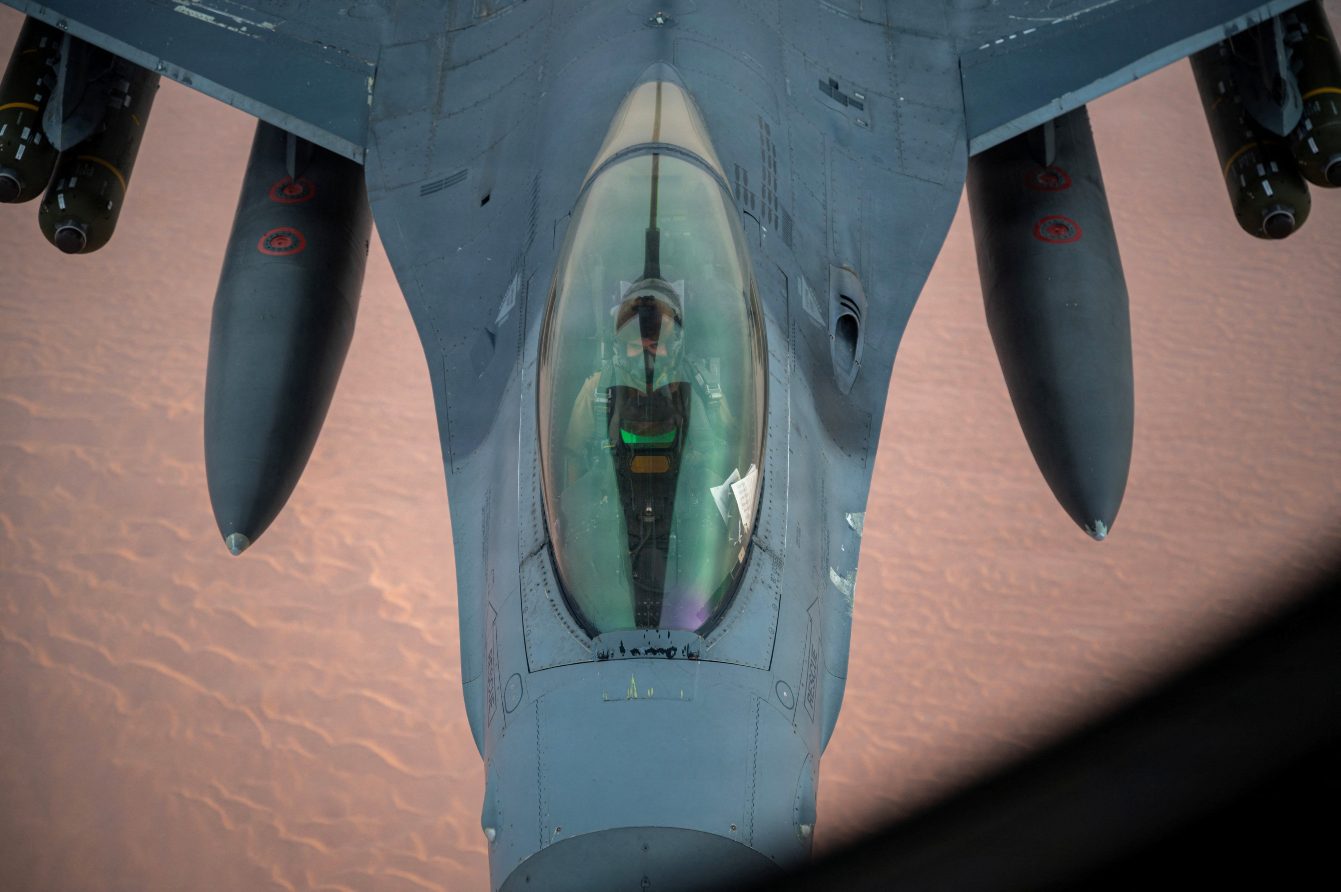
In a new escalation, Iran announced on Saturday the use of a new air defense system, which successfully targeted a US fighter jet on Friday. The spokesperson for the Joint Military Command "Khatam al-Anbiya" stated that Tehran is determined to achieve "full control" over its airspace, reflecting a significant development in Iran's air defense capabilities.
These developments come at a sensitive time when the region is witnessing increasing tensions between Iran and the United States, with both countries exchanging accusations regarding military activities and interventions in regional affairs. The Iranian military spokesperson indicated that this new system represents an important step towards enhancing Iran's national security.
Details of the Incident
In an official statement, the spokesperson for the Iranian military leadership clarified that the new defense system was successfully used against the American aircraft, showcasing Iran's increasing ability to protect its airspace from external threats. This step is part of Iran's strategy to bolster its military capabilities in the face of US pressures and the sanctions imposed on it.
The spokesperson also added that Iran will continue to develop its defensive capabilities, noting that this new defense system is part of its efforts to enhance security and stability in the region. These statements come at a time when concerns are rising over escalating military tensions in the Arabian Gulf.
Background & Context
Historically, relations between Iran and the United States have been marked by increasing tensions since the Islamic Revolution in 1979, which led to a series of military and political conflicts. These tensions have significantly escalated following the US withdrawal from the Iranian nuclear deal in 2018, resulting in the imposition of severe economic sanctions on Tehran.
In recent years, Iran has notably developed its military programs, including the advancement of air defense systems. These new systems may represent a response to the increasing threats posed by the United States and its allies in the region, making them part of Iran's strategy to defend its national sovereignty.
Impact & Consequences
These developments could lead to an escalation of tensions in the region, as the United States and its allies may feel concerned about Iran's increasing ability to protect its airspace. Such events may lead to heightened military preparations by the concerned countries, increasing the likelihood of military conflicts in the region.
Moreover, these developments may impact negotiations regarding the Iranian nuclear program, as Iran might use these new capabilities as leverage in future talks with major powers. Consequently, these events could have far-reaching implications for regional and international security.
Regional Significance
These events are particularly significant for Arab countries, as they may affect the balance of power in the region. With the increasing military capabilities of Iran, neighboring Arab states may feel a greater threat, prompting them to strengthen their military alliances and security cooperation among themselves.
Additionally, these developments may affect relations between Iran and Arab states, potentially intensifying tensions between the two sides. It is likely that these events could escalate conflicts in areas such as Iraq, Syria, and Lebanon, where Iran plays a pivotal role.
In conclusion, these events reflect the increasing security challenges facing the region and highlight the importance of enhancing security cooperation among Arab states to address potential threats.