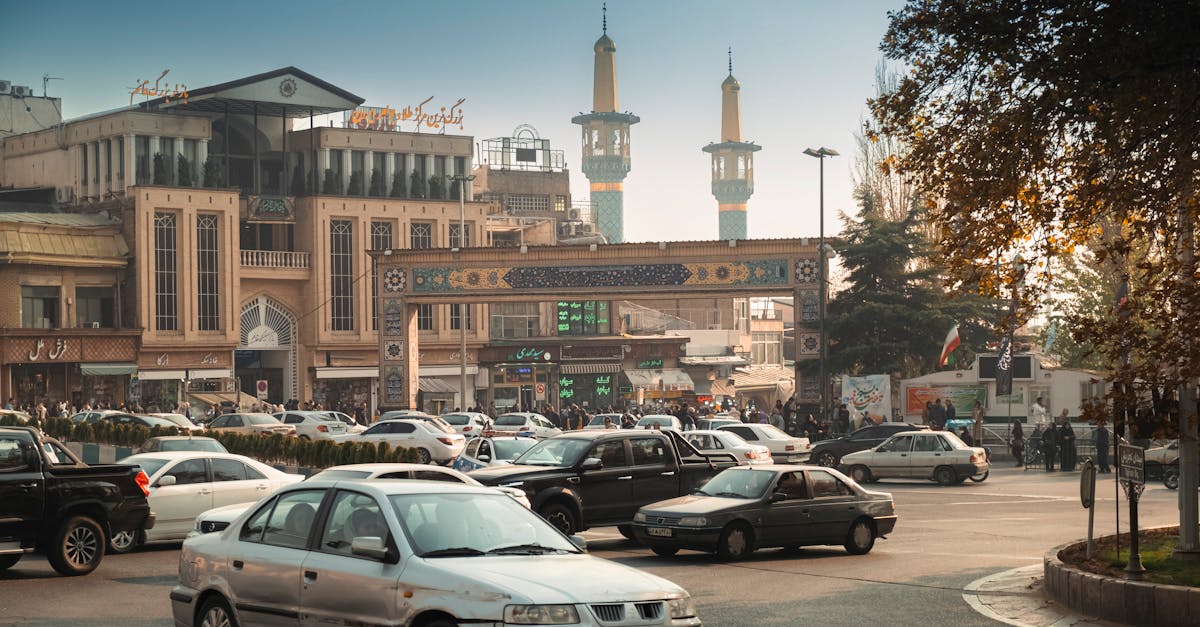
In a strong statement, Iran affirmed that its ancient civilization, which extends over thousands of years, cannot be affected by any external threat. This assertion was made by Iranian government spokesperson Fatemeh Mohajerani following remarks from U.S. President Donald Trump, who threatened to destroy "every civilization" in Iran if Tehran does not open the Strait of Hormuz.
Mohajerani, who made her comments via the platform "X", clarified that the Iranian nation possesses a steadfast belief in its rights and interests, and that it will make every effort to protect these rights. She also confirmed that Iranian national security will remain a top priority for the government, which will address threats with caution and attention.
Details of the Incident
These statements come at a sensitive time, as the region has witnessed escalating tensions between Iran and the United States, particularly following attacks by Israel and the U.S. on Iranian sites on February 28. Iran responded to these attacks by launching drone and missile strikes on targets in Israel, Jordan, and Iraq, as well as in Gulf countries hosting U.S. forces.
The Iranian attacks resulted in casualties and significant damage to infrastructure, adversely affecting global markets and the aviation sector. These events indicate a rise in the intensity of conflict in the region, raising concerns about its stability and security.
Background & Context
Historically, Iran has always been a focal point for major world powers due to its strategically important location in the Middle East. Since the Islamic Revolution in 1979, Iranian-American relations have continuously deteriorated, with the U.S. accusing Iran of supporting terrorism and developing a nuclear program that threatens regional and international security.
In recent years, tensions have significantly increased, especially after the U.S. withdrawal from the Iranian nuclear deal in 2018, which led to the imposition of severe economic sanctions on Tehran. These sanctions have greatly impacted the Iranian economy, increasing pressure on the Iranian government.
Impact & Consequences
Recent American statements threaten to escalate the situation in the region, potentially leading to military responses from Iran, which increases the risk of a full-scale conflict. Additionally, these tensions could affect oil prices and global financial markets, as Iran is one of the largest oil producers in the world.
Moreover, any escalation in the conflict could lead to serious humanitarian consequences, as millions in the region live under the threat of armed conflict. Therefore, the international community is urged to intervene to alleviate tensions and work towards peaceful solutions.
Regional Significance
Current events in Iran directly impact Arab countries, especially those that share borders or economic interests with Iran. Gulf countries, for instance, are concerned about any military escalation that could affect their security and stability.
Furthermore, the situation in Iran may influence relations between Arab countries and Iran, as some nations seek to improve ties with Tehran, while others prefer to take a more cautious stance. In this context, the importance of dialogue and understanding among all parties emerges to avoid any undesirable escalation.
In conclusion, the situation in Iran remains under observation, as any new developments could significantly impact security and stability across the entire region.