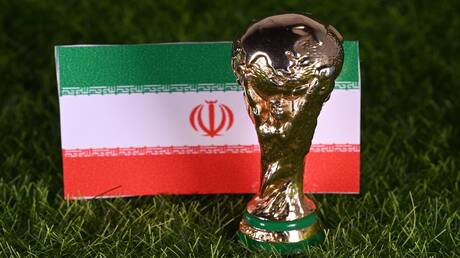
The Iranian Ministry of Sports and Youth announced on Thursday an official decision to prohibit all national sports teams and delegations from traveling to countries classified as 'hostile' by Tehran, effective until further notice. This decision comes at a sensitive time as Iran prepares for participation in the 2026 World Cup, raising fears about the potential impact on Iranian teams' involvement in this global sporting event.
This ban is part of Iran's foreign policy, which has been characterized by tensions with several countries, particularly the United States and its allies. The travel restrictions reflect political trends that directly affect sports activities, which could negatively impact the reputation of Iranian sports on the international stage.
Details of the Ban
This move is part of a series of measures taken by the Iranian government in recent years, aiming to reduce interactions with countries it considers hostile. While the countries affected by this ban have been identified, a specific list has not been disclosed, leaving room for speculation about which nations may be included.
This decision is seen as a blow to Iranian sports, especially with the ongoing preparations for the 2026 World Cup, which will be held in the United States, Canada, and Mexico. The announcement has elicited mixed reactions within Iran, with some expressing concerns that it may adversely affect the chances of Iranian teams competing on an international level.
Background & Context
Over the years, Iranian relations with many countries have experienced increasing tensions, particularly following the United States' withdrawal from the nuclear agreement in 2018. This political strain has significantly impacted various aspects of life in Iran, including sports, where many Iranian athletes have been barred from participating in international competitions due to these policies.
Historically, Iran has sought to maintain its presence in the global sports arena, but these efforts face significant challenges due to sanctions and imposed restrictions. Iranian sports have witnessed numerous crises as a result of these policies, leading to a decline in performance levels in some sports.
Impact & Consequences
This decision is expected to have negative repercussions for Iranian sports, especially with the World Cup preparations underway. Athletes and teams may face difficulties in traveling and training in countries that the Iranian government deems 'hostile.' This could affect their performance levels and readiness for competitions.
Moreover, this ban may exacerbate Iran's sports isolation, making it challenging for Iranian athletes to find opportunities to compete against teams from other countries. This could hinder the development of sports in the country and limit young Iranians' chances of achieving their athletic dreams.
Regional Significance
This decision serves as an indicator of the increasing tensions in the region, where sports are directly influenced by foreign policies. It may lead to greater divisions between Arab countries and Iran, potentially impacting future sports cooperation.
Additionally, this ban may raise concerns among Arab nations seeking to enhance sports relations with Iran, as they could find themselves in a difficult position if Iran decides to expand its list of 'hostile' countries. This could affect the prospects for sports collaboration between Arab nations and Iran.
In conclusion, the question remains about how this decision will affect Iran's participation in the 2026 World Cup and whether it will be able to overcome these obstacles to achieve its sports ambitions.