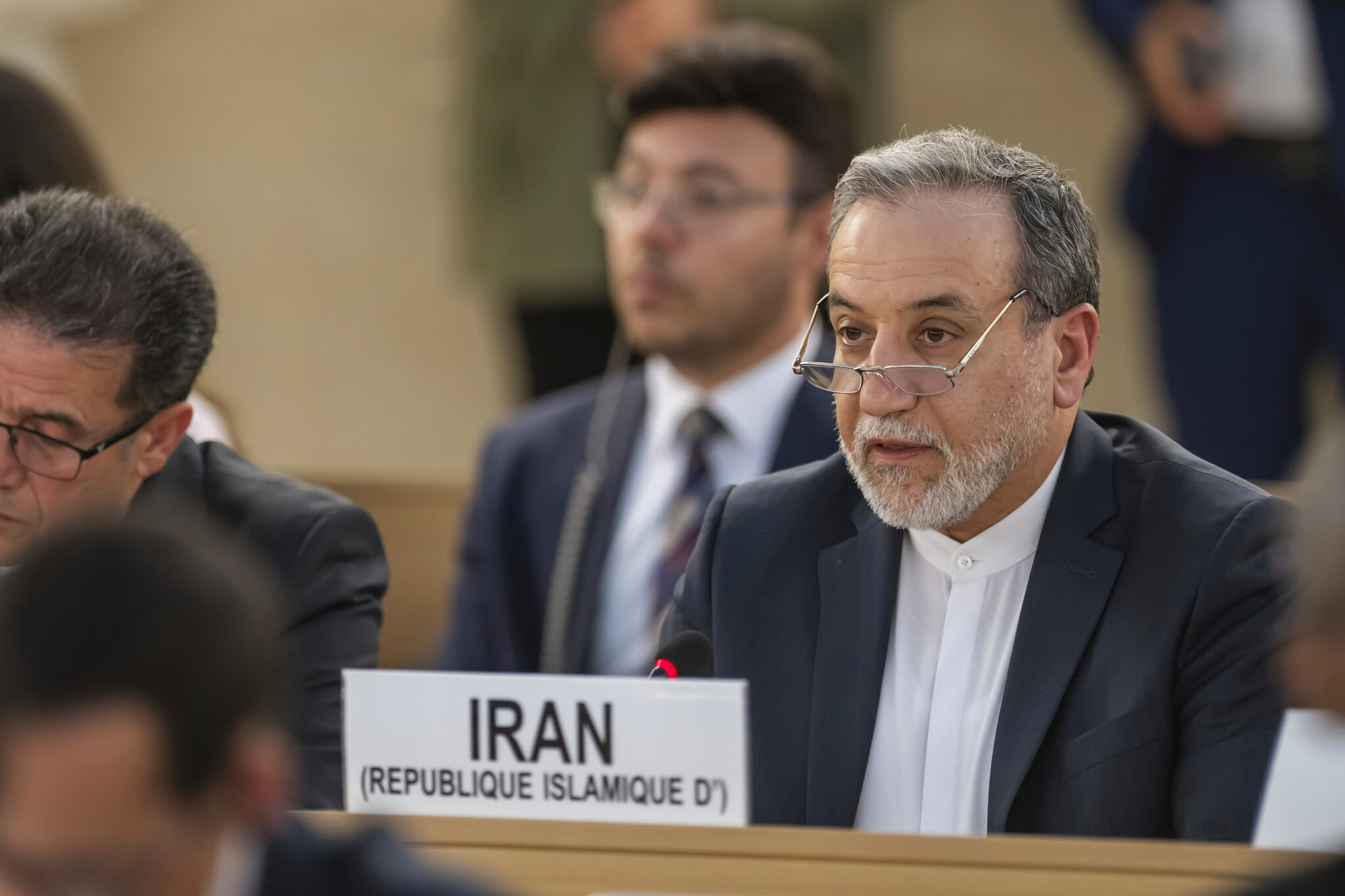
The Iranian Foreign Ministry has confirmed that decisions regarding war and peace are made in accordance with the Iranian constitution. This was stated by the ministry's spokesperson, who emphasized that these decisions reflect Iran's national sovereignty.
These statements come at a sensitive time for the region, where tensions between Iran and Western countries are escalating, particularly in light of the multiple crises affecting the area. This confirmation from the Iranian Foreign Ministry serves as a clear message regarding Tehran's position on regional and international issues.
Details of the Statement
In a press conference, the spokesperson for the Iranian Foreign Ministry clarified that the Iranian constitution stipulates that any decision related to war or peace must be made by the competent authorities. He noted that this procedure aims to ensure that no sudden or ill-considered decisions are made that could escalate the situation.
He also affirmed that Iran always seeks to maintain peace and stability in the region, but at the same time is prepared to defend its national interests if necessary. These statements come amid growing concerns about the potential escalation of conflicts in the Middle East.
Background & Context
Historically, Iran has always been surrounded by regional tensions, especially with its neighbors in the Arabian Gulf. Relations with Western countries, particularly the United States, have significantly deteriorated since Washington's withdrawal from the nuclear agreement in 2018. This withdrawal led to the imposition of harsh economic sanctions on Iran, complicating the situation in the region further.
The ongoing conflicts in Syria, Iraq, and Yemen have also greatly influenced Iranian policy, as Tehran seeks to enhance its influence in these countries. In this context, the statements from the Iranian Foreign Ministry serve as a reaffirmation of its steadfast position in the face of external pressures.
Impact & Consequences
These statements are particularly significant given the increasing tensions in the region. They may lead to an escalation of the situation between Iran and Western countries, raising the likelihood of new conflicts. Additionally, this stance could affect Iran's relations with neighboring countries, especially those concerned about Tehran's growing influence.
On the other hand, these statements might bolster the Iranian government's position domestically, as they demonstrate its commitment to the constitution and national sovereignty. This could contribute to strengthening public support for the government in the face of external pressures.
Regional Significance
Arab countries are directly affected by Iranian tensions, with some viewing Iran as a threat to their national security. Therefore, Iranian statements may lead to increased tensions in relations between Iran and Arab states, particularly those adopting anti-Iranian positions.
At the same time, some Arab countries may seek to enhance cooperation with Western powers to address the challenges posed by Iran. This cooperation could involve intelligence sharing and military coordination, further complicating the regional landscape.
In conclusion, the statements from the Iranian Foreign Ministry indicate Tehran's political orientations under current circumstances. As tensions in the region persist, the question of how these positions will impact the future of regional and international relations remains open.