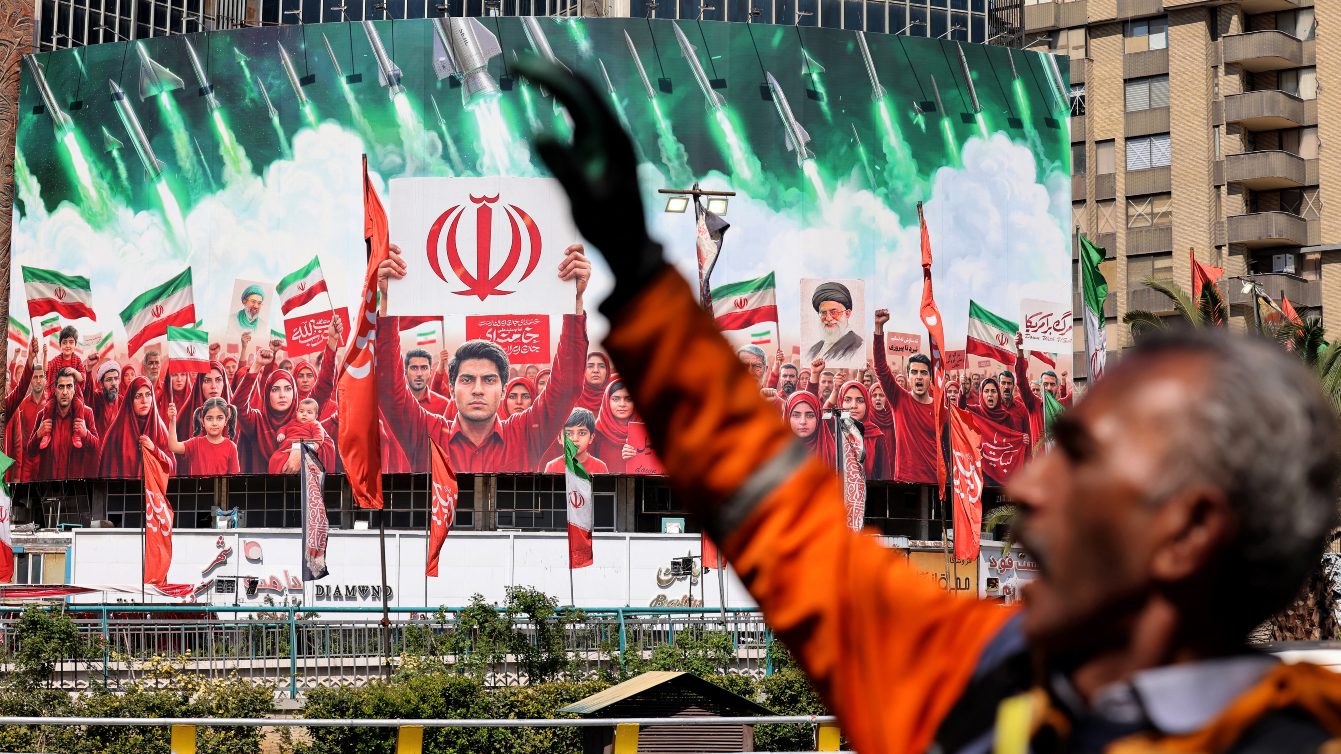
Iran announced through its Supreme National Security Council on Wednesday that it has achieved a historic victory in the war, having forced the United States to accept its 10-point proposal framework before the scheduled negotiations. The proposal includes guarantees against aggression, continued Iranian control over the Strait of Hormuz, easing sanctions, withdrawal of US forces from the region, and compensation.
The council added that the negotiations set to begin on Friday in Islamabad will focus on finalizing the details, but this does not mean the end of the war. This announcement came a day after US President Donald Trump stated that Washington would suspend attacks on Iran for two weeks to allow diplomacy to advance.
Details of the Event
Trump described this ceasefire as a dual ceasefire linked to the reopening of the Strait of Hormuz, noting that the Iranian 10-point proposal represents a practical basis for negotiations. He confirmed that talks could last up to 15 days and may be extended, emphasizing that any agreement must be documented through international mechanisms.
In a related context, the council confirmed that Iran would continue military operations if its demands are not fully met. It also mentioned that Iranian forces and allied groups have inflicted significant losses on their enemies in the region, forcing them to seek a ceasefire.
Background & Context
These developments come at a sensitive time for the region, where tensions between Iran and the United States have escalated over the past years. The US sanctions imposed on Iran have exacerbated the economic and political situations in the country, prompting it to seek diplomatic solutions.
Historically, Iran has sought to enhance its influence in the region, particularly amid ongoing conflicts in Syria and Iraq, where it has played a pivotal role in supporting its allies. However, any agreement reached must take into account regional and international concerns regarding Iran's nuclear activities.
Impact & Consequences
This negotiation carries significant implications for regional security, as it could lead to a shift in the balance of power in the area. If successful, the negotiations may pave the way for easing tensions and lifting sanctions, contributing to stabilizing Iran's economic situation.
On the other hand, if negotiations fail, it could lead to a renewed escalation in the conflict, threatening regional security and complicating the situation in the Middle East. Continued Iranian military operations may provoke military responses from the United States and its allies.
Regional Significance
These events directly impact Arab countries, as any escalation in the conflict between Iran and the United States could negatively affect security and stability in Gulf nations. Additionally, the reopening of the Strait of Hormuz is vital for global trade, and any closure could lead to rising oil prices and affect the global economy.
In conclusion, all eyes remain on the upcoming negotiations in Islamabad, where many hope for positive outcomes that contribute to achieving peace and stability in the region.