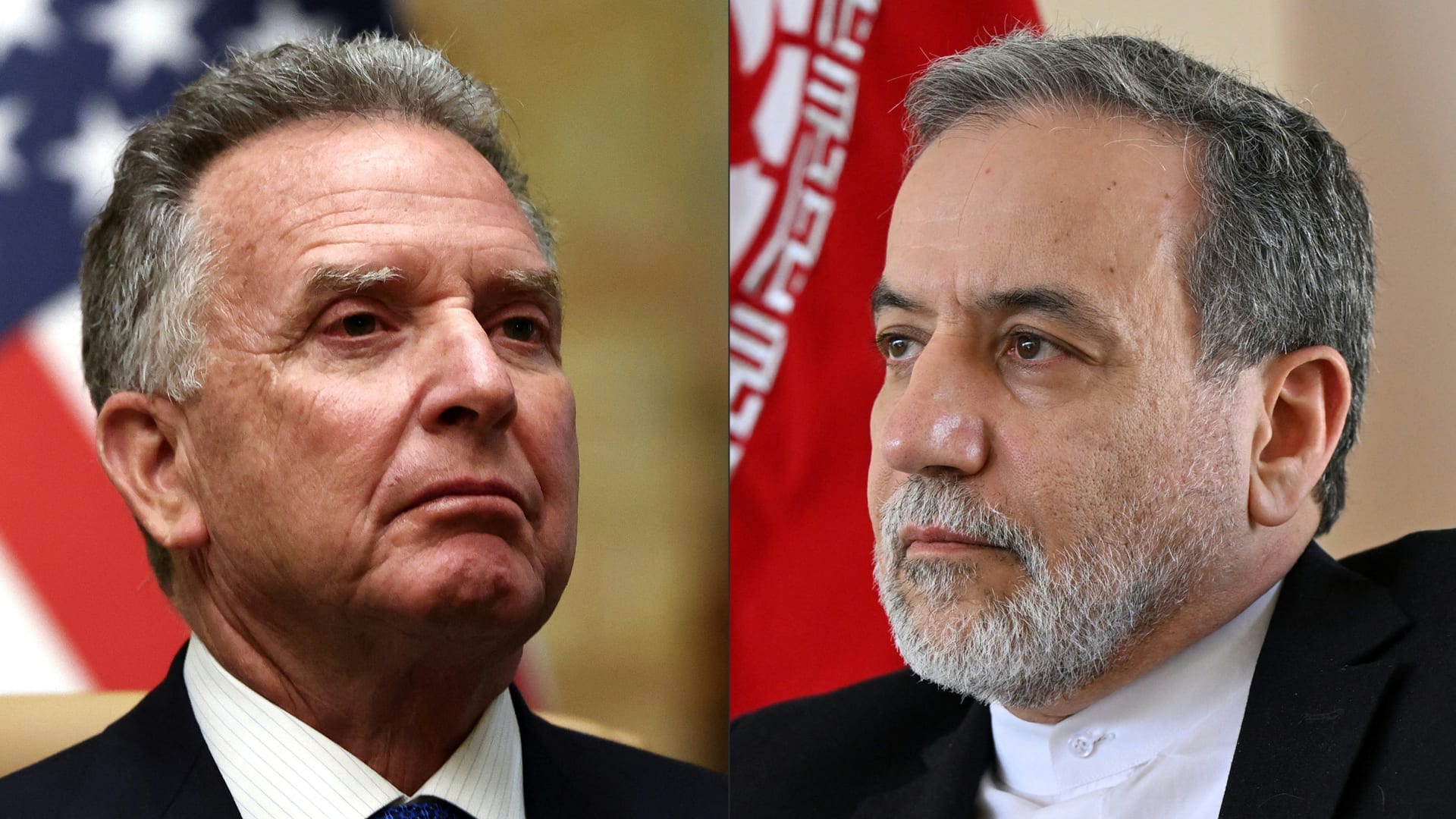
An Iranian high-ranking official has indicated that the government in Tehran considers the recent US proposal concerning the nuclear agreement to be unilateral and unfair. This statement reflects the escalating tensions between Iran and the United States, as Tehran continues to assert its firm stance against US pressures.
In remarks made by the unnamed official, it was emphasized that Tehran will not accept any conditions that contradict its national interests. This position comes at a time when the region is witnessing rising tensions, especially following the US withdrawal from the nuclear agreement in 2018 and the re-imposition of economic sanctions on Iran.
Details of the Event
The United States, through its recent proposals, aims to revive negotiations regarding Iran's nuclear program, hoping to reach an agreement that ensures Iran does not develop nuclear weapons. However, Tehran rejects these proposals, stressing that they require recognition of its sovereign rights.
These statements come at a critical juncture, as pressures on Iran from the international community are increasing, particularly after reports indicating advancements in Iran's nuclear program. These developments have heightened concerns about a potential escalation in the region, raising alarms among neighboring countries.
Background & Context
Historically, Iranian-American relations have experienced significant fluctuations, beginning with the Islamic Revolution in 1979, which led to the severance of diplomatic ties between the two countries. Since then, these relations have been characterized by tension and conflict, with the United States accusing Iran of supporting terrorism and threatening regional security.
In recent years, the nuclear agreement reached in 2015 was seen as a turning point, with the international community hoping it would lead to improved relations. However, the US withdrawal from the agreement in 2018 and the re-imposition of sanctions have brought relations back to square one, complicating the situation in the region.
Impact & Consequences
The recent Iranian statements are indicative of Tehran's unwillingness to make concessions, which could exacerbate conditions in the region. If the United States continues to exert its pressures, the situation may escalate towards military confrontation, which could have dire consequences for both regional and international security.
Moreover, the ongoing tensions between Iran and the United States may impact oil prices and global financial markets, as the Middle East is a vital region for energy supplies. Any escalation in these relations could lead to increased instability in the markets.
Regional Significance
The tensions between Iran and the United States directly affect neighboring Arab countries, many of which are concerned about the rising Iranian influence in the region. Any military escalation could have repercussions on the national security of Arab states, prompting them to take precautionary measures.
At the same time, some Arab countries may seek to strengthen their ties with the United States as a means to counter the challenges posed by Iran. This situation could lead to new alliances in the region, further complicating the geopolitical landscape.
In conclusion, Iranian-American relations remain in a state of ongoing tension, with recent statements indicating no signs of rapprochement. Under these circumstances, there is hope that the international community can find diplomatic solutions that contribute to regional stability.