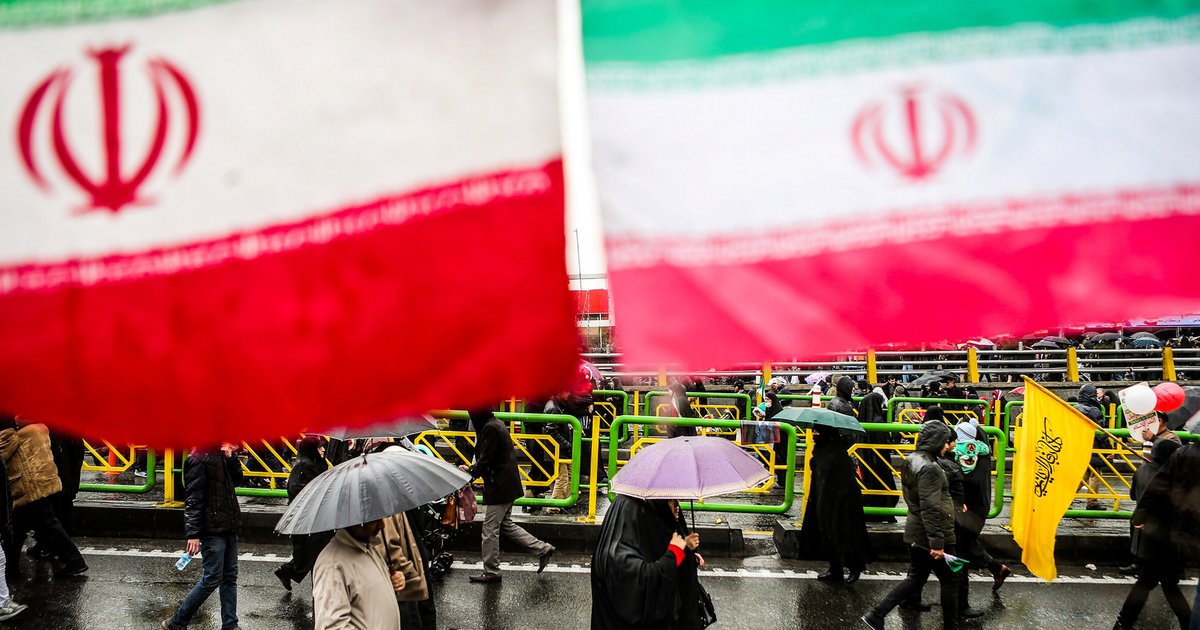
Iran has announced that the U.S. proposals it received through intermediaries are deemed illogical, reflecting the ongoing tensions in relations between Tehran and Washington. These statements come at a time when international pressure on Iran regarding its nuclear program is escalating, amid fears that these proposals may be an attempt to undermine dialogue efforts.
In statements made by Iranian officials, it was emphasized that these proposals do not align with Iran's core demands, further complicating the situation in the region. Officials also indicated that Iran is ready to continue dialogue, but under clear and specific conditions.
Details of the Event
These statements follow a series of indirect talks between Iran and the United States, which have taken place through intermediaries in recent months. These talks aimed to ease tensions related to Iran's nuclear program, which the West considers a threat to regional and international security.
Despite this, Iran insists on its right to develop its nuclear program for peaceful purposes, viewing U.S. pressures as merely an attempt to force it to relinquish its rights. Some observers have noted that these statements may lead to a new escalation in relations between the two countries.
Background & Context
Historically, relations between Iran and the United States have seen increasing tensions since the Islamic Revolution in 1979. The economic sanctions imposed on Iran have exacerbated the situation, prompting Tehran to seek ways to bolster its position in negotiations.
In recent years, Iran has attempted to negotiate with major powers regarding its nuclear program, but these talks have often stalled due to conflicting interests. Iran believes that any agreement must guarantee its sovereign rights and address its security concerns.
Impact & Consequences
The recent Iranian statements may exacerbate conditions in the region, as international pressures on Iran are likely to continue. Additionally, the failure to reach an agreement could increase the likelihood of military tensions, especially with other regional powers directly affected by these developments.
Moreover, the continuation of these tensions could impact global oil markets, as Iran is a key player in the oil market. Any escalation in the situation could lead to rising oil prices, affecting the global economy as a whole.
Regional Significance
The Iranian-U.S. relations are a major axis affecting stability in the Arab region. Tensions between Tehran and Washington could lead to escalations in conflicts in countries like Iraq, Syria, and Lebanon, where Iran plays a significant role.
Neighboring Arab countries are closely monitoring these developments, fearing their impact on national security. Some of these countries may seek to strengthen their alliances with the United States to counter any potential threats.
In conclusion, Iranian-U.S. relations remain in a state of instability, with the current situation requiring serious dialogue and international cooperation to avoid any escalation that could lead to catastrophic outcomes for the region.