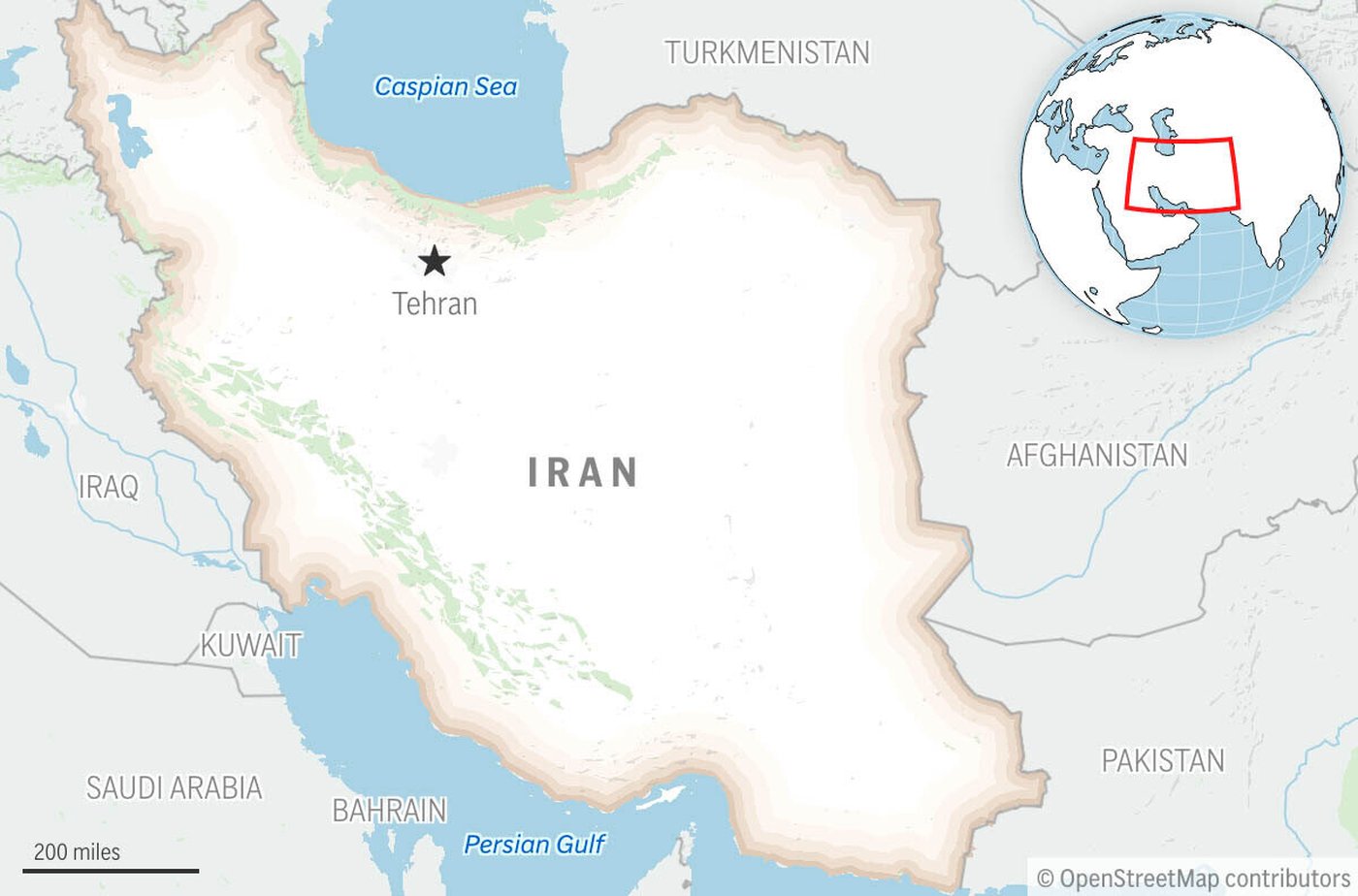
Concerns are mounting regarding the repercussions of Iran not opening the Strait of Hormuz after the deadline on April 6. This strait is one of the most vital waterways in the world, through which approximately 20% of total global oil exports pass. If Iran fails to respond, it could escalate tensions in the region and significantly impact oil markets.
These developments come at a sensitive time as Iran continues to bolster its military presence in the area, increasing the likelihood of clashes with Western powers. Justin Russell, an expert on Iranian affairs, has stated that not opening the strait would have dire consequences for the global economy, particularly amid the current crises facing energy markets.
Details of the Situation
The deadline set by Iran serves as a true test of international relations in the region. Tehran has warned that it will take strict measures if any new sanctions are imposed on it. Should the strait remain closed, it would lead to a significant rise in oil prices, which would adversely affect the global economy.
There are also fears that this situation could lead to potential military escalation, as the United States and its allies may take military action to protect their interests in the region. Russell pointed out that this scenario could heighten tensions between Iran and the West, potentially dragging the region into open conflict.
Background & Context
Historically, the Strait of Hormuz has played a pivotal role in political and military conflicts in the Middle East. The strait has witnessed numerous crises, from the Gulf War in the 1990s to the current tensions between Iran and the United States. Iran views this strait as part of its sovereignty, while Western powers see it as a vital passage that must maintain freedom of navigation.
In recent years, Iran has increased its threats to close the strait, raising concerns among oil-producing nations. Recent events have shown that Iran is willing to use military force to protect its interests, complicating the situation in the region further.
Impact & Consequences
If Iran does not open the Strait of Hormuz, it will lead to heightened tensions between Iran and Western countries, potentially resulting in military responses. Financial markets will be significantly affected, with oil prices expected to spike sharply, impacting the global economy and increasing energy costs.
Moreover, the closure of the strait could exacerbate humanitarian crises in neighboring countries, many of which rely on Iranian oil. This situation may also contribute to intensifying internal conflicts in some Arab nations, increasing instability in the region.
Regional Significance
The Strait of Hormuz is a lifeline for many Arab nations, as their economies heavily depend on oil exports. In the event of any escalation, Arab countries will face significant economic challenges, potentially increasing the burdens on their populations.
Additionally, the situation in the Strait of Hormuz could affect relations between Arab nations and Iran, as some countries may seek to strengthen their alliances with Western powers, further deepening divisions in the region. Ultimately, the upcoming events will determine the fate of the entire region.