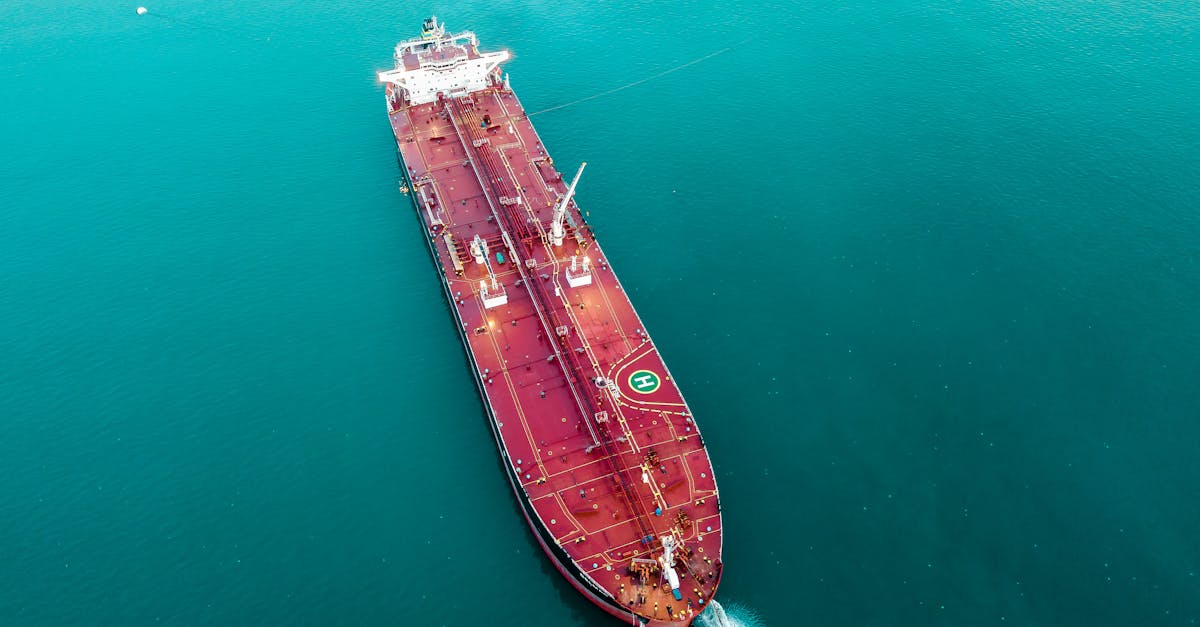
In controversial statements, U.S. Secretary of State Marco Rubio confirmed during an interview with Fox News that Iran is imposing unacceptable conditions for allowing ships to transit through the Hormuz Strait. Rubio noted that Iran's demands for coordination and payment, along with threats to target vessels that do not comply with these conditions, represent an unacceptable escalation.
Rubio added that these practices reflect Iran's approach to managing traffic in maritime corridors, indicating that the United States will not tolerate such policies. He explained that Iran seeks to use the Hormuz Strait as a tool to exert pressure on other nations, thereby threatening international navigation freedom.
Details of the Event
Rubio's remarks are part of the U.S. administration's policy toward Iran, characterized by a hardline stance against Iranian activities in the region. These statements come at a sensitive time, as tensions between the United States and Iran have been escalating, particularly following a series of maritime incidents in the Hormuz Strait in recent months.
The Hormuz Strait is one of the most crucial maritime passages in the world, through which approximately 20% of the world's oil passes. Therefore, any threats or restrictions imposed by Iran on navigation in this strait could significantly impact global markets.
Background & Context
Historically, the Hormuz Strait has witnessed numerous tensions, especially during periods of political crises between Iran and Western nations. Iran has repeatedly used threats to close the strait as a means of pressuring its adversaries, leading to escalated conflicts in the region.
In recent years, Iranian military activities in the area have increased, including targeting commercial vessels, raising concerns within the international community. These activities are seen as part of Iran's strategy to enhance its influence in the Arabian Gulf.
Impact & Consequences
Analyses suggest that escalating tensions in the Hormuz Strait could lead to rising global oil prices, affecting the world economy. Additionally, any military escalation could drag the United States and its allies into direct conflict with Iran, a scenario the U.S. administration aims to avoid.
Moreover, these tensions may lead to increased insecurity in the region, impacting international trade and heightening risks for commercial shipping.
Regional Significance
Arab countries bordering the Arabian Gulf, such as Saudi Arabia and the United Arab Emirates, are among the most affected by the tensions in the Hormuz Strait. These nations heavily rely on exporting oil through this vital corridor, and any threats could impact global oil supplies.
Furthermore, these tensions may lead to increased military cooperation between Arab nations and the United States, in an effort to protect navigation in the region and ensure market stability.
In conclusion, the situation in the Hormuz Strait remains under scrutiny, with expectations that tensions will persist under current Iranian policies. The international community must take effective steps to ensure freedom of navigation in this vital corridor.