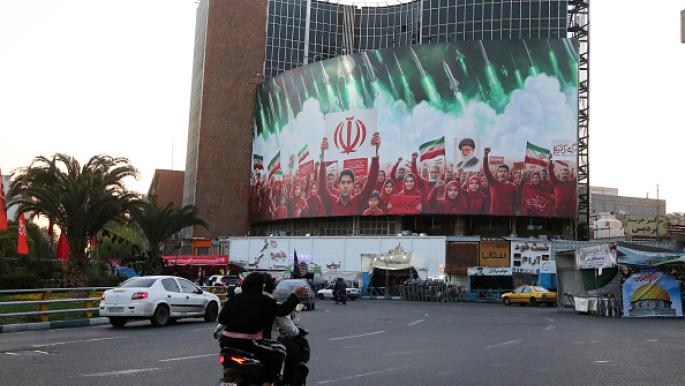
Iranian leaders have praised their allies in the region, asserting that US and Israeli assessments of them are incorrect. These statements come at a sensitive time as Iran continues to strengthen its relationships with its allies amid escalating regional tensions.
In recent days, Tehran has sent multiple messages to its allies, including commendations for their efforts and roles in ongoing conflicts. These messages reflect Iran's desire to bolster regional alliances, especially in light of the pressures it faces from the West.
Details of the Event
These commendations come at a time when the region is witnessing an increase in tensions, with growing fears of potential military escalation. Iranian officials have indicated that their allies, who are involved in regional conflicts, have proven their ability to face challenges, which contradicts US and Israeli assessments that downplay their significance.
Iran has also emphasized the importance of cooperation among allied nations, stressing that such collaboration is the only way to confront external threats. Through these statements, Tehran has shown its intention to strengthen ties with its allies, including armed groups in Iraq, Syria, and Lebanon.
Background & Context
Historically, Iran has sought to expand its influence in the region by supporting allies and armed groups. Since the Islamic Revolution in 1979, Tehran has worked to build a network of alliances that includes groups like Hezbollah in Lebanon and Shiite militias in Iraq.
These alliances are considered part of Iran's strategy to counter US and Israeli pressures, as it seeks to secure its regional interests and enhance its military and political presence in the area. In recent years, Tehran has increased its support for its allies amid rising tensions with the United States, especially following Washington's withdrawal from the nuclear deal.
Impact & Consequences
These Iranian statements serve as a strong message to the United States and Israel, affirming that Tehran will not back down from supporting its allies. This could lead to heightened tensions in the region, particularly if the US continues its current policy towards Iran.
Moreover, the strengthening of Iranian alliances could affect the balance of power in the region, potentially creating new challenges for regional security. If Iran continues to support its allies, this could escalate conflicts in Iraq, Syria, and Lebanon, negatively impacting regional stability.
Regional Significance
These developments directly affect Arab countries, as many Arab governments are concerned about Iran's increasing influence in the region. These countries view the strengthening of Iranian alliances as a threat to their national security, especially with the presence of armed groups supported by Tehran in Iraq and Syria.
In this context, Arab countries may be compelled to reassess their security strategies and cooperate among themselves to address the challenges posed by Iran and its allies. Additionally, these developments could lead to further divisions in the region, as Arab countries have varying positions towards Iran.
In conclusion, the developments in Iranian relations with its allies remain a significant focus, as these relationships are part of the broader regional conflict. The international community must closely monitor these developments amid fears of potential escalation in ongoing conflicts.