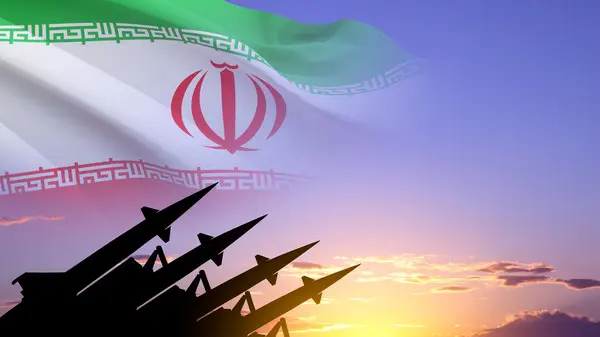
The Iranian parliament has unveiled a new bill aimed at imposing fees on ships that transit through the Hormuz Strait, in exchange for providing security and protection for these vessels. This announcement comes at a time when the region is experiencing increasing tensions, raising questions about the economic and political implications of this decision.
According to the semi-official Fars News Agency, this project seeks to secure additional revenues for the country amid the difficult economic conditions that Iran is facing. The Hormuz Strait is a vital passage for oil and gas transportation, with approximately 20% of the world's total oil passing through it, making this step of significant importance.
Details of the Proposal
Through this project, Iran aims to enhance its control over the strait, which has long been a focal point for regional and international disputes. The bill is expected to be presented to parliament for discussion soon, as it forms part of Iran's strategy to strengthen its influence in the region.
This move follows a series of incidents in the strait, including attacks on oil tankers, which have escalated tensions between Iran and Western countries. It is believed that this bill could contribute to heightened tensions, as other nations may respond by imposing similar fees or taking countermeasures.
Background & Context
The Hormuz Strait has a long history of conflicts and tensions, being a vital crossing point for oil and natural gas. In recent years, the region has seen an increase in military activities, including naval maneuvers and hostile statements between Iran and the United States.
Historically, Iran has sought to enhance its influence in the Arabian Gulf, viewing this region as part of its national identity. However, the economic sanctions imposed on Iran since 2018 have increased pressures on the Iranian economy, prompting the government to seek new ways to boost revenues.
Impact & Consequences
This step could lead to increased tensions in the region, as other countries may respond by imposing similar fees or taking countermeasures. Additionally, imposing fees on ships transiting through the strait could affect global trade flows, potentially leading to higher oil and gas prices.
Moreover, this move could strengthen Iran's position in international negotiations, as it may use it as leverage against Western nations. At the same time, it could provoke negative reactions from countries that depend on this vital passage, complicating international relations in the region.
Regional Significance
Neighboring Arab countries to the Hormuz Strait, such as the United Arab Emirates and Saudi Arabia, are among the most affected by this decision. The economies of these countries heavily rely on oil exports through this strait. Therefore, any changes in trade flows or increased fees could negatively impact their economies.
Furthermore, rising tensions in the region may lead to increased military investments by Arab nations, potentially exacerbating security situations. Thus, this Iranian move requires close monitoring by Arab nations and the international community.