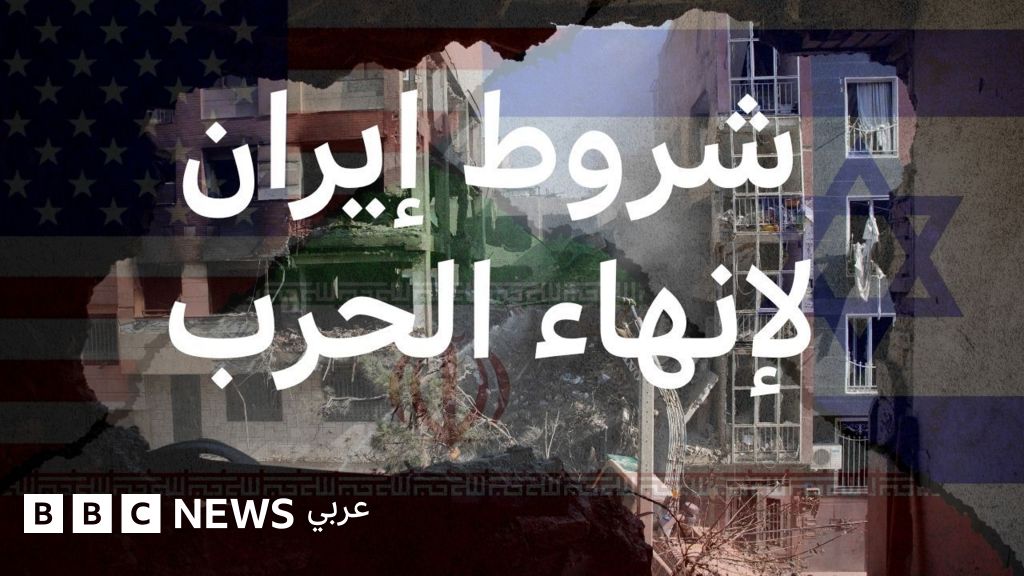
Iran has officially rejected a US proposal aimed at ending the ongoing war. A senior security and political official disclosed that Tehran has set five conditions for agreeing to any deal. This move comes at a time when the region is experiencing heightened tensions, further complicating peace efforts.
The unnamed Iranian official clarified that the five conditions include security guarantees, withdrawal of foreign troops, cessation of military support for the opposition, and the necessity of recognizing Iran's rights in the region. These conditions reflect Tehran's steadfast position in the face of international pressures.
Details of the Event
These statements come at a sensitive time, as the United States seeks to stabilize the region through diplomatic initiatives. However, Iran's rejection reflects a lack of trust in US intentions and indicates that Tehran will not compromise on its core interests. The conditions set by Iran are seen as a response to the military and political pressures it faces.
On the other hand, reports indicate that the US had hoped to make progress in negotiations, but Iran's rejection may complicate matters further. This stance also reflects the increasing tensions between Iran and the United States, which have escalated in recent years.
Background & Context
Historically, Iranian-American relations have experienced numerous fluctuations, with periods of cooperation and others of tension. Since the US withdrawal from the nuclear deal in 2018, tensions have notably escalated. Iran viewed this withdrawal as a violation of the agreement, leading to a series of military and political escalations.
The current war in the region, which involves multiple conflicts, has further complicated the situation. Iran plays a pivotal role in many of these conflicts, making it a key player in any peace efforts. The conditions set by Tehran reflect its desire to maintain its influence in the region.
Impact & Consequences
Iran's rejection of the US proposal could exacerbate conditions in the region, potentially intensifying existing conflicts. This stance may also affect relations between Iran and other countries, particularly those seeking to stabilize the area.
This rejection is likely to escalate military tensions, as the US and its allies may feel pressured to respond to Iran's position. Such escalation could impact global oil markets and increase instability in the region.
Regional Significance
For Arab countries, Iran's stance may heighten tensions in regional relations. Many Arab nations view Iran as a threat to their security, which could lead to new alliances or escalations in existing conflicts.
This position may also influence peace efforts in areas like Yemen and Syria, where Iran plays a significant role. Arab nations may find themselves compelled to reassess their strategies in the face of this growing Iranian challenge.
In conclusion, Iran appears determined to maintain its position in the region, complicating peace efforts. The five conditions set by Tehran reflect its unwillingness to compromise on its interests, making it difficult to achieve any progress in future negotiations.