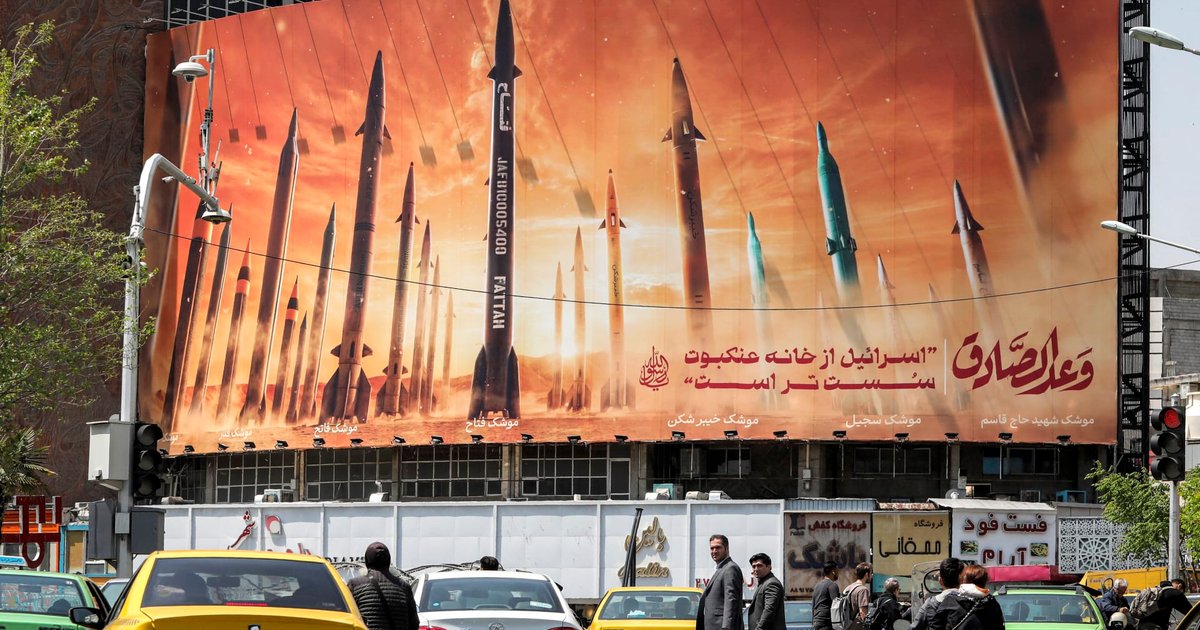
Iranian state media reported that Tehran's response to the U.S. proposal to stop the war was negative, with an Iranian official stating that "the war will end when Iran decides to end it, not when Trump decides to do so." This statement reflects Iran's firm stance on its sovereignty and decision-making regarding the conflict.
These remarks come at a time when tensions between Iran and the United States are rising, particularly following a series of events in the region that have exacerbated security and political conditions.
Details of the Event
In response to President Donald Trump's plan to halt the war, Iran has taken a strong position, asserting that any proposal from the U.S. cannot influence its sovereign decision. This statement followed Trump's earlier remarks about the need to reach an agreement to cease hostilities in the region.
The unnamed Iranian official reiterated that Tehran would not yield to external pressures and has the capability to determine the timing of ending the conflict. This position reflects Iran's strategy of bolstering its regional power and resisting U.S. pressures.
Background & Context
Historically, Iranian-American relations have been marked by increasing tensions since the Islamic Revolution in 1979, with U.S. policies in the region exacerbating crises. These tensions intensified after the U.S. withdrawal from the Iranian nuclear deal in 2018, leading to the imposition of severe economic sanctions on Tehran.
In recent years, the region has witnessed a rise in military actions, with Iran targeting U.S. interests in Iraq and Syria, further escalating tensions. Additionally, Iran's support for armed militias in the region is considered one of the main factors fueling the conflict.
Impact & Consequences
Iran's negative response to Trump's plan could lead to worsening conditions in the region, as hostilities are likely to continue and conflicts may intensify. This stance may also impact international efforts aimed at achieving peace and stability in the Middle East.
Moreover, the ongoing conflict could have negative economic repercussions for neighboring countries, as trade and investment in the region could be significantly affected due to the persistent tensions.
Regional Significance
The Iranian-American relations are pivotal in determining the dynamics of conflict in the Arab region. The tensions between Tehran and Washington directly affect Arab countries, especially those experiencing conflicts such as Iraq, Syria, and Yemen.
Furthermore, Iran's position may embolden certain armed factions in the region to escalate their actions, complicating security situations. At the same time, Arab nations may find themselves compelled to take decisive stances amid these rapid developments.
In conclusion, the situation in the region remains influenced by the ongoing tensions between Iran and the United States, necessitating intensive diplomatic efforts to achieve peace and stability.