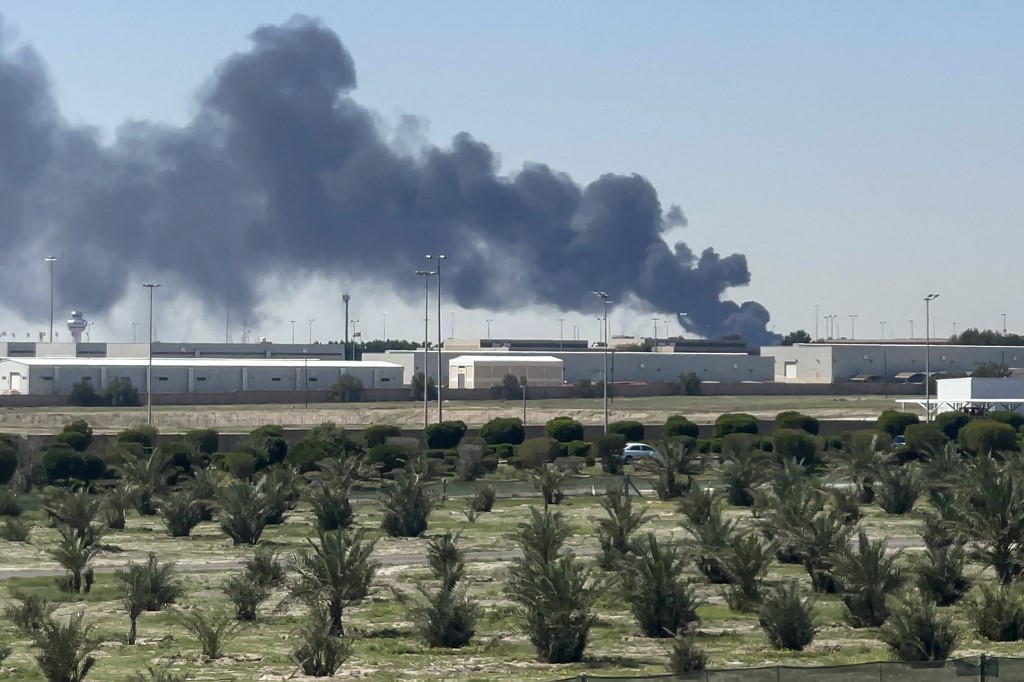
In a significant development, the semi-official Iranian news agency Tasnim has unveiled images of an American fighter jet that is claimed to have been shot down in central Iran by the air defenses of the Iranian Revolutionary Guard. The agency noted that the visible markings on the aircraft indicate that it belongs to the U.S. European Command.
Tasnim reported that the aircraft is part of the 48th Squadron of the U.S. European Command, which is based at RAF Lakenheath in England. This squadron has been deployed in the area of operations of the U.S. Central Command (CENTCOM) for missions against Iran.
Details of the Incident
The images published by Tasnim show parts of the fighter jet, raising questions about the nature of American military operations in the region. This incident is viewed as part of the ongoing tensions between Iran and the United States, with increasing concerns about a potential military escalation.
This incident comes at a sensitive time, as Iran continues to bolster its military capabilities and develop its defense systems, further heightening tensions in the Middle East. Reports have confirmed that the aircraft was involved in U.S. military operations against Iran, reflecting the persistent hostilities between the two sides.
Background & Context
Historically, relations between Iran and the United States have been marked by escalating tensions since the Islamic Revolution in 1979. Since then, the United States has imposed economic and military sanctions on Iran, leading to a rise in conflicts. Additionally, American military interventions in the region, including operations against ISIS, have complicated the situation.
In recent years, Iran has intensified the development of its military programs, including the advancement of long-range missiles and air defense systems. These developments have raised alarms among Western nations, particularly the United States, which views Iran as a threat to regional security.
Impact & Consequences
This incident is seen as an indicator of rising military tensions between Iran and the United States, which could lead to reciprocal reactions that may affect stability in the region. The downing of the aircraft may also raise questions about the effectiveness of Iranian defense systems and their ability to counter aerial threats.
If the information regarding the downing of the aircraft is confirmed, it could lead to a potential military escalation, threatening regional security and complicating relations between Iran and Western nations. This may necessitate international intervention to mitigate escalation and ensure security in the region.
Regional Significance
The tensions between Iran and the United States directly impact Arab nations, as many view Iran as a threat to their national security. Any military escalation could have negative repercussions on security and stability in the region, prompting Arab nations to adopt cautious stances.
This incident may also affect relations between Arab countries and the United States, as some nations might be compelled to reassess their alliances based on military developments in the region.
In light of the escalating military tensions between Iran and the United States, this incident stands as a testament to the challenges facing regional security. The current situation requires the international community to take urgent steps to ensure stability in the region and avoid military escalation.