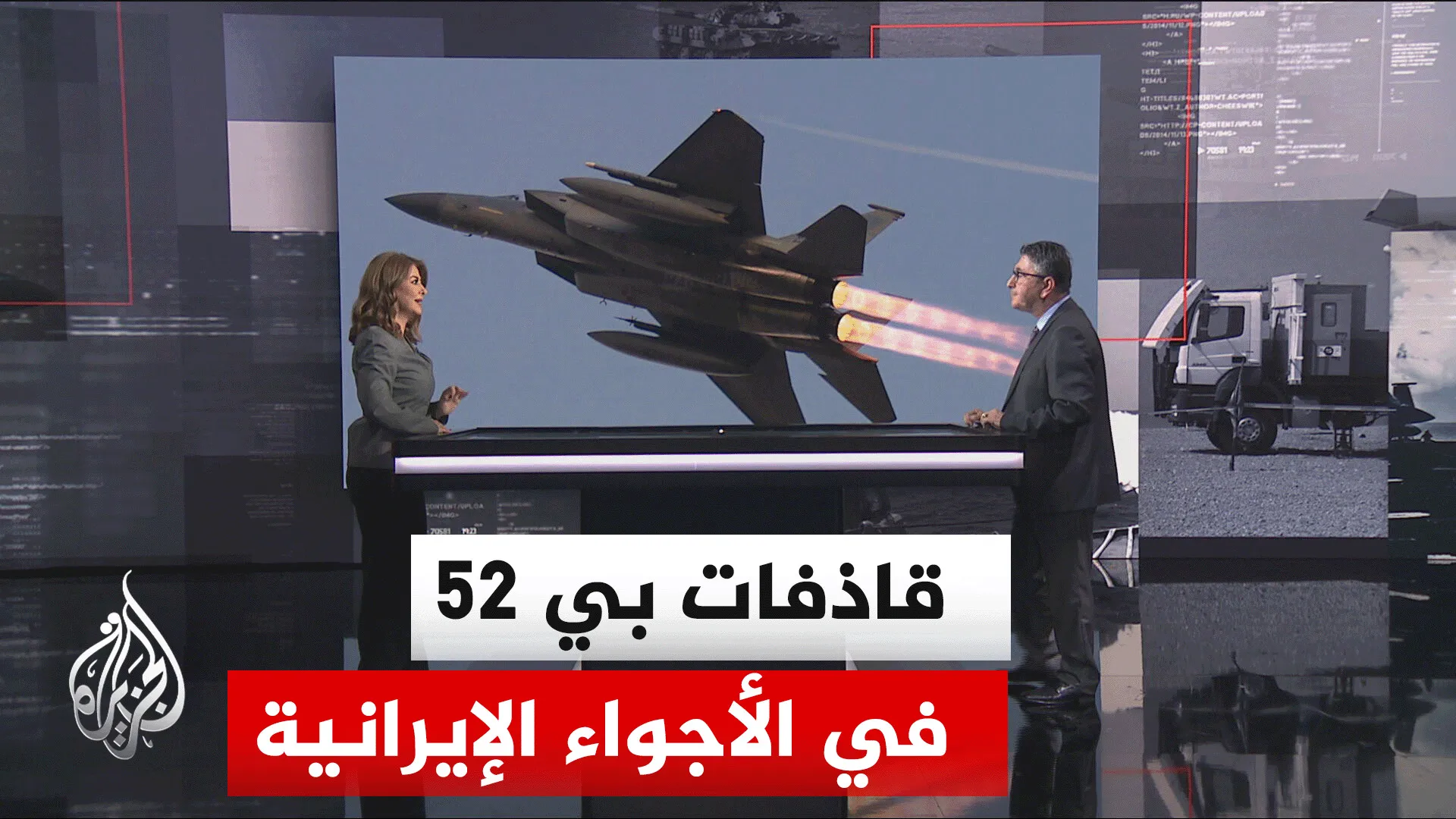
Iran has shot down an American fighter jet, raising questions about the air superiority claimed by Washington. The incident reveals potential gaps in U.S. assessments that assumed the complete neutralization of Iranian defenses, which could alter the course of conflict in the region.
Brigadier General Hassan Jouni, a military and strategic expert, confirmed that the downing of warplanes relies on integrated air defense systems, including radars that detect aerial targets and guide missiles to intercept them accurately. Any miscalculation in assessing the effectiveness of these systems could lead to unforeseen battlefield surprises.
Details of the Incident
U.S. estimates had assumed the destruction of most Iranian air defense capabilities, allowing for discussions of near-absolute air superiority. However, the recent incident puts this hypothesis to practical test, especially with indications that some defensive capabilities may still be operational.
The CBS network reported that U.S. forces managed to rescue one of the pilots, while search operations for the other continue, reflecting a complex battlefield race between the two sides to reach the aircraft's crew.
The downed fighter jet is believed to be of the F-15E model, which is heavier compared to the stealthy F-35, making it more susceptible to detection due to its larger thermal signature, especially when loaded with heavy munitions for precision strikes.
Context and Background
Despite these aircraft being equipped with advanced electronic warfare systems, they may have to fly at low altitudes when targeting sensitive objectives, placing them within the range of air defense systems that may still be effective or have been reactivated. Iran possesses a mix of defensive systems, including the Russian S-300 and the local Kordad 15, as well as infrared systems like Majid, which complicates detection by enemy aircraft.
Field analysis showed the separation of an ejector seat from the aircraft, indicating that one of the pilots successfully ejected, which aligns with Washington's announcement of rescuing one crew member, while the fate of the other remains uncertain.
Implications and Effects
The downing of a fighter jet of this type is not merely a tactical incident but carries strategic implications regarding Iran's ability to challenge U.S. air superiority. Air operations represent the cornerstone of this conflict, which may prompt Washington to reassess its air tactics, flight altitudes, and target types.
In a parallel development, U.S. media reported the deployment of B-52 bombers over Iran, reflecting an operational shift towards using heavy firepower to strike deep and fortified targets without exposing fighters to direct risks. This move is seen as an attempt to compensate for any gaps in air control.
Impact on the Arab Region
The future of operations is linked to the nature of the Iranian threat. If air defenses have regained their effectiveness, this will lead to a change in the rules of engagement. However, if the incident is isolated, its impact may remain limited, yet it carries clear warning messages.
The southern region of Iran, particularly around the Strait of Hormuz, represents the focal point of current operations due to its strategic importance and the likelihood of becoming a theater for greater escalation if vital targets in that area continue to be targeted.