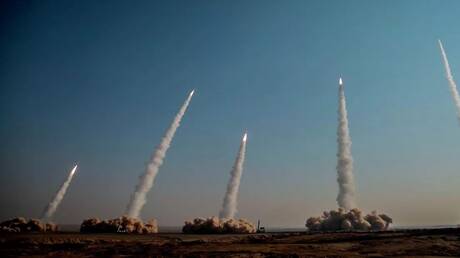
In a controversial incident, Iran shot down an F-15E Strike Eagle on April 3, 2026, which is considered the backbone of the U.S. Air Force since the Gulf War. This event reflects a notable escalation in the military conflict between Iran and the United States, raising questions about the future of relations between the two countries.
The F-15E Strike Eagle is one of the most advanced fighter jets in the world, designed for multi-role capabilities, enabling it to conduct complex air operations. Its downing represents a significant blow to American military capability and reflects a development in Iranian defensive capabilities.
Details of the Incident
This incident occurs at a time when the Middle East is experiencing increasing tensions, with conflicts intensifying in several regions, including Iraq and Syria. Reports indicate that Iranian anti-aircraft missiles successfully targeted the American fighter jet while it was conducting routine operations in regional airspace.
This is not the first incident of its kind, as recent years have seen a rise in mutual attacks between American and Iranian forces. This military escalation reflects the ongoing tensions between the two sides and heightens concerns about the outbreak of a wider conflict in the region.
Background & Context
Historically, relations between Iran and the United States have been strained since the Islamic Revolution in 1979. Economic and political sanctions imposed on Iran by the United States have exacerbated the situation, making any potential military escalation a possibility. Additionally, the presence of American forces in the region heightens Iran's state of alert, as it seeks to assert its military strength.
In recent years, Iran has significantly developed its military capabilities, including enhancing its air defense systems and missile technology. This development reflects Iran's strategy to counter external threats and complicates the security landscape in the region.
Impact & Consequences
The downing of the American fighter jet could lead to greater military escalation, as the United States may take retaliatory actions. This could increase tensions in the region and affect overall regional stability. Furthermore, the incident may impact international relations, as major powers will closely monitor American and Iranian responses.
The economic repercussions could also be significant, as any military escalation might lead to rising oil prices, impacting the global economy. Neighboring countries to Iran may feel concerned about the rising tensions, prompting them to take precautionary measures.
Regional Significance
For Arab countries, this military escalation may lead to a reassessment of their security and military strategies. Countries with ties to the United States may be worried about American reactions, while other nations in the region might see this escalation as an opportunity to enhance their influence.
Ultimately, the downing of the F-15E Strike Eagle represents a turning point in the conflict between Iran and the United States, reflecting the increasing tensions in the region. The current situation requires careful monitoring by the international community, as any further escalation could lead to unforeseen consequences.