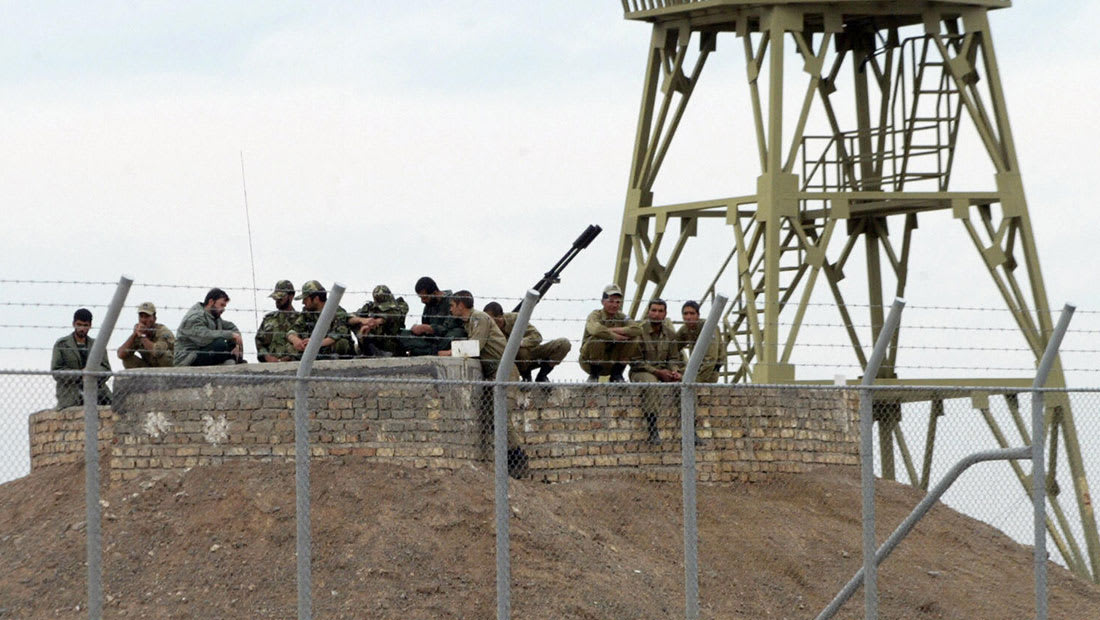
The Iranian army disclosed its success in downing an armed drone that was planning to conduct operations over Tehran, as reported by the 'Tasnim' news agency. Officials in the army explained that the drone was connected to American and Israeli forces, although there has been no independent confirmation of these claims.
The Iranian armed forces confirmed that they have destroyed 127 drones recently, indicating a rising level of tension in the region. These statements coincided with Israel's announcement of a new wave of airstrikes targeting sites in Tehran, with local residents reporting multiple explosions throughout the city.
This escalation comes amid ongoing tensions between Iran and Israel, where the region is seeing multiple conflicts attributed partially to the ongoing conflict in Syria and Israeli military interventions there. For years, Israel has maintained an adversarial position towards Iran's growing influence in the Middle East, considering it a direct threat to its national security.
The history of Iranian-Israeli relations has undergone multiple transformations; relations were close before the 1979 revolution, but drastically changed after the Islamic revolution that led to the severing of diplomatic relations between the two sides. Since then, Iran has been considered one of Israel's prominent adversaries, frequently expressed through its leaders’ statements and military actions.
This incident is part of a broader landscape involving complex geopolitical conflicts that include many active players, such as the United States, Russia, and Turkey, adding additional layers of complexity to the region. The current escalation may lead to new shifts in Iran's military strategy, particularly in light of increasing threats from Israel.
Recent reports have noted that Israeli military operations against Iranian targets have ceased amidst intensified airstrike campaigns, as Tel Aviv attempts to thwart any potential strikes against its interests. This indicates that regional escalation could herald further crises, especially with ongoing reports about Iran's attempts to enhance its military capabilities and manufacture more drones.
This incident poses a significant challenge to Iran's internal security, as the government seeks to maintain stability amid rising tensions. It also highlights U.S. military support for Israel, represented by the equipment and technology used in its military operations.
For Arab countries, recent events underscore the need to pay attention to the military escalation between Iran and Israel and the potential repercussions that could arise. These tensions reflect the image of Israel's military capabilities and effectiveness, raising concerns among many Arab nations that seek to safeguard their interests in the face of various regional threats.
The current period seems to mark the beginning of a new phase of escalation in the Middle East, a phase that might require Arab nations to reassess their strategies to confront upcoming security challenges.