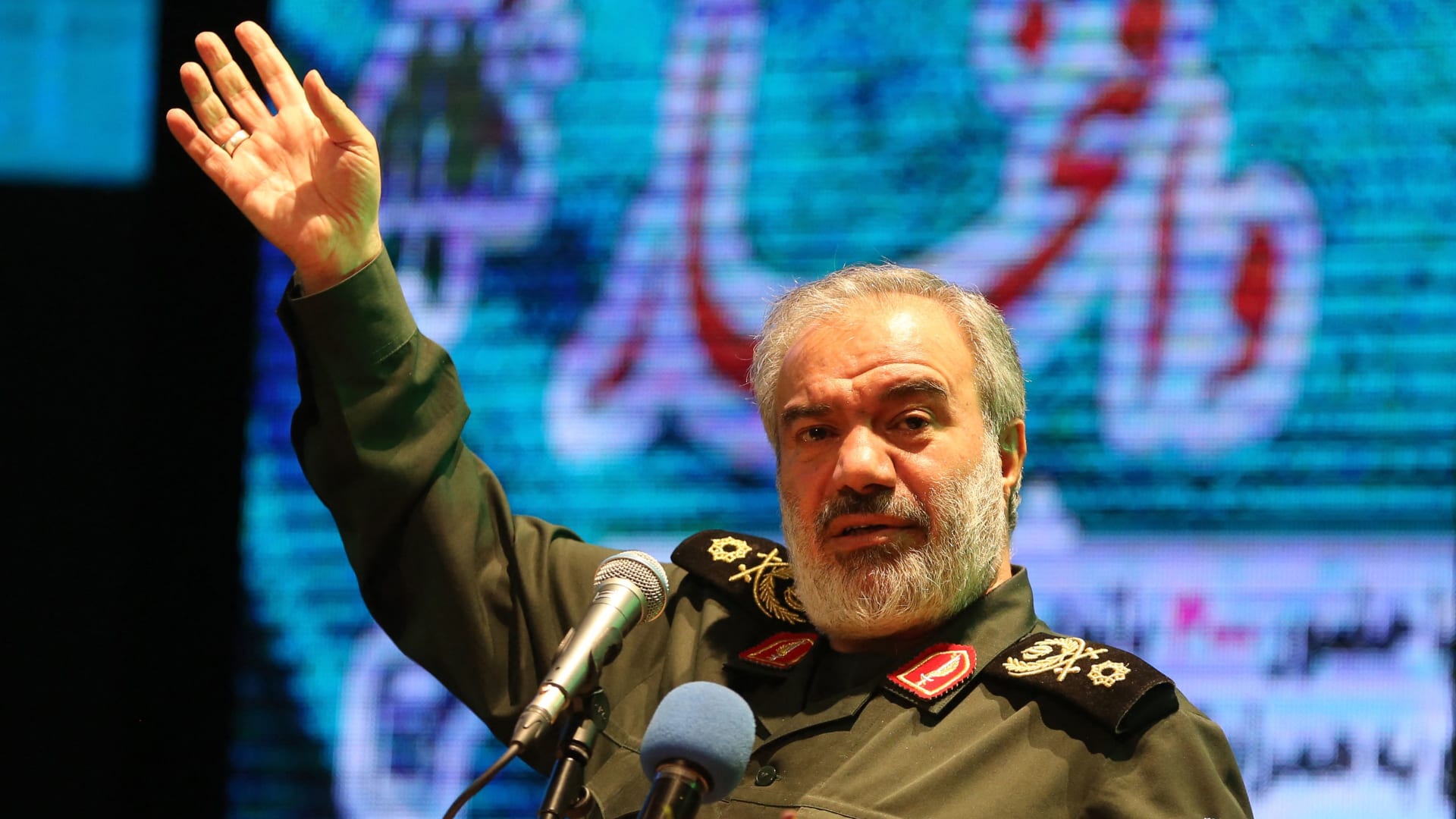
High-level sources in Tehran reported on Tuesday that Iran has taken steps to tighten its negotiating position with the United States, amid the growing influence of the Iranian Revolutionary Guard on the decision-making process in the country. The sources confirmed that Tehran will seek significant concessions from Washington if mediation efforts lead to the resumption of serious negotiations.
This development comes at a sensitive time, as the region witnesses escalating military and political tensions, complicating the negotiating landscape. Many observers note that the Revolutionary Guard, which is considered one of the main military arms of the Iranian regime, has gained greater influence over strategic decisions, especially since the onset of conflict in the region.
Details of the Situation
According to the sources, the Iranian Revolutionary Guard has pressured the government to adopt a stricter stance towards the United States, reflecting increased concerns about the impacts of war in the region on Iranian national security. This pressure has led to a shift in Iran's negotiating strategy, as it seeks concessions related to the sanctions imposed on it, in addition to other issues concerning its nuclear program.
This step is part of a broader strategy aimed at strengthening Iran's position in any future negotiations, as Tehran seeks to exploit current circumstances to achieve political and economic gains. It appears that Iran hopes these pressures will lead to a change in the U.S. stance, potentially opening the door for new negotiations.
Background & Context
Historically, Iranian-American relations have seen increasing tensions since the United States withdrew from the nuclear agreement in 2018. Since then, Washington has imposed a series of economic sanctions on Tehran, significantly impacting the Iranian economy. In this context, the Revolutionary Guard seeks to bolster its position by emphasizing the importance of military power as a means to defend Iranian interests.
Moreover, the war in the region, particularly the conflicts in Syria and Iraq, has complicated relations between Iran and the United States. Iran aims to enhance its influence in these areas, which conflicts with U.S. interests and exacerbates tensions between the two sides.
Impact & Consequences
If Iran continues to tighten its negotiating position, this could exacerbate conditions in the region and increase military tensions. Any failure to reach an agreement could lead to a new escalation in conflict, negatively impacting regional and international security.
On the other hand, these developments may affect global markets, particularly in the energy sector, where any escalation in conflict could lead to rising oil prices. Consequently, these dynamics could impact the global economy as a whole.
Regional Significance
Neighboring Arab countries find themselves in a precarious position, as any escalation in tensions between Iran and the United States could have direct effects on their security and stability. These developments may also reshape political alliances in the region, as some countries may seek to strengthen their ties with Washington in the face of increasing Iranian influence.
In conclusion, Iran's tightening of its negotiating position poses a significant challenge to diplomatic efforts aimed at achieving stability in the region. It seems that the Iranian Revolutionary Guard plays a pivotal role in shaping these dynamics, further complicating the political landscape in the Middle East.