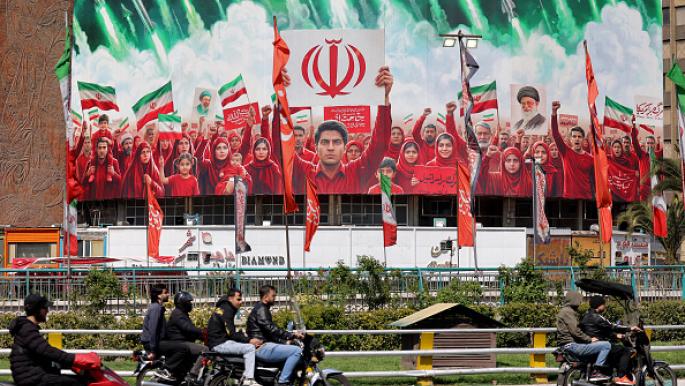
Iran submitted its response to U.S. President Donald Trump's 15-point peace plan to Pakistan on Monday, aiming to resolve the ongoing conflict. This move follows two weeks after Tehran received the American proposal, highlighting Pakistan's role as a mediator in this complex issue.
Trump's proposed plan includes a series of points aimed at achieving peace in the region, but Iran's response may contain new positions that could affect the course of negotiations. Pakistan is expected to announce the details of Iran's response in the coming days, which may provide indicators regarding the possibility of reaching a comprehensive agreement.
Details of the Event
The delivery of Iran's response comes at a sensitive time, as international pressure on Tehran to comply with global demands is increasing. Iranian officials have indicated that the response includes ten points, which may be considered new proposals aimed at ending the ongoing conflict. It is believed that these points may address issues related to regional security, Iran's nuclear program, and relations with neighboring countries.
The upcoming negotiations are expected to involve discussions on how to implement these points and the extent of the United States' and other countries' responses to them. There are also questions about the seriousness of the parties involved in reaching a lasting solution.
Background & Context
The roots of the ongoing conflict between Iran and the United States stretch back many years, with tensions between the two countries escalating since Washington withdrew from the nuclear agreement in 2018. These tensions have led to military escalations in the region, increasing fears of a full-scale war.
Pakistan is considered a key player in this equation, as it seeks to enhance its role as a mediator in regional disputes. Pakistan has played a role in previous attempts to reach an agreement between Iran and Western countries, making it an important starting point in these negotiations.
Impact & Consequences
If an agreement is reached between Iran and the United States based on Iran's response, it could lead to a de-escalation of tensions in the region, positively reflecting on regional security. Additionally, this could open the door for Iran to restore its relations with Western countries, potentially contributing to an improvement in the country's economic situation.
Conversely, if negotiations fail, the situation may worsen, increasing the likelihood of military escalation. Any failure to reach an agreement could strengthen the position of hardliners within Iran, potentially hindering future efforts to achieve peaceful solutions.
Regional Significance
Developments in Iranian-American relations significantly impact Arab countries, especially those sharing borders with Iran. Ongoing tensions could destabilize the region, threatening the national security of Arab states.
At the same time, any improvement in relations between Iran and the United States could reshape alliances in the region, affecting ongoing conflicts in Syria, Iraq, and Yemen. Therefore, monitoring these negotiations is crucial for understanding the future of the region.