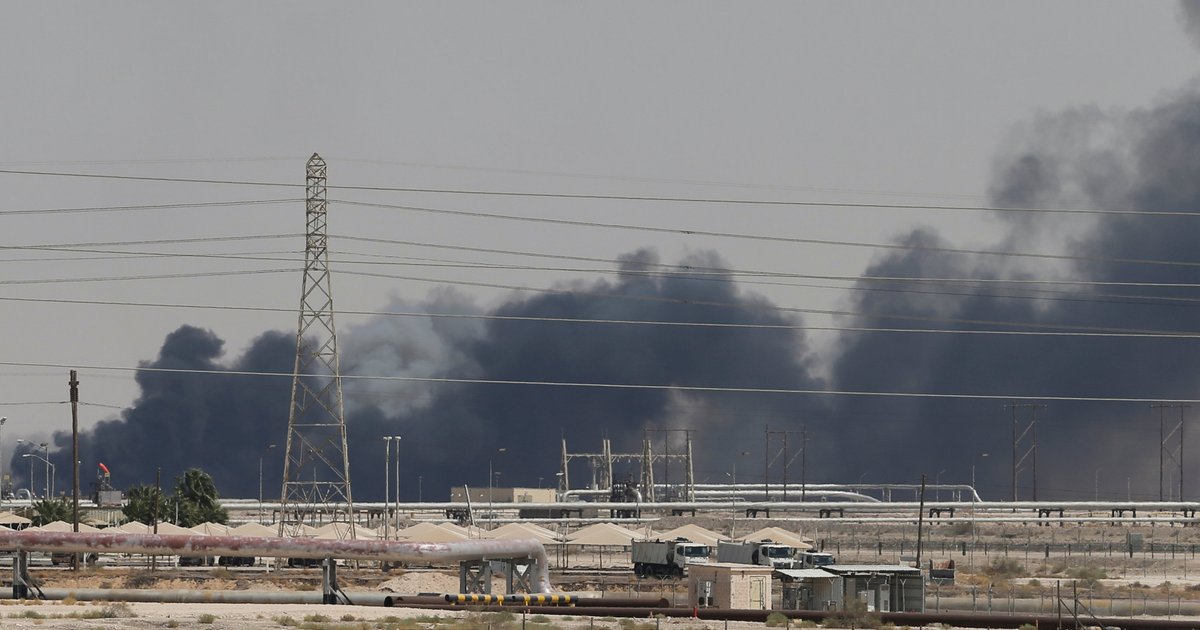
Critical facilities in Kuwait, including a power station and a desalination plant, suffered significant damage due to an Iranian attack. The attack, which occurred late last night, resulted in the destruction of part of the vital infrastructure that citizens rely on to secure their basic needs for energy and water.
According to official sources, the attack directly targeted the service buildings associated with the power station and the desalination plant, leading to service interruptions in several areas. Kuwaiti authorities confirmed they are working to assess the damage and restore services as quickly as possible.
Details of the Incident
The Iranian attack comes amid escalating tensions between Iran and Gulf countries, with hostilities increasing recently. Reports indicate that the attack was carried out using drones, a method that has become common in modern conflicts. Initial images of the damage show that the attack inflicted severe harm on vital facilities, raising concerns about Kuwait's ability to secure its energy and water needs in the near future.
As Kuwait seeks to enhance its infrastructure, this attack complicates the security situation in the region. The Kuwaiti government has declared a state of emergency in some areas to ensure the safety of citizens and restore essential services.
Background & Context
Historically, the region has witnessed numerous conflicts involving Iran, with Kuwait always in a sensitive position due to its geographical proximity to Iran. Since the Iranian Revolution in 1979, relations between Kuwait and Iran have fluctuated, with Kuwait being an ally of the United States in countering Iranian influence in the region.
Over the years, Kuwait has faced multiple threats from Iran, including security and economic threats. The recent attack marks a serious escalation in this tense relationship and reflects the ongoing challenges Kuwait faces in maintaining its security and stability.
Impact & Consequences
The Iranian attack on vital facilities in Kuwait could have significant implications for regional security. This attack is likely to increase tensions between Kuwait and Iran, potentially necessitating international or regional interventions. Additionally, the damage to infrastructure may impact the Kuwaiti economy, as the country heavily relies on energy and water to meet its daily needs.
Furthermore, this attack may raise concerns among neighboring countries, possibly leading to military or diplomatic responses from other Gulf states. Security measures in the region are expected to intensify, which could affect trade and tourism.
Regional Significance
The Iranian attack on Kuwait serves as a wake-up call for other Arab countries, reflecting the increasing threats facing the region. Amid the tense situation, Arab nations may seek to bolster their security cooperation to address common challenges.
This attack could also affect relations between Arab countries and Iran, potentially widening the gap between the two sides. It is crucial for Arab nations to take proactive steps to protect their interests and security, especially in light of the rising hostilities in the region.
In conclusion, the Iranian attack on Kuwait represents a turning point in regional relations and reflects the security challenges facing Arab countries. It is essential to make efforts to enhance regional cooperation to confront these threats and ensure the stability of the region.