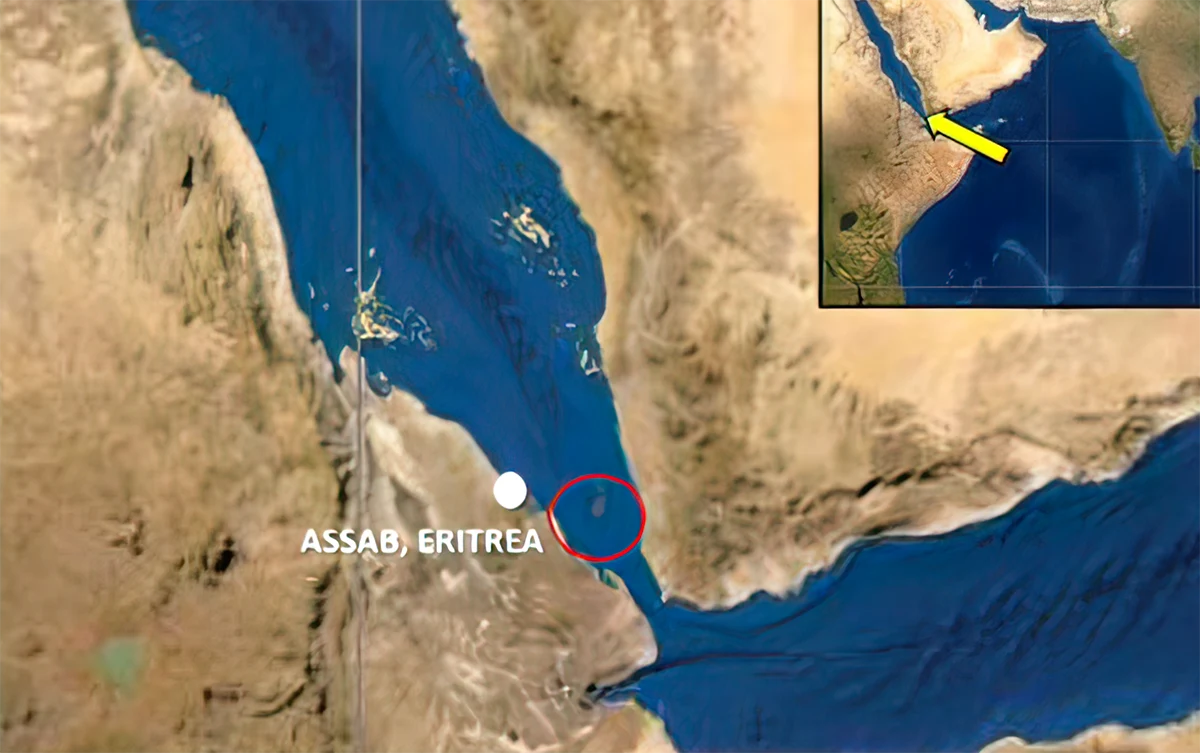
Iran threatened on Sunday to close the Bab el-Mandeb Strait along with the Strait of Hormuz if U.S. President Donald Trump acts on his threats to attack the country's energy infrastructure. Ali Akbar Velayati, advisor to Iranian leader Ali Khamenei, stated in a post on 'X' that 'the unified command room of the resistance front views Bab el-Mandeb as it views Hormuz.'
These statements come at a sensitive time when the region is experiencing increasing tensions, with fears of military escalation that could impact navigation in one of the world's most important maritime corridors. The Strait of Hormuz and Bab el-Mandeb are considered strategic points through which a significant percentage of global oil supplies pass.
Details of the Event
In his remarks, Velayati emphasized that any aggression against Iran would be met with a strong response from the resistance front, indicating that Iran would not hesitate to take strict measures to protect its interests. These threats coincide with escalating tensions between Iran and the United States, especially following Trump's recent statements threatening to target Iranian oil facilities.
The Bab el-Mandeb Strait, which connects the Red Sea to the Gulf of Aden, is a vital point for international trade, with approximately 10% of global trade passing through it. Meanwhile, the Strait of Hormuz is the main route for transporting oil from Gulf countries to global markets, making it a strategic target in any potential conflict.
Background & Context
Historically, the region has witnessed numerous crises due to political and military conflicts, with Iran always at the center of these tensions. Since the United States withdrew from the Iranian nuclear deal in 2018, tensions between Tehran and Washington have escalated, leading to a series of military and economic escalations.
Iran's threats to close the Bab el-Mandeb Strait are part of its strategy to defend its interests against U.S. pressures. Iran has previously closed the Strait of Hormuz at times, leading to spikes in oil prices and increased international tensions.
Impact & Consequences
If Iran's threats are carried out, it could lead to severe consequences for the global economy, significantly affecting oil prices and potentially increasing tensions among major powers. Additionally, closing these vital maritime corridors would impact global trade flows, potentially causing economic crises in many countries.
Furthermore, any military escalation in the region could lead to international interventions, complicating the security situation further. Gulf countries, in particular, could be affected, as their economies heavily rely on oil exports.
Regional Significance
Iran's threats serve as a wake-up call for Arab nations, highlighting the need to enhance security and economic cooperation to face potential challenges. These tensions may also exacerbate divisions among Arab countries, as their positions on Iran and the United States differ.
Ultimately, the situation in the region remains complex and requires intensive diplomatic efforts to avoid military escalation and maintain stability. The mutual threats between Iran and the United States could drag the region into new crises, necessitating clear and unified positions from Arab nations.