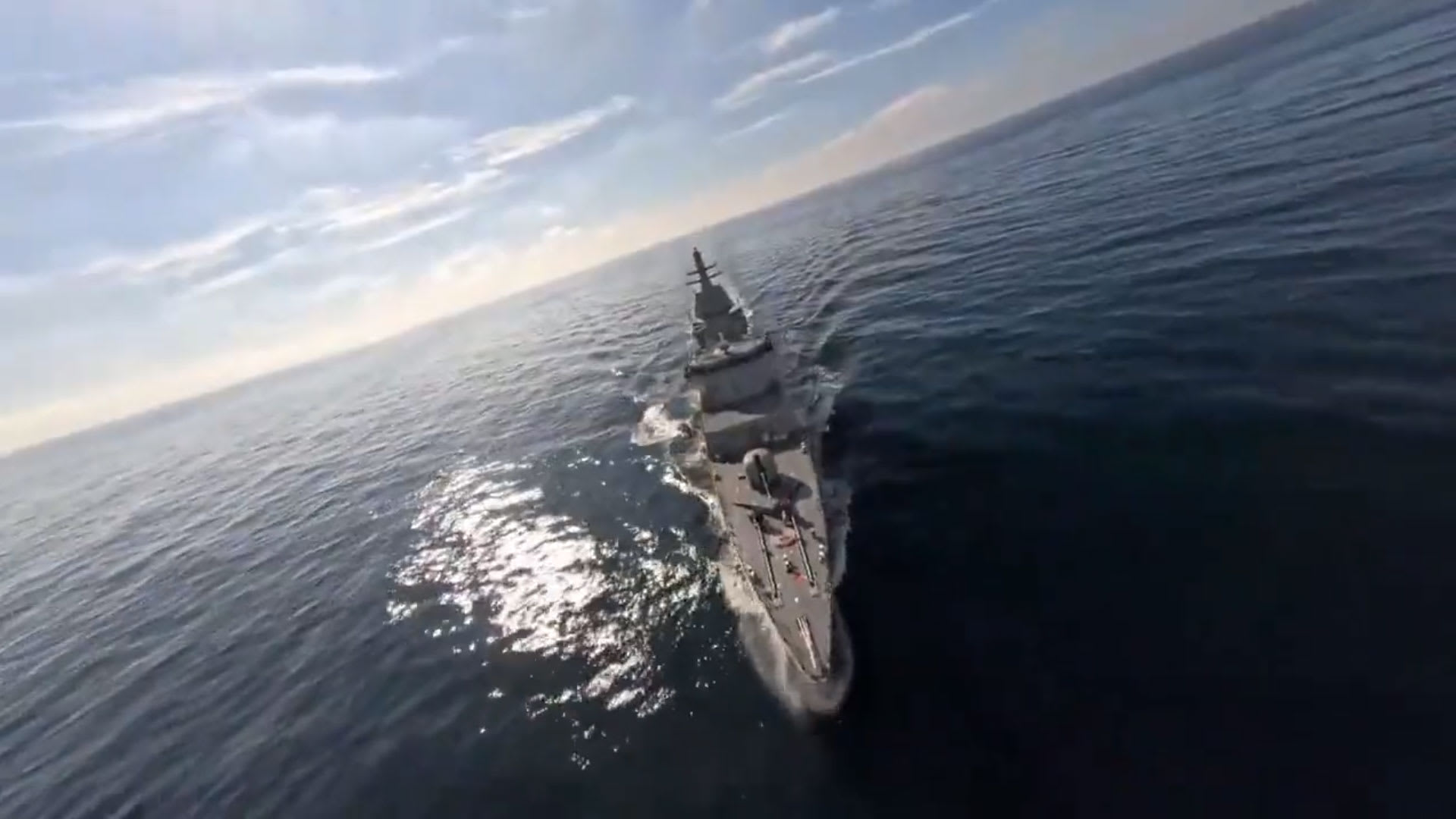
The Iranian Supreme Defense Council has warned of taking severe action by mining all maritime passages in the Arabian Gulf in response to any aggression the country may face. The council emphasized that these measures are in defense of the sovereignty of the Islamic Republic and in preparation for any threats to its coasts or islands.
These statements from the council come after warnings from U.S. President Donald Trump, who indicated the United States' intention to target Iranian power stations if Tehran does not implement an "inclusive" opening of the Strait of Hormuz in the coming days. This warning raises concerns about escalating tensions in the region, where the Strait of Hormuz is a critical focal point for oil transit and maritime navigation.
Recent Escalations and Military Posturing
In a strongly worded announcement, the Iranian National Defense Council stated that "all routes and maritime passages in the Arabian Gulf may be mined if we feel that there is a threat to our territories." This phrase encapsulates the rapid escalation of tensions in the region, as Iran continues to bolster its military capabilities in light of what it perceives as threats from the United States and its allies.
These statements are not new, as recent years have seen increased tensions between Iran and the United States, particularly following the Trump administration's withdrawal from the nuclear deal in 2018. This withdrawal led to tighter economic sanctions on Iran, adversely affecting its economy and pushing it towards unconventional steps in its military policies.
Background & Context
The history of tension between Iran and the United States spans several decades, with significant events in the 1970s reshaping the balance of power in the region. From the revolution led by the young radicals in 1979 to Iran's expansion in the Middle East, Tehran today seeks to maintain its influence amid Western maneuvers. Resorting to threats of mining maritime passages reflects the strategic importance of the Islamic Republic in protecting its trade routes and oil arteries.
In recent years, Iran has indicated an increase in its military activities, showcasing its military capabilities through naval exercises aimed at controlling the Gulf region. This type of military escalation reflects Iran's sense of challenge in the face of international and American pressures.
Impact & Consequences
The ramifications of these statements could be severe, as any actual steps by Iran to mine maritime passages will significantly heighten tensions in the region and may affect global shipping routes. Consequently, the international community would be compelled to intervene to contain the crisis and ensure navigation safety.
Furthermore, these tensions could influence global oil prices, as the Arabian Gulf is one of the most critical oil transit passages. Any deterioration in conditions there could lead to rising oil prices, which would reverberate throughout global markets and increase pressures on the economies of oil-dependent nations.
Regional Significance
The Arab region, particularly the Gulf states, is considered the most affected by these tensions, where numerous Western military forces are stationed. Any escalation affecting the Strait of Hormuz will have a direct impact on the economies of those countries, as well as increase security risks that could threaten maritime safety.
On another front, this situation may lead some Arab states to reassess their military strategies, particularly those with strategic relationships with the United States, potentially forming new alliances aimed at facing shared challenges in the region.