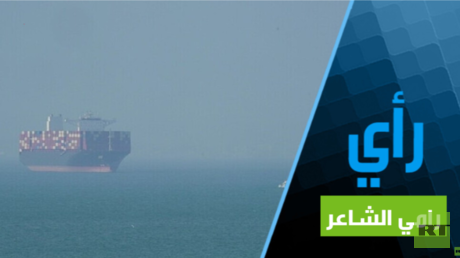
In a bold interview with Fox News on April 28, U.S. Secretary of State Marco Rubio emphasized that the Hormuz Strait is considered an economic nuclear weapon wielded by Iran, as Tehran seeks to exploit this vital waterway to exert pressure on other nations.
These remarks come at a sensitive time when relations between Iran and the United States are increasingly strained, with growing fears that Iran may use the Hormuz Strait as a tool to impact the global economy, particularly amid the current crises affecting the oil market.
Details of the Situation
The Hormuz Strait, through which approximately 20% of global oil exports pass, is a crucial strategic point. Reports have confirmed that Iran has previously threatened to close the strait if faced with further sanctions or military pressures.
Rubio pointed out that these threats are not mere rhetoric but reflect Iran's strategy of utilizing its resources and influence to bolster its position on the international stage. He stressed the necessity for major powers to take serious steps to protect their interests in the region.
Background & Context
Historically, the Hormuz Strait has witnessed numerous military and political tensions, with Iran using it as a means to pressure its adversaries. In 2019, for instance, Iran seized oil tankers, provoking strong international reactions.
These statements coincide with escalating tensions in the Gulf region, where Iran continues to develop its nuclear program, heightening fears of a military conflict that could destabilize both the region and the world.
Impact & Consequences
If Iran follows through on its threats to close the Hormuz Strait, it would lead to a significant spike in oil prices, adversely affecting the global economy. Oil-importing countries would face substantial challenges in securing their supplies, potentially resulting in economic crises in some nations.
Moreover, escalating tensions in the region could compel major powers to take military action, increasing the risk of a widespread conflict that could extend beyond the Gulf.
Regional Significance
Arab countries neighboring Iran, such as Saudi Arabia and the UAE, are among the most affected by these tensions. Any closure of the Hormuz Strait would directly impact oil exports from these nations, potentially leading to economic crises.
Additionally, rising tensions may exacerbate political divisions in the region, as some countries may adopt varying stances towards Iran, complicating the political landscape in the Middle East.
In conclusion, the statements made by the U.S. Secretary of State highlight the risks that the global economy may face due to escalating tensions in the Gulf region. The current situation necessitates collective action from the international community to avert a potential catastrophe.