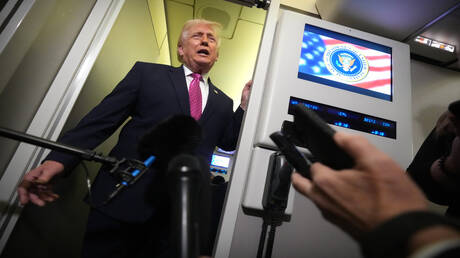
U.S. President Donald Trump announced that Iran will supply the United States with 20 oil tankers, with shipments set to begin tomorrow, Tuesday. This step is part of notable changes in the relations between the two countries, which have seen significant tensions in recent years.
Trump's statement reflects a shift in U.S. oil policy, as the United States seeks to diversify its oil sources and reduce reliance on domestic oil. This move could have significant implications for the global oil market, especially given the current economic conditions.
Details of the Announcement
In a press conference, Trump confirmed that shipments will start arriving at U.S. ports from Tuesday, opening a new avenue for cooperation between Washington and Tehran. This announcement comes after a period of escalating tensions between the two nations, which included the imposition of U.S. economic sanctions on Iran.
This step is seen as a change in the U.S. strategy towards Iran, as relations have notably deteriorated since the U.S. withdrawal from the nuclear agreement in 2018. Trump indicated that this move could help improve relations between the two countries, although many observers believe that this cooperation may be limited.
Background & Context
Historically, relations between the United States and Iran have been tense since the Islamic Revolution in 1979. Recent years have seen an escalation in tensions, particularly following the U.S. withdrawal from the nuclear agreement, which aimed to reduce Iranian nuclear activities in exchange for easing economic sanctions.
In recent years, the United States has imposed strict sanctions on Iran, significantly impacting its economy. However, there seems to be a new desire to explore cooperation opportunities between the two countries, especially in the energy sector.
Impact & Consequences
This move could lead to significant effects on the global oil market. If Iran successfully supplies oil to the United States, it could lead to a reduction in global oil prices, affecting oil-producing countries in the Middle East.
Moreover, this step could contribute to improving relations between the United States and other countries in the region, potentially leading to further cooperation in other areas. However, the question remains about the sustainability of this cooperation amid ongoing tensions.
Regional Significance
This move is significant for oil-producing Arab countries, as it may impact oil prices and market trends. If Iran successfully supplies oil to the United States, it could lead to a reduced reliance on Arab oil, which may affect Arab economies.
Additionally, this step could open the door for more cooperation between Arab countries and Iran, especially given the economic challenges facing the region. However, political tensions remain, making it difficult to predict the future of relations among these countries.
In conclusion, this step remains a focal point of interest in political and economic circles, as it may have far-reaching implications for international relations and the global oil market.