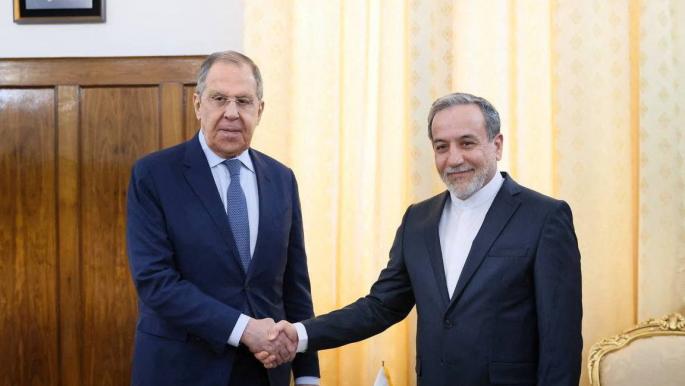
Iranian Foreign Minister Abbas Araghchi urged Russia on Thursday evening not to support any potential resolution in the UN Security Council against his country. This came during a phone call with Russian Foreign Minister Sergey Lavrov, where they discussed the latest regional and international developments.
This move is part of Iran's efforts to strengthen its relations with Russia amid increasing international pressures, particularly concerning its nuclear program.
Details of the Call
During the phone conversation, Araghchi emphasized the importance of cooperation between the two countries in facing shared challenges, noting that any resolution from the Security Council could negatively impact stability in the region. The two sides also addressed issues related to regional security, including the situation in Syria and Afghanistan.
Araghchi, who serves as Iran's Deputy Foreign Minister, indicated that Iran hopes Russia will play an effective role in preventing any moves that could escalate tensions in the region. For his part, Lavrov stressed the importance of dialogue and cooperation among nations to address global challenges.
Context and Background
This call comes at a sensitive time for Iran, which faces increasing international pressures due to its nuclear program, viewed by the West as a threat to regional and international security. In recent years, the United States has imposed stringent sanctions on Tehran, significantly impacting its economy.
Furthermore, Iranian-Russian relations have seen notable developments in recent years, as both sides seek to enhance cooperation in various fields, including energy and security. This cooperation occurs amid rising tensions between Russia and the West, making Iran a strategic partner for Moscow.
Potential Consequences and Impact
If a resolution against Iran is issued by the Security Council, it could exacerbate conditions in the region and heighten tensions between Tehran and Western countries. Any move by the Security Council could prompt Iran to take escalatory steps, such as resuming uranium enrichment activities more aggressively.
These dynamics are significant not only for Iran and Russia but also for neighboring countries, as they may affect security and stability across the entire region. Additionally, any escalation in the situation could have economic and political repercussions for neighboring Arab states.
Impact on the Arab Region
The Iranian-Russian relationship holds particular importance for Arab countries, as it may influence regional balances. Amid ongoing tensions between Iran and Arab states, the strengthening of cooperation between Tehran and Moscow could increase concerns in some Arab capitals.
It is crucial for Arab countries to closely monitor developments in these relations, as any escalation could impact regional security and increase tensions in areas such as the Arabian Gulf.
In conclusion, the question remains as to how the international community will respond to these developments and whether Russia will heed Iran's request and prevent any resolution against it in the Security Council. These dynamics will continue to attract significant attention in the coming days.