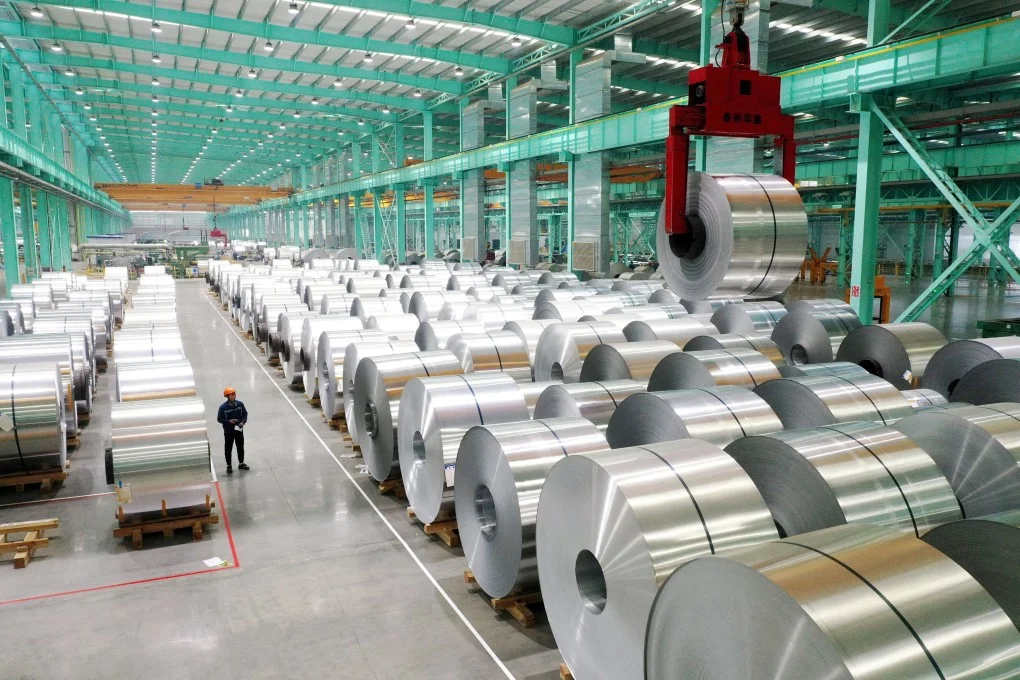
Global aluminum markets face significant shocks following Iranian attacks on key smelters in the Gulf, potentially shifting production towards China in the near future. The strikes targeting the Emirates Global Aluminum and Bahrain smelters raise widespread concerns about supply stability.
The Emirates Global Aluminum, a leading company in this sector, reported severe damage to its facility in Abu Dhabi due to attacks carried out by Iran using missiles and drones. Meanwhile, Aluminum Bahrain announced it is assessing the damage to its smelter, further increasing market uncertainty.
Details of the Attacks
The Iranian attacks occurred at a sensitive time, as the global market is already suffering from supply shortages due to consecutive economic and political crises. Analysts have confirmed that these attacks could lead to increased reliance on Chinese production, which is one of the largest aluminum producers in the world.
The UAE and Bahrain are among the prominent aluminum-producing countries in the Gulf region, and this industry has significantly contributed to the economic growth of both nations. With rising tensions in the region, it is becoming evident that these attacks could greatly impact market stability.
Background & Context
Historically, the Gulf region has witnessed multiple political and military tensions, with Iran always being a key player in these dynamics. The recent attacks come amid an ongoing escalation between Iran and Arab countries, complicating the economic landscape in the region.
The aluminum industry is a vital part of the Gulf economy, providing job opportunities and contributing to economic diversification. However, any threat to this industry could have negative repercussions on overall economic growth.
Impact & Consequences
Analysts expect these attacks to lead to a rise in global aluminum prices, as supply shortages will increase demand for Chinese production. China, which has the capacity to meet global demand, may benefit from this situation to strengthen its market position.
Moreover, these events may prompt global companies in the aluminum sector to reassess their strategies, as they may seek to diversify their sources and reduce reliance on production in troubled regions.
Regional Significance
These attacks serve as a wake-up call for other Arab countries, as they must enhance their industrial and trade security. Additionally, these events could lead to increased cooperation among Arab nations to address shared challenges.
In conclusion, the Iranian attacks on aluminum smelters in the Gulf represent a turning point in the global aluminum industry, necessitating urgent measures from Arab countries to ensure the stability of their markets and protect their economic interests.