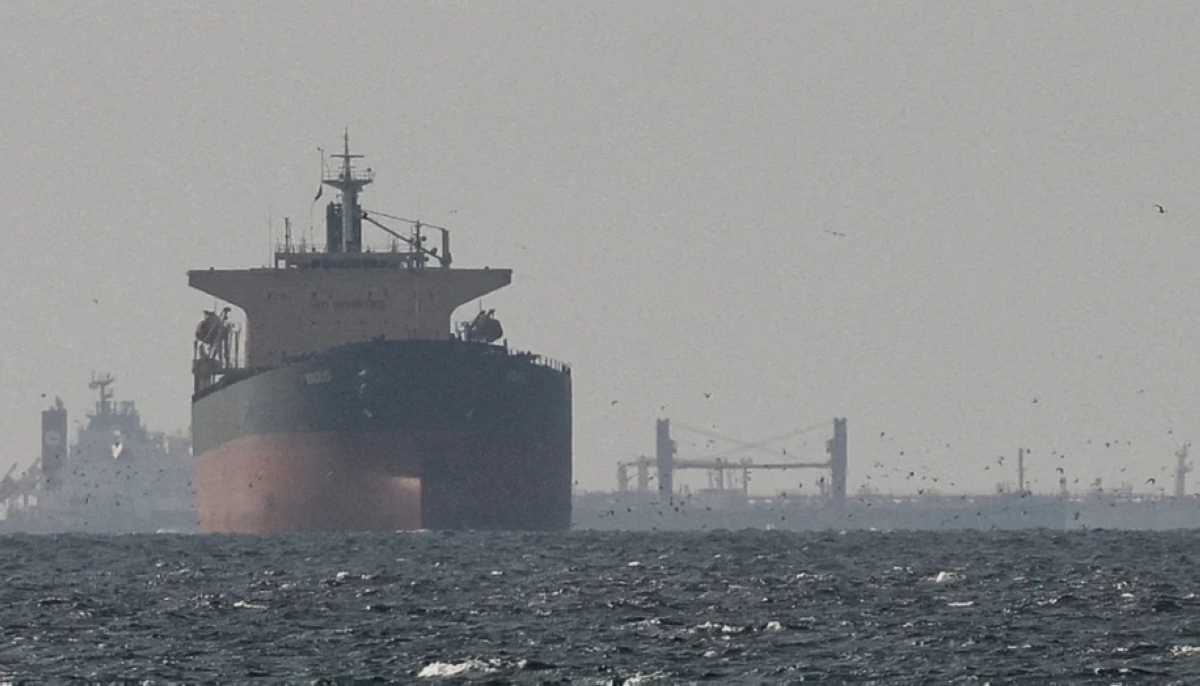
A Kuwaiti oil tanker named 'Al-Salmi' was attacked by an Iranian drone in Dubai waters on Tuesday morning, resulting in a fire on the vessel. The attack, which occurred approximately 31 nautical miles northwest of Dubai, is the latest in a series of assaults targeting commercial ships in the Gulf and the Strait of Hormuz, following attacks carried out by the United States and Israel on Iran on February 28.
The Kuwaiti oil company, which owns the tanker, reported that the attack caused damage to the ship's structure; however, authorities in Dubai managed to control the fire shortly after the incident. There were no recorded oil leaks or injuries among the 24 crew members, who confirmed their safety after the incident.
Details of the Incident
The attack on the 'Al-Salmi' tanker comes at a sensitive time, as the region experiences escalating tensions between Iran and the United States and its allies. The Kuwaiti oil company warned of the potential for an oil spill as a result of the attack, which could lead to serious environmental repercussions. The incident was reported by the official Kuwaiti news agency 'KUNA', which confirmed that the tanker was anchored in Dubai's territorial waters when it was attacked.
This incident is part of a growing pattern of attacks on commercial vessels, with Iran utilizing drones and missiles to target ships in the region. This situation has raised international concerns regarding the security of navigation in the Gulf, which is one of the world's most important maritime corridors.
Background & Context
Historically, the Gulf region has witnessed ongoing tensions due to political and military disputes, particularly between Iran and the United States. Since the U.S. withdrawal from the nuclear deal with Iran in 2018, tensions have significantly escalated, leading to a series of retaliatory attacks between the two sides. These tensions have heightened fears regarding the security of navigation in the Strait of Hormuz, through which approximately 20% of the world's oil passes.
In recent years, Iran has targeted several commercial vessels, prompting major powers to bolster their military presence in the region. These conditions have led to increasing calls from the international community to ensure maritime safety and avoid military escalation.
Impact & Consequences
The attack on the 'Al-Salmi' tanker may have wide-ranging implications for global oil markets. Any escalation in tensions could lead to rising oil prices, as the global economy heavily relies on oil supplies from the Gulf region. Additionally, this attack may strengthen the position of countries advocating for enhanced maritime security in the area, potentially leading to an increase in foreign military presence.
Moreover, this attack could impact relations between Kuwait and Iran, as Kuwait may call for stringent measures against assaults on its commercial vessels. The incident may also raise greater concerns among other Arab nations that depend on navigation in the Gulf.
Regional Significance
This incident serves as a wake-up call for other Arab nations that rely on maritime trade. Any escalation in tensions could disrupt trade flows and increase shipping costs. Furthermore, the incident reflects the urgent need for cooperation among Arab nations to ensure maritime security in the region.
In conclusion, the attack on the 'Al-Salmi' tanker is a renewed reminder of the security challenges facing the Gulf region. As tensions continue to rise, the question remains how the involved nations will address these situations to ensure safe navigation and protect economic interests.