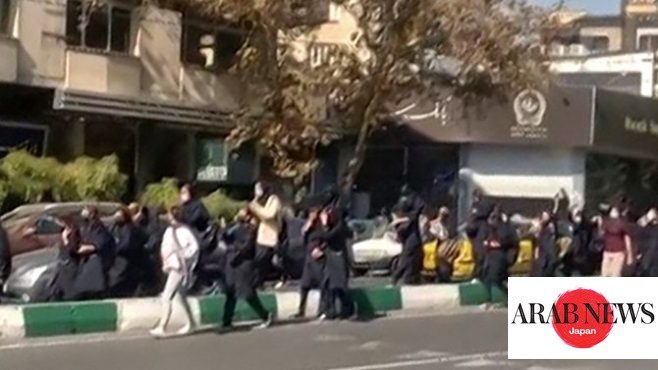
Iranian Foreign Minister Hussein Amir Abdollahian confirmed that the attack targeting a school in the city of Minab, which resulted in injuries among students, was intentional and not merely a 'miscalculation' as previously reported. These statements come in the context of escalating security tensions in Iran, where incidents targeting educational institutions have increased.
Abdollahian clarified that the attack represents an assault on children's rights and reflects an escalation in hostilities against the Iranian regime. He noted that the government will take all necessary measures to hold those responsible for this attack accountable, emphasizing the importance of protecting educational institutions from any assaults.
Details of the Incident
The attack occurred at a school in Minab, a city located in Hormozgan Province, where the school was bombarded, leading to injuries among several students. The incident sparked angry reactions from parents and civil society, who demanded a comprehensive investigation into the incident and accountability for the perpetrators.
This incident coincides with rising fears of escalating violence in the country, as Iran has witnessed numerous attacks targeting schools and universities in recent years, raising widespread concerns about the safety of students and teachers.
Background & Context
Historically, Iran has experienced many attacks targeting educational institutions, especially in areas suffering from political and social tensions. These incidents are often linked to internal conflicts or external interventions, complicating the security situation in the country.
In recent years, there has been an increase in terrorist operations targeting civilians, including students. This situation reflects the significant challenges faced by the Iranian government in maintaining security and stability, particularly amid the difficult economic conditions the country is experiencing.
Impact & Consequences
The attack on the school in Minab could have serious social and political repercussions. It may contribute to heightened tensions between the government and civil society, especially if effective measures are not taken to hold those responsible for the incident accountable.
Moreover, this attack could affect parents' trust in the educational system, potentially leading them to take precautionary measures to protect their children, such as reducing school hours or even transferring them to private schools. These steps could exacerbate the economic and social crises in the country.
Regional Significance
The attack on the school in Minab highlights the security challenges facing Iran, which may impact the stability of the region as a whole. Internal tensions in Iran could escalate crises in neighboring countries, especially given the complex relations between Iran and the Gulf Arab states.
Additionally, these incidents may heighten fears among Arab countries regarding the rise of violence and terrorism, prompting them to strengthen their security measures and regional cooperation to address these challenges.
In conclusion, the attack on the school in Minab marks a significant point in modern Iranian history, reflecting the substantial challenges the country faces in maintaining security and stability, and underscores the urgent need for steps to protect educational institutions and ensure the safety of students.