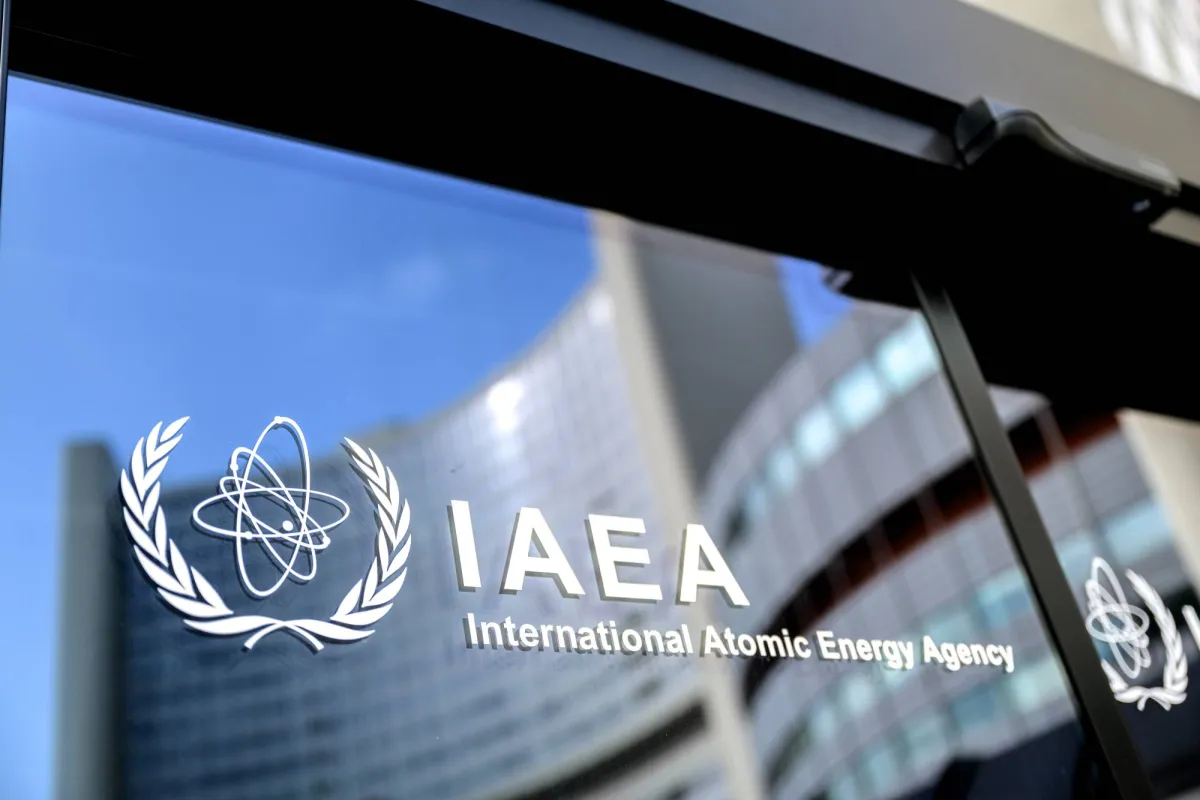
The International Atomic Energy Agency announced on Sunday that the Khondab heavy water production plant in Iran has ceased operations due to severe damage. The agency confirmed that the plant does not contain any declared nuclear materials, raising questions about the nature of the damage inflicted upon it.
This announcement comes two days after Iran confirmed that the plant was attacked, further escalating tensions in the region. The Khondab plant is considered one of the vital facilities in Iran's nuclear program, used for producing heavy water, a key component in certain types of nuclear reactors.
Details of the Incident
In its statement, the International Atomic Energy Agency emphasized that the damage to the Khondab plant necessitates a thorough investigation to determine the source and extent of the attack. This incident has raised concerns within the international community, particularly amidst increasing tensions between Iran and the United States and its allies.
On the other hand, Iranian officials have asserted that they will take all necessary measures to protect their nuclear facilities, indicating that any attack on their territory will not go unanswered. Iranian officials have expressed their readiness to confront any potential threats, reflecting the rising tensions in the region.
Background & Context
The Khondab plant is part of Iran's nuclear program, which has sparked widespread controversy on the international stage. Since 2015, Iran has been in a nuclear agreement with major powers, but the United States' withdrawal from the agreement in 2018 led to heightened tensions between Tehran and Washington. Relations between the two have notably deteriorated in recent years, amid increasing economic and military pressures.
It is worth noting that Iran has faced several attacks on its nuclear facilities in recent years, raising concerns about the potential for military conflict in the region. These attacks are seen as part of a psychological warfare campaign by certain countries against Iran, aimed at curbing its nuclear program.
Impact & Consequences
The halt of operations at the Khondab plant could have significant repercussions for Iran's nuclear program, as it may affect the production of heavy water necessary for operating some reactors. Additionally, this incident may exacerbate tensions between Iran and Western countries, bolstering the position of hardliners in Tehran who advocate for more stringent actions against any threats.
On the international stage, this incident could lead to increased pressure on Iran from the global community, particularly from the United States and its allies. We may witness renewed calls for sanctions against Tehran, which could further impact the already struggling Iranian economy.
Regional Significance
Arab countries are directly affected by the escalating tensions between Iran and the United States. As the conflict intensifies, concerns grow about its impact on regional security. Gulf states, in particular, are closely monitoring the situation, viewing Iran as a direct threat to their security.
Moreover, any military escalation could have negative repercussions on oil prices and financial markets in the region, affecting the Arab economy as a whole. Under these circumstances, Arab nations must take proactive steps to ensure their security and stability in the face of increasing challenges.
In conclusion, the halt of operations at the Khondab nuclear plant represents a significant event in the context of regional and international tensions, reflecting the challenges Iran faces in maintaining its nuclear program amid increasing pressures. The current situation requires careful monitoring and ongoing analysis to understand its potential implications for the region and the world.