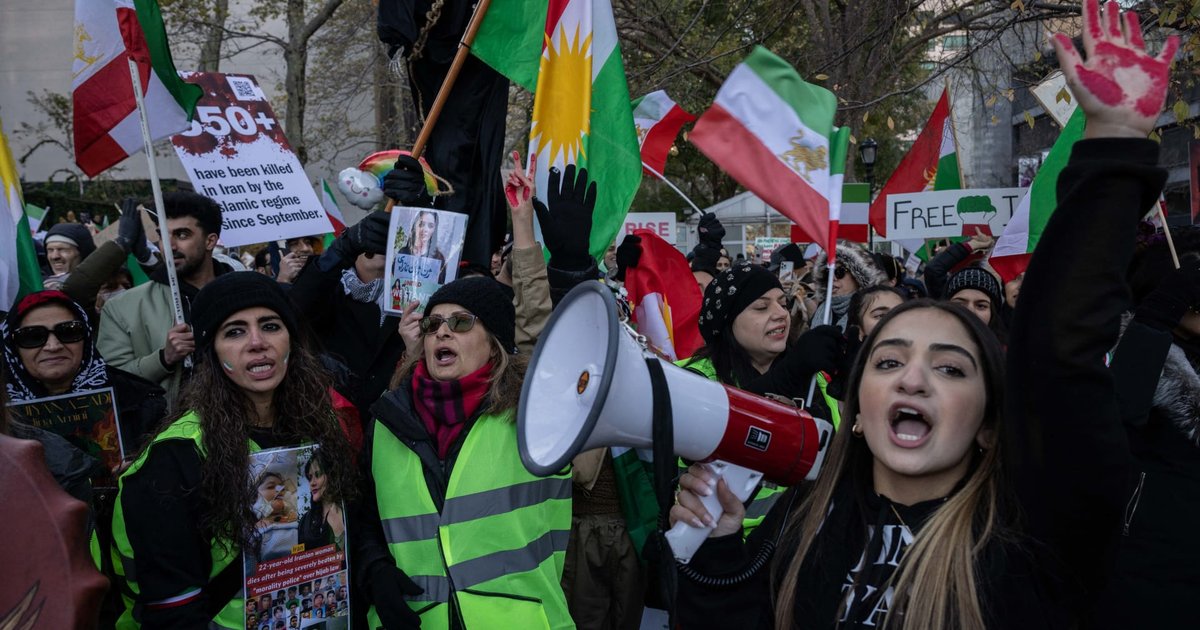
An Iranian Kurdish opposition leader has disclosed his forces' preparedness to carry out operations against the Iranian government, emphasizing that such a move hinges on obtaining military support from the United States. While former President Donald Trump initially expressed interest in this idea, sources within the current US administration have shown a retreat from this involvement, complicating the political landscape in the region.
The Kurdish leader expressed confidence that his forces possess the necessary capabilities to undertake ground operations against Tehran and are ready to mobilize as soon as they receive the green light from Washington. These statements come after years of political and economic pressure faced by Iran from global powers, leading to an escalation of tensions in the region overall.
Event Details
In an interview with the media, the Kurdish leader described the current situation in Iran as unsustainable, stressing the importance of international support to achieve the desired change. He confirmed that the Kurdish forces have allies within Iran who could assist in bolstering their military and political efforts against the regime.
He also pointed out that military options must be carefully considered, and the use of force should be executed in a way that strengthens their position on the international stage, with their primary goals being democratic change and peace in the region.
Background & Context
Historically, the relationship between Kurdish forces and the Tehran regime has been marked by ongoing tensions. Kurdish groups in Iran have long sought to secure their cultural and political rights, leading to conflicts with the regime. These conditions reflect broader regional conflicts involving several countries such as Iraq and Syria, where Kurdish forces play a pivotal role in achieving stability in those areas.
Over the years, Kurdish forces have also sought international support that could enhance their standing. They have faced numerous challenges over the past years, ranging from conflicts with the Iranian regime to tensions with neighboring countries.
Impact & Consequences
If ground operations are executed as suggested by the Kurdish leader, this could escalate tensions between the United States and Iran and potentially mark a turning point in American strategy in the region. Many are questioning the extent of America’s willingness to engage in a new conflict zone after years of turmoil in the Middle East.
Moreover, an escalation of military operations could provoke a violent response from Iran, signaling a period of instability in the region. Simultaneously, this scenario might encourage other opposition groups in the region to mobilize against the existing regimes.
Regional Significance
These developments will undoubtedly impact the overall political and security conditions in the Arab region. As conflict intensifies in Iran, the risks increase for neighboring countries, particularly Iraq and Syria, where regional security remains a significant concern.
This impact extends to the relationships among regional and global powers in the area, contributing to a reshaping of political and economic alliances. Thus, the current statements from the Iranian Kurdish leader may reflect broader conflicts extending beyond Iranian borders, warranting careful monitoring by Arab powers.
Consequently, Arab nations and involved parties must be prepared to address potential repercussions, whether on security or political fronts, while exercising caution in dealing with these developments.