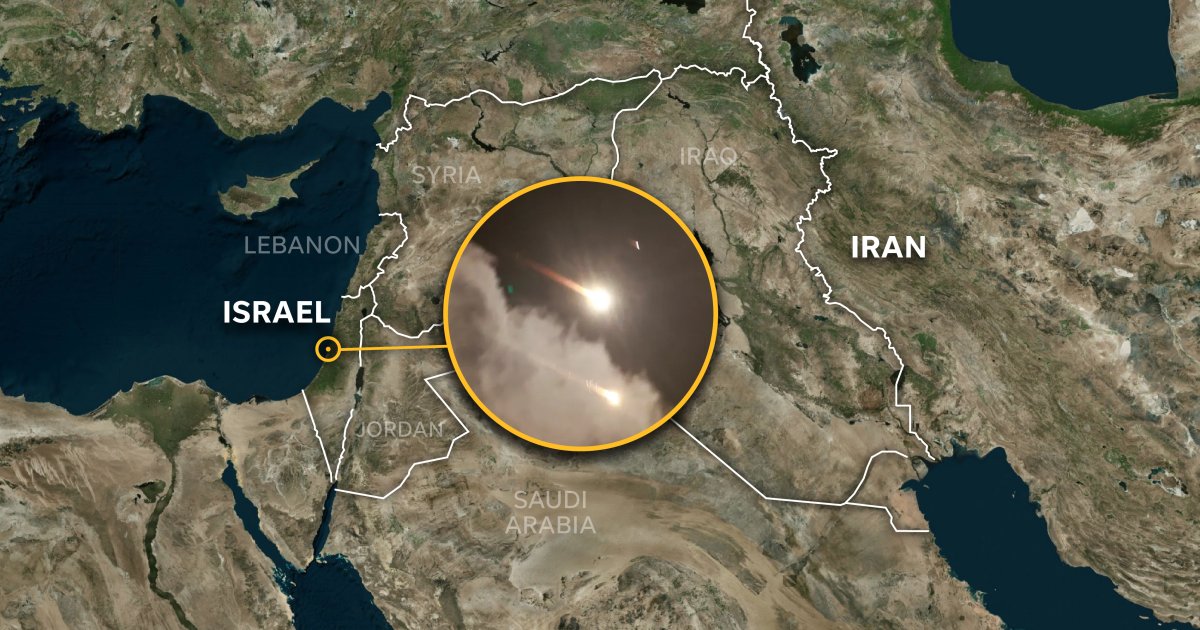
On Saturday, 12 individuals were injured due to an Iranian missile attack targeting the Beit Shemesh area west of Jerusalem. The attack occurred at a sensitive time, as air raid sirens sounded across wide areas of southern and central Israel, including the Negev and Greater Tel Aviv, where loud explosions were heard.
Reports about the attack continue to emerge amidst an Israeli blackout on the results of the Iranian response, raising questions about the nature and objectives of Iranian attacks. These events come at a time of increasing tensions in the Middle East, particularly between Israel and Iran, complicating the security landscape in the region.
Details of the Incident
The missile attack that took place on Saturday is among the rare instances of direct attacks on Israel from Iranian territory. The assault resulted in injuries to 12 individuals, in addition to damage to 10 homes and dozens of vehicles in the area. Israeli authorities confirmed that the attack was carried out using long-range missiles, reflecting Iran's capability to execute complex military operations against Israeli targets.
Simultaneously, air raid sirens continued in multiple areas, indicating that the threat was not confined to a single location but extended across vast regions of the country. This situation raises concerns among the population and reflects a state of security instability in the area.
Background & Context
Historically, relations between Iran and Israel have been marked by significant tensions, with Iran considering Israel a primary enemy in the region. These tensions have escalated in recent years, particularly with the increase of Iranian military activities in Syria and Lebanon, and its support for armed groups that threaten Israel's security.
Missile attacks from Iran are not new, but they remain rare due to the constraints on Iran's military capabilities. This attack comes at a critical time, as Iran seeks to enhance its influence in the region while Israel attempts to maintain its security and stability.
Impact & Consequences
The recent attack could have significant implications for regional security. It is likely to lead to military escalation between Israel and Iran, potentially dragging the region into a broader conflict. Additionally, this attack may alter Israeli defense strategies, as it may be compelled to bolster its defense systems to counter increasing threats.
Moreover, this attack could affect international relations, as major powers may intervene in an attempt to calm the situation. The United States, for example, may tighten its stance towards Iran and increase its support for Israel in the face of Iranian threats.
Regional Significance
These events signal a rise in tensions in the region, which could impact neighboring Arab countries. Many Arab nations are closely monitoring the situation, as any escalation could affect their stability and security.
This attack may also raise concerns about the escalation of military activities in the region, potentially leading to negative repercussions on the economy and security of Arab states. Under these circumstances, Arab countries must enhance their security cooperation to address shared threats.
In conclusion, the situation in the region remains tense, and the international community must work towards finding diplomatic solutions to avoid escalating the conflict between Iran and Israel, which could have catastrophic effects on the entire region.