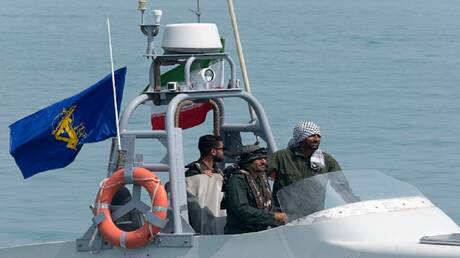
The Iranian Revolutionary Guard has announced that the Strait of Hormuz will remain under Iranian control indefinitely, indicating that there is a voice heard across the strait that signifies the 'end of U.S. presence in the Gulf'. These statements come at a sensitive time when the region is witnessing increasing tensions between Iran and the United States, which raises questions about the future of security and stability in the Gulf.
The Strait of Hormuz is one of the most important waterways in the world, through which approximately 20% of the world's total oil passes. Control over this vital passage means the ability to influence global energy markets, something Iran aims to achieve by asserting its sovereignty over the region. The recent statements also reflect the challenges faced by the United States in maintaining its military presence in the Gulf.
Details of the Event
In statements made by officials from the Revolutionary Guard, it was emphasized that Iran will not allow any foreign powers to interfere in its affairs, and that the Strait of Hormuz will always be under its management. These statements come at a time when U.S. military activities in the region are increasing, including the deployment of warships to bolster its presence. The Revolutionary Guard considers these activities a direct threat to Iranian security, heightening tensions between the two sides.
The Revolutionary Guard also pointed out that there are increasing military movements by U.S. forces in the region, which the Iranians view as provocations. In this context, Iranian officials have called for the need to enhance the country’s defensive capabilities to counter any potential threats.
Background & Context
Historically, the Strait of Hormuz has witnessed numerous crises and tensions, serving as a theater for several military conflicts between Iran and the United States. Since the Islamic Revolution in 1979, relations between the two countries have been strained, leading to escalating conflicts in the region. In recent years, tensions have intensified following the U.S. withdrawal from the Iranian nuclear deal in 2018, which resulted in the imposition of severe economic sanctions on Iran.
Iran views the Strait of Hormuz as a crucial part of its defense strategy, seeking to assert its sovereignty over the region by enhancing its military presence. Conversely, the United States aims to maintain freedom of navigation in this vital passage, increasing the likelihood of collisions between the two parties.
Impact & Consequences
The recent statements from the Revolutionary Guard could lead to an escalation of tensions in the region, increasing the likelihood of military confrontations. If the United States continues to bolster its military presence in the Gulf, Iran may respond with escalatory measures, which could impact oil prices and global markets.
Additionally, these statements may affect relations between Iran and neighboring countries, as some nations may feel concerned about the rising Iranian influence in the region. At the same time, these tensions could lead to increased cooperation among Arab states to address common security challenges.
Regional Significance
The Arabian Gulf region is considered one of the most sensitive areas in the world, experiencing ongoing tensions between regional and international powers. The recent Iranian statements may heighten concerns in Arab countries, especially those with close ties to the United States. These nations may seek to enhance their defensive capabilities to counter any potential threats from Iran.
Simultaneously, these tensions could foster cooperation among Arab states to address security challenges, potentially contributing to the formation of new alliances in the region. It is crucial for Arab nations to remain vigilant regarding developments in the Gulf and to be prepared to address any repercussions that may arise from the escalation between Iran and the United States.