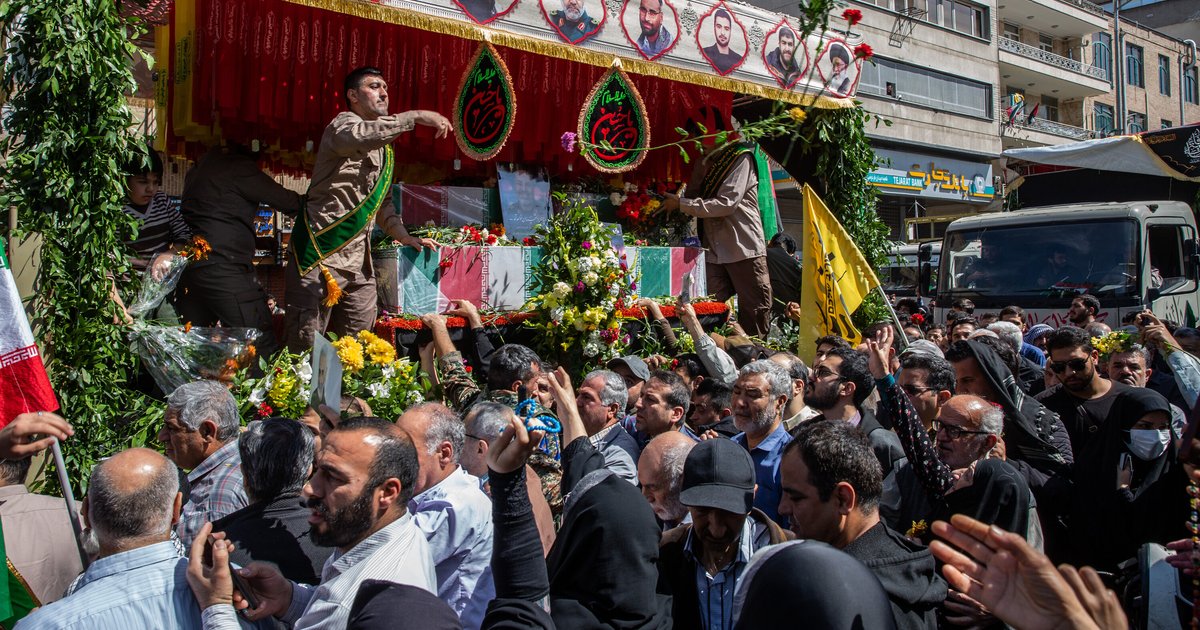
Media sources have reported that the chief of intelligence for the Iranian Revolutionary Guard was killed in an airstrike, marking a significant blow to Iran's intelligence apparatus. The incident took place late at night and is believed to have targeted a sensitive military site in Iran.
This airstrike comes amid increasing tensions in the region, with fears of military escalation between Iran and other countries. The Iranian Revolutionary Guard is considered one of the main military arms of the Iranian regime, known for its role in supporting armed groups in Iraq, Syria, and Lebanon.
Details of the Incident
According to reports, the airstrike targeted a site believed to be a center for planning intelligence operations, resulting in the deaths of several other military officials. The responsible party for the airstrike has not yet been identified, but there is speculation that it could be hostile nations towards Iran.
This incident is one of the bloodiest events in the history of the Revolutionary Guard, as the intelligence chief is a pivotal figure in managing military and intelligence operations. His death has provoked angry reactions from Iranian officials, who view this attack as a sign of weakness in Iran's national security.
Background & Context
Historically, Iran has witnessed numerous military attacks targeting its military leadership, especially amid the ongoing conflict with the United States and its allies. The Iranian Revolutionary Guard is a fundamental part of the Iranian regime, established after the Islamic Revolution in 1979 to protect the system from internal and external threats.
In recent years, pressures on Iran have increased due to economic sanctions and military tensions, leading to a rise in intelligence and military activities. The Revolutionary Guard is considered a key player in expanding Iran's influence in the region, making it a target for many countries.
Impact & Consequences
The killing of the intelligence chief of the Revolutionary Guard may lead to heightened tensions in the region, as Iran is likely to seek revenge through military operations against perceived enemies. This incident could strengthen the position of hardliners within Iran, who advocate for a strong response to any attacks on Iranian sovereignty.
Furthermore, this event may affect Iran's relations with neighboring countries, particularly given the tense situations in Iraq and Syria. This could lead to increased divisions among various factions in the region, threatening regional stability.
Regional Significance
This event is significant for Arab countries, as it highlights the ongoing tensions between Iran and other nations in the region. An escalation of tensions could have negative repercussions for regional security, especially with the presence of Iran-backed armed groups in several Arab countries.
This incident serves as a reminder that conflicts in the region remain unresolved and that there is an urgent need for diplomatic solutions to avoid further escalation. Arab nations must be prepared to face any repercussions that may arise from this event.