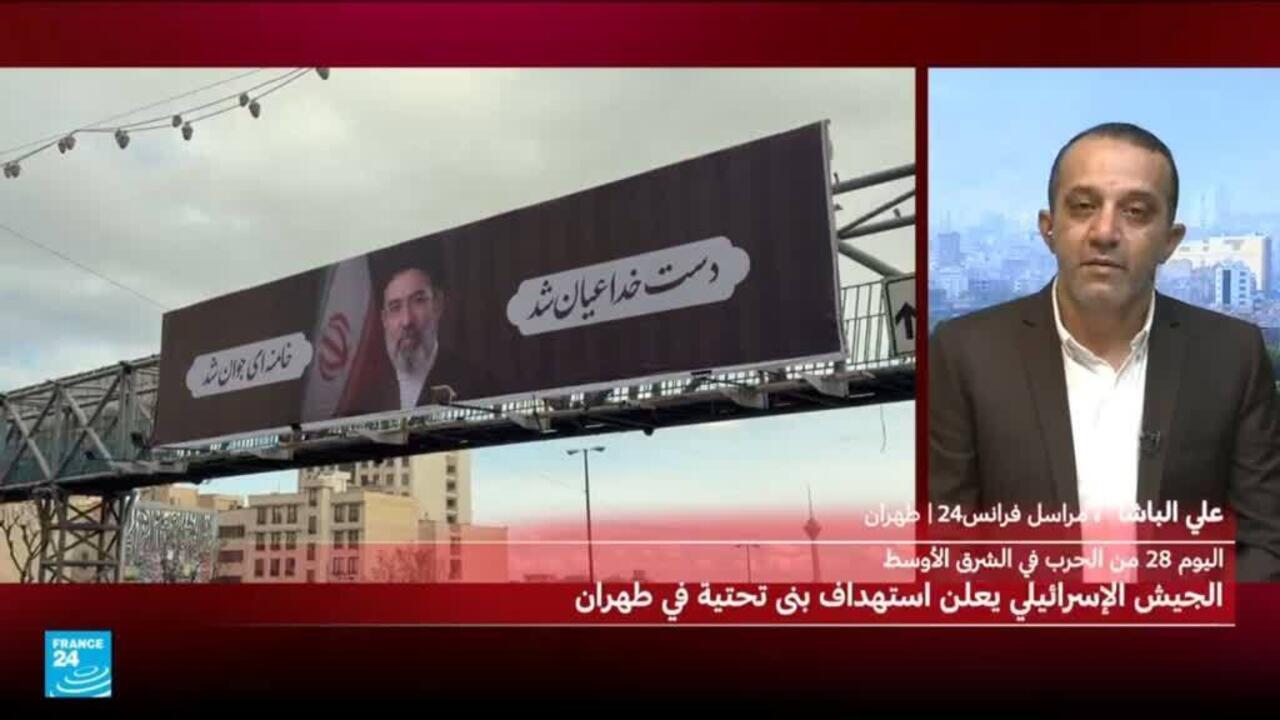
The Iranian Revolutionary Guard has called on civilians in the Middle East to steer clear of areas where U.S. forces are stationed, as the war approaches its first month. The Guard confirmed that it has intercepted three ships attempting to cross the Strait of Hormuz, reiterating that the strait is closed to navigation to and from ports associated with the "enemy," amid the ongoing U.S.-Israeli assault on Tehran.
In this context, the Financial Times reported today, citing informed sources, that the UAE has notified Washington and its Western allies that it is prepared to participate in a multinational naval task force aimed at reopening the Strait of Hormuz.
Details of the Situation
These statements come at a highly sensitive time, as tensions in the region have escalated following an increase in hostilities between Iran on one side and the United States and Israel on the other. The Iranian Revolutionary Guard, which is one of the military arms of the Iranian regime, has expressed its readiness to confront any threats that may arise against its national interests in the region.
The Guard also indicated that any attempt by U.S. forces to breach the Strait of Hormuz would be met with a strong response, reflecting Iran's determination to protect its sovereignty and strategic interests.
Background & Context
The Strait of Hormuz, which is one of the most important maritime passages in the world, sees about 20% of total global oil exports. Historically, this strait has been the scene of numerous military and political tensions, particularly between Iran and Western countries. In recent years, the region has witnessed a rise in tensions, making it a focal point in international politics.
These developments come amid escalating threats from the United States, which seeks to bolster its military presence in the region, further intensifying tensions between Tehran and Washington.
Impact & Consequences
The closure of the Strait of Hormuz to navigation could lead to serious economic repercussions globally, as oil prices may surge significantly due to any disruptions in maritime traffic. Additionally, any military escalation in the region could provoke unexpected reactions from major powers, complicating the situation further.
The UAE, which is keen on enhancing its maritime security, views its participation in a multinational naval force as a strategic move to bolster its presence in the region. This cooperation could help mitigate the risks associated with the closure of the strait and reflects the desire of Arab nations to confront common threats.
Regional Significance
These events signal a rise in tensions in the Arab region, where fears of a military conflict that could impact security and stability in Gulf countries are increasing. Any escalation in military confrontations could have negative repercussions on the Arab economy, especially given the heavy reliance on oil exports.
In conclusion, the situation in the region remains tense, with escalating threats and tensions, necessitating proactive measures from Arab countries to protect their interests and national security.