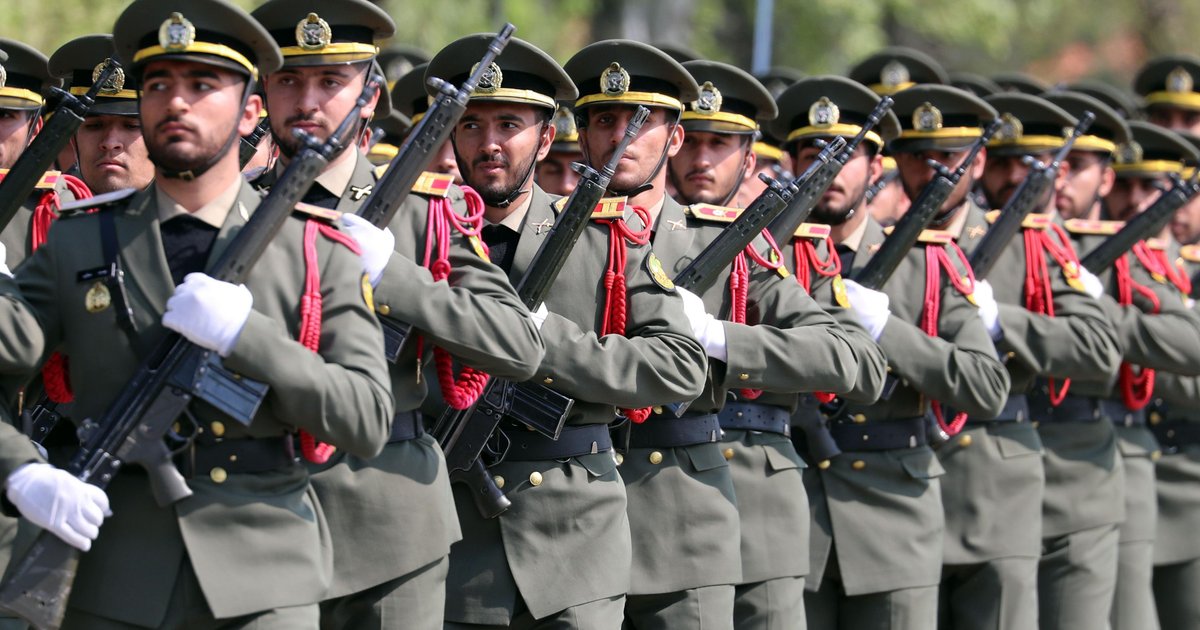
The Yemeni Minister of Information, Moammar Al-Eryani, announced the arrival of leaders and experts from the Iranian Revolutionary Guard in the capital Sana'a, a move that may reflect Tehran's support for the Houthis amid the country's tense political situation. This visit comes at a time when Yemen is suffering from a severe humanitarian crisis and ongoing conflict that has persisted for years.
This step follows a series of Iranian statements affirming its support for the Houthis, with the Revolutionary Guard being one of Tehran's military arms in the region. This visit has raised concerns for the internationally recognized Yemeni government, which views this move as a blatant interference in the country's affairs.
Details of the Event
According to official statements, the leaders and experts arriving in Sana'a aim to enhance the military capabilities of the Houthis, which could lead to an escalation of the conflict in the region. Al-Eryani indicated that this step is part of Iran's ongoing support for the Houthis, further complicating the Yemeni crisis.
The arrival of these experts comes at a critical time, as the Yemeni government seeks to regain control over areas held by the Houthi group, which has managed to seize large parts of the country since 2014.
Background & Context
Since the outbreak of the civil war in Yemen, the country has become a battleground for regional and international powers. The Houthis, supported by Iran, are fighting against the Yemeni government, which is backed by a Saudi-led Arab coalition. This war has led to one of the worst humanitarian crises in the world, with millions suffering from food and medicine shortages.
Historically, the Iranian Revolutionary Guard has played a significant role in supporting armed groups in the region, reflecting Tehran's strategy to expand its influence by backing its allies in regional conflicts. This strategy has raised concerns among many Arab and Western nations.
Impact & Consequences
This move could escalate the conflict in Yemen, as the Yemeni government, supported by the Arab coalition, is expected to increase military pressure on the Houthis. Additionally, this visit may affect the peace efforts being pursued by the United Nations, which face significant challenges in making any progress.
Furthermore, these developments could heighten tensions between Iran and Arab countries, especially in light of the military escalation in the region. There are fears that this step could exacerbate the humanitarian situation in Yemen, where the population is already enduring harsh conditions.
Regional Significance
These developments are indicative of a rising regional conflict, as Iran seeks to bolster its influence in Yemen, which could negatively impact security and stability in neighboring countries. This move may also increase divisions among Arab states, as some countries adopt varying stances towards Iran and the Houthis.
In conclusion, the situation in Yemen remains complex, and the international community needs to intensify its efforts to find a peaceful solution to the crisis. The arrival of leaders and experts from the Iranian Revolutionary Guard in Sana'a could further complicate the landscape, necessitating close monitoring by all concerned parties.