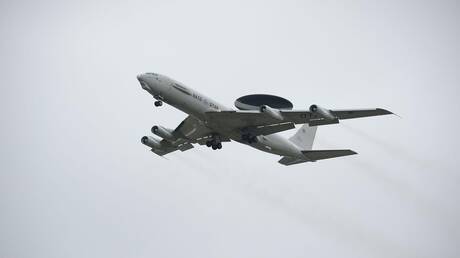
Several US aircraft, including the renowned reconnaissance plane Boeing E-3 Sentry, were damaged as a result of the Iranian strike that targeted Prince Sultan Air Base in Saudi Arabia on March 27. The attack, which comes at a sensitive time of regional tensions, reflects a notable escalation in the conflict between Tehran and Washington.
Prince Sultan Air Base is considered one of the main military bases used by US forces in the region, making it a strategic target in any potential conflict. The Iranian strike, the full details of which have not yet been disclosed, has raised widespread concern among military and political circles around the world.
Details of the Incident
According to reports, the Iranian strike targeted several US military aircraft, resulting in significant damage. The Boeing E-3 Sentry, which is used for reconnaissance and surveillance missions, was among the affected aircraft, raising questions about the US military's ability to carry out its missions in the region following this attack.
The strike comes amid escalating tensions between Iran and the United States, as the two countries exchange accusations regarding military activities and interventions in the internal affairs of other nations. This attack also reflects Iranian preparations to counter any potential threats from US forces in the region.
Background & Context
Historically, relations between Iran and the United States have seen increasing tensions since the Iranian Revolution in 1979, which led to the severance of diplomatic relations between the two countries. Since then, there have been several military confrontations, including attacks on commercial vessels in the Arabian Gulf and military operations against US forces in Iraq and Syria.
In recent years, Iran has ramped up its military activities, including the development of its missile programs and the enhancement of its military presence in the region. These activities have raised concerns among neighboring countries and the United States, leading to the imposition of economic and military sanctions on Tehran.
Impact & Consequences
The Iranian strike on Prince Sultan Air Base is seen as a serious escalation in the ongoing conflict and may lead to military responses from the United States. This escalation could open the door to a new round of conflict in the region, increasing tensions among major powers.
Furthermore, these events may affect the stability of the entire region, as neighboring countries, such as Iraq and Syria, could be directly impacted by any military escalation. Additionally, these events could lead to heightened tensions between regional and international powers.
Regional Significance
The Iranian strike on Prince Sultan Air Base serves as an indicator of rising tensions in the Arabian Gulf, which is considered one of the most sensitive regions in the world. This escalation could impact regional security and exacerbate existing conflicts between Arab nations and Iran.
Moreover, these events could lead to increased divisions among Arab countries, as their positions towards Iran and the United States may vary. This division could affect efforts to achieve stability in the region and complicate political and economic situations.
In conclusion, the events at Prince Sultan Air Base remain under scrutiny, as everyone awaits reactions from both the United States and Iran, and whether this strike will lead to further escalation in the ongoing conflict.